Life After Addiction
How to Choose a Faith-Based Recovery Program: Questions Families Should Ask
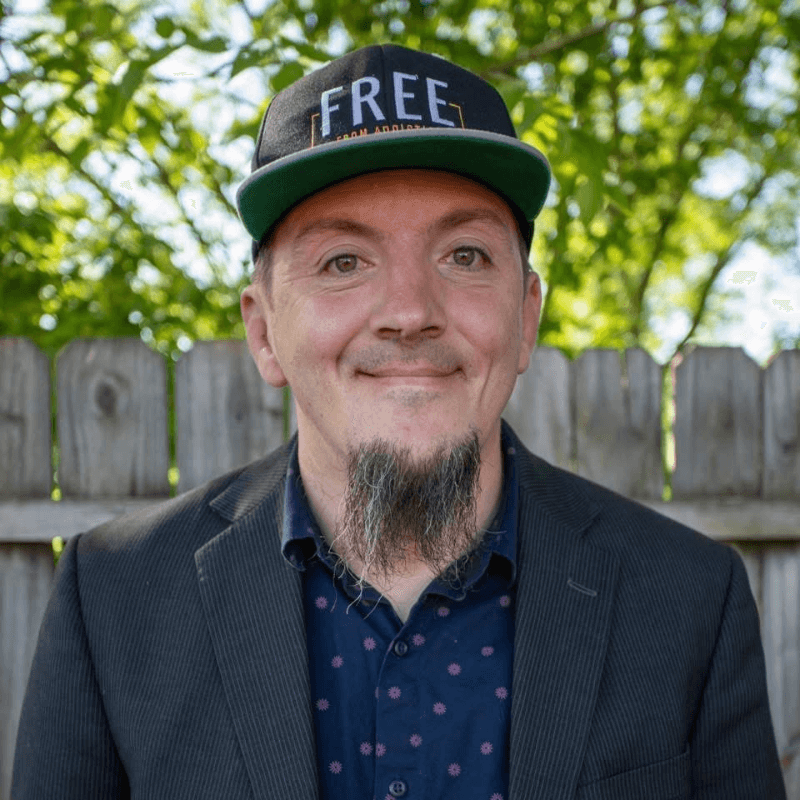
Justin Franich
September 17, 2025 · 7 min read

You're probably reading this at an hour you shouldn't be awake. Maybe you've just finished another impossible conversation with your son or daughter. Maybe you found something in their room that confirmed what you already knew but didn't want to admit. Now you're staring at a screen full of options, and every program promises transformation.
Here's the truth. Not all programs are the same. And the stakes are too high to choose based on a polished website or a desperate timeline.
At SVTC, we've spent a long time helping families navigate this exact moment. We've seen programs that change lives and programs that waste precious time. We've celebrated reunions and sat with families through setbacks. What follows is what we wish every family knew before making this decision.
The Questions That Actually Matter
When you call a program, they'll tell you what they want you to hear. Your job is to ask what they might not volunteer.
How long is the program, and why?
Short-term programs, thirty days, sixty, even ninety, can stabilize someone in crisis. But stabilization isn't transformation. Addiction digs into habits, relationships, and identity. That kind of rebuilding doesn't happen in a month.
Most faith-based residential programs worth considering run nine to twelve months. That's not an arbitrary number. It takes time to detox, time to rebuild physical health, time to deal with the wreckage underneath the addiction, and time to develop the daily rhythms that hold someone up long after the program ends.
When a program promises quick results, ask yourself what they mean by quick.
What does a typical day look like?
Structure matters more than most families realize. Idle time is dangerous in early recovery. The best programs fill the day with purpose: work therapy, Bible study, counseling, physical activity, life skills training, and community responsibility.
Ask for specifics. If they can't walk you through a Tuesday, that's a red flag.
How is faith integrated, and by whom?
"Faith-based" can mean a lot of things. Some programs add a chapel service to an otherwise secular model. Others build everything around discipleship.
You need to know what you're getting. Ask who teaches. Ask what curriculum they use. Ask how residents are discipled beyond group settings. The difference between a program that mentions Jesus and a program that actually makes disciples is the difference between information and a changed life.
What role does family play during and after?
Addiction affects the whole family. Everyone in the orbit of the person struggling has been hurt, and everyone needs to heal. Programs that isolate families for the entire duration may protect the resident from enabling, but they miss the chance to rebuild what was broken.
Look for programs that include family counseling, education about addiction, and clear expectations for reintegration. The goal isn't only to return your loved one sober. It's to return them to a family that knows how to support recovery without sliding back into the old patterns.
What happens after graduation?
This question separates serious programs from the rest. The most dangerous moment in recovery isn't the first week. It's the first week back home, when the structure disappears and old triggers resurface.
Strong programs have aftercare plans: transitional housing options, alumni networks, ongoing accountability, job placement help, and connections to local churches and support groups. If a program's answer to "what's next" is basically "good luck," keep looking.
For more on what families should expect once a loved one is enrolled, what to expect while your loved one is in recoverywalks through it month by month.
Red Flags to Watch For
We've seen families burned by programs that looked great on paper. Here's what should give you pause.
Vague or hidden costs. Faith-based programs often run on donations rather than insurance, which can actually make them more affordable. But some programs layer on fees that aren't disclosed up front. Ask for a complete breakdown before your loved one arrives. The cost of Teen Challenge varies by location, but transparency shouldn't.
No accountability structure. Recovery requires accountability, to staff, to peers, to God. Programs that emphasize freedom and self-direction in early recovery are often setting residents up to fail. Structure isn't punishment. It's protection.
Short duration with no discipleship. A thirty-day detox has its place. But if a program promises deep, lasting change in a month, they're selling something other than reality. Getting clean without being discipled rarely holds. We've watched it not hold too many times.
No aftercare or alumni support. A program that celebrates graduation and moves on has done half the job. The other half is helping residents build a life that sustains what they learned. If there's no plan for what comes next, there's no plan.
Resistance to family involvement. Some distance in early recovery makes sense. But programs that discourage family contact entirely, or that refuse to communicate with parents and spouses, may be hiding something. Trust your instincts.
If someone you love is in addiction and you don't know what to pray anymore, grab our free guide: 5 Prayers for Families Still in the Fight.
If someone you love is in addiction and you don't know what to pray anymore, grab our free guide: 5 Prayers for Families Still in the Fight.
No spam. Unsubscribe anytime.
Faith-Based Options in Virginia
Virginia has several Adult & Teen Challenge centers, each with slightly different focuses and capacities.
Adult & Teen Challenge of Virginia (ATCVA), based in the Fredericksburg area, operates residential programs with a strong emphasis on discipleship, work therapy, and reintegration.
Beauty for Ashes Women and Children's Home, part of ATCVA, serves women, including mothers who need to keep their children with them during recovery, offering a faith-based program in a home environment.
Other regional centers, including Teen Challenge Richmond and Eastern Appalachian Teen Challenge, provide additional options depending on location and specific needs.
Each center operates somewhat independently, with its own staff, culture, and capacity. What works for one family may not fit another. That's why we encourage families to ask questions, visit when possible, and trust the Holy Spirit's leading alongside practical research.
For a fuller picture of Teen Challenge options across the state, see our Teen Challenge Virginia overview, and if you're still sorting out what "faith-based" even covers, our guide to faith-based recovery programs lays out the different kinds.
How SVTC Helps Families Navigate This
Here's where SVTC fits into your search.
Shenandoah Valley Teen Challenge helps families find the right residential program, offers family support and resources, and runs Rebuilding Life Recovery, a 12-month residential program for men in Mount Jackson. We've spent decades inside faith-based recovery, and we put that experience to work for your family.
What that means for you. When you call us, you're not getting a sales pitch. We don't have beds to fill. We have experience to share.
We've walked alongside hundreds of families through this process. We know the programs. We know the questions. We know what works and what doesn't, because we've seen it from the inside.
Our role now is to help families like yours find the right fit. Sometimes that's a Teen Challenge center. Sometimes it's another faith-based program. Sometimes it's a different approach entirely. We're not here to push one solution. We're here to help you find yours.
We also provide ongoing support for families during and after a loved one's program. Because the truth is, your healing matters too. You can't pour from an empty cup, and you can't support recovery if you're drowning yourself. If that's where you are, our family guide is a place to start.
What We Want You to Know
Choosing a program feels like the whole battle. It's not. It's the first step in something long that will ask more from your family than you can picture right now.
But here's the hope we hold onto. We've seen God do impossible things. We've watched families we thought were past repair come back together. We've seen men and women who couldn't string together a clean week walk in freedom for years.
Recovery is possible. Restoration is possible. It takes time, it takes the right environment, and it takes a God who specializes in bringing dead things back to life.
Don't rush this decision. Ask hard questions. Trust your instincts. And know that you don't have to figure it out alone.
If you're a family searching for the right path for your loved one, reach out through get help for a free, no-pressure conversation.
You’re not alone in this
If addiction has someone you love, talk to someone who’s been there.
The conversation is free and confidential. Justin & Rob answer the phone — both in recovery themselves.
One quiet email a week
New articles and podcast episodes when they drop. No pressure, no spam.
Justin Franich
Justin Franich is a former meth addict, Teen Challenge graduate, and pastor who has been clean since 2005. Today he's a husband, father, and Executive Director of Shenandoah Valley Adult Teen Challenge. He hosts the Rebuilding Life After Addiction podcast and helps families across the U.S. navigate faith-based recovery options, compare programs, and rebuild life after addiction.
Read my storyKeep going

Know a family who needs this? Send it to them.
Monthly partners
Articles like this stay free because partners keep them free.
No paywall, no ads — monthly partners cover the writing, the phone line, and the guidance behind every page, so the next family searching at 2 a.m. finds real help.
Become a monthly partner