Christian Recovery Resources
Christian Recovery Meetings & Support Groups
Finding faith-based community for your recovery journey.
“Therefore encourage one another and build each other up, just as in fact you are doing.”
- 1 Thessalonians 5:11
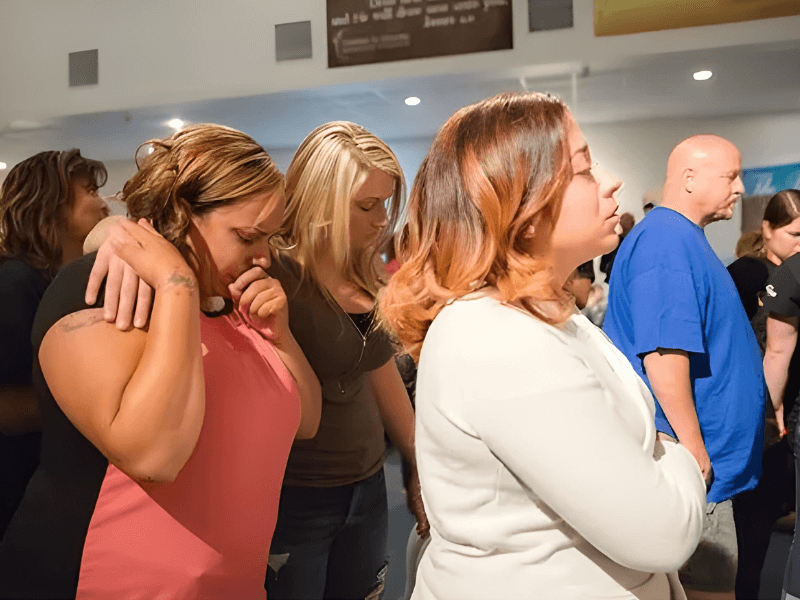
Christian recovery meetings are faith-based support groups where people in recovery gather for accountability, prayer, and community. The most common options include Celebrate Recovery, Recovery Alive, and church-based small groups. Many meet weekly in local churches. Online meetings are also available. The right fit depends on where you are in your journey and the kind of support you need.
Start Here
Recovery doesn't happen in isolation.
Whether you're in early sobriety, years into your journey, or supporting a loved one, finding the right community matters. This page covers the main options for Christian recovery meetings and faith-based support groups, including in-person, online, structured programs, and informal gatherings.
If you're not sure where to start, we can help you think through your options. You can also explore our guides to supporting families and faith-based recovery programs.
Get Help Now →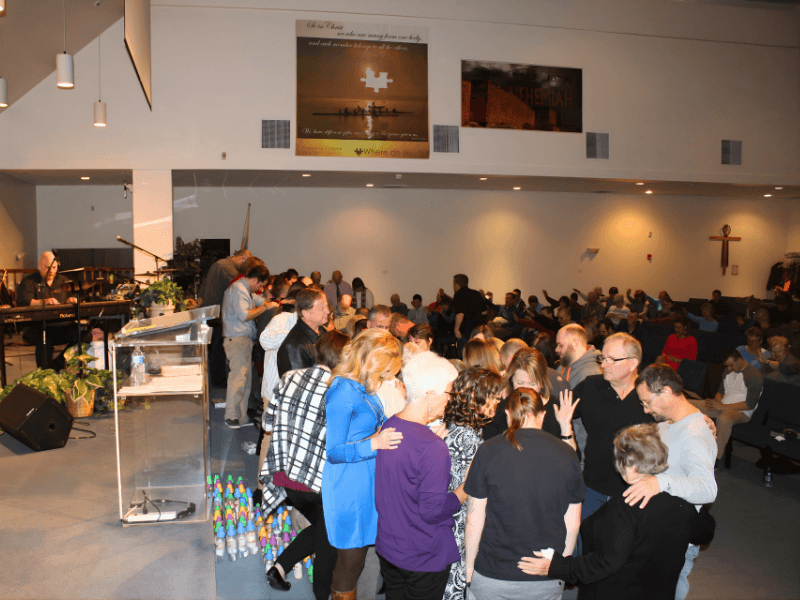
Types of Christian Recovery Meetings
Find the Right Community
Some groups meet weekly in a church classroom. Others meet online every day. The right fit depends on where you are, what you need, and the kind of support you're ready for.
Celebrate Recovery
What it is: The largest Christian recovery program in the world, hosted by local churches. Based on the 12 steps with a biblical foundation. Meetings typically include large group teaching, small gender-specific groups, and fellowship.
Who it's for: Anyone dealing with hurts, habits, or hangups. Not just substance abuse - also covers codependency, anger, food issues, and more.
How to find one: Over 35,000 churches worldwide host Celebrate Recovery. Visit celebraterecovery.com to find a meeting near you.
What to expect: Welcoming environment, structured format, anonymity respected. Most meetings are weekly and free.
Recovery Alive
What it is: A church-based recovery ministry rooted in Christ-centered 12 steps. Offers multiple group formats: Power Groups (teaching), People Groups (gender-specific sharing), and Process Groups (step work). Also runs online meetings, marriage recovery, mental health coaching, sober living homes, and teen/kids programs.
Who it's for: Anyone dealing with addiction, codependency, or other life-controlling issues. Also has specific tracks for marriages in recovery, teens, and kids affected by family addiction.
How to find one: Visit recoveryalive.com to find in-person groups or join their online community. They also provide resources for churches wanting to launch their own Recovery Alive ministry.
What to expect: More comprehensive than a weekly meeting. Includes multiple group types, coaching, sober living, and family-focused ministries. Strong online presence for people without local options.
re:generation
What it is: A church-based recovery ministry that uses a discipleship model to walk people through recovery from addiction and other life-controlling struggles. Built around small groups and one-on-one discipleship rather than only large meetings.
Who it's for: People who want recovery tied closely to discipleship and a local church community.
How to find one: re:generation runs in churches across the country. Search for a host church in your area to find a group.
What to expect: A structured, discipleship-driven format with strong small-group involvement.
Church-Based Recovery Groups
What it is: Many local churches run their own recovery ministries, Bible studies for people in recovery, or support groups. These vary widely in format and focus.
Who it's for: People who want recovery support integrated with a specific church community.
How to find one: Call churches in your area and ask if they have recovery ministry, addiction support groups, or relevant Bible studies. Some list these on their websites.
What to expect: Varies by church. Some are structured programs, others are informal. Ask about format, frequency, and whether it's gender-specific.
Reformers Unanimous
What it is: A faith-based addiction recovery program hosted by independent Baptist churches. Weekly meetings with structured curriculum.
Who it's for: People seeking recovery support in a conservative church environment.
How to find one: Visit reformu.com for meeting locations.
What to expect: Structured curriculum with weekly meetings and discipleship focus.
Online Recovery Communities
What it is: Virtual meetings and communities for people who can't access in-person groups or prefer online connection.
Who it's for: People in rural areas, those with mobility limitations, or anyone who prefers starting online before attending in person.
How to find one: Options include Celebrate Recovery online meetings, Recovery Alive online groups, Facebook groups for Christian recovery, church livestream recovery services, and recovery-focused Discord servers.
What to expect: Varies widely. Some are structured meetings, others are informal community. Anonymity easier to maintain online.
Find a Meeting Near You
Looking for Faith-Based Recovery Meetings Near You?
If you've been searching “faith-based recovery meetings near me” or “christian recovery groups near me,” here's the honest answer. The biggest networks, Celebrate Recovery and Recovery Alive, both have searchable directories on their own sites, and that's the fastest way to find a meeting close to you. Start there.
But a directory won't tell you whether a group is healthy, or whether it fits where you are right now. A meeting two towns over that actually points people to Jesus is worth more than a closer one that just manages behavior. Don't let distance alone decide it.
If you're in the Shenandoah Valley, Harrisonburg, Winchester, Front Royal, Woodstock, Staunton, or Waynesboro, and you're not sure what's near you or whether it's a good fit, call or text us at 540-213-0571. We'll help you sort through what's actually within reach. We don't run the meetings, so we've got no reason to steer you anywhere but the right place.
What to Look For
Healthy Groups Share These Qualities
Safety and confidentiality
What's shared in the group stays in the group. If a group doesn't take confidentiality seriously, find another one.
Gender-specific options
Many people do better in men-only or women-only groups, especially when discussing sensitive issues. Mixed groups work for some, not for all.
Gospel-centered, not shame-centered
Good Christian recovery points to grace, forgiveness, and identity in Christ. If a group makes you feel worse about yourself without pointing to hope, it's not helping.
Accountability without legalism
Structure and accountability matter. But if the group is more about rule-following than heart change, it's missing the point.
Consistency
Recovery needs rhythm. Groups that meet regularly and reliably provide stability that sporadic gatherings can't.
Meetings vs. Programs
Recovery Meetings vs. Recovery Programs
Meetings and groups
Meetings provide ongoing community and support. They're typically weekly, free, and open to anyone. Think maintenance and encouragement for the journey.
SVTC's own program
Some people need more than a weekly meeting. Rebuilding Life Recovery is SVTC's own 12-month, Christ-centered residential program for men, right here in Mount Jackson, with daily structure, accountability, real work, and Christian community.
Learn about the 12-month program →Residential programs
Residential programs like Teen Challenge provide intensive, long-term transformation. They're immersive, structured, and address deep-rooted issues over 12-18 months.
Most people need both at different stages:
- A program to build the foundation
- Ongoing community to maintain it
If you're exploring whether someone needs a program or just meetings, we can help you assess the situation. Learn more about what Teen Challenge is or review our guide on What Is Teen Challenge?.
Can't Find a Group Near You?
You Still Have Options
Start one.
Celebrate Recovery and Recovery Alive both provide resources for launching a group at your church. It's more accessible than you might think.
Go online.
Virtual meetings are better than no meetings. Recovery Alive has a strong online community. Start there while you look for or build in-person community.
Find a church first.
Even without a formal recovery ministry, a healthy church community provides accountability, teaching, and relationships. That matters.
Connect with us.
We help families and individuals navigate recovery options. If you're stuck, reach out.
Call or Text 540-213-0571
How SVTC Can Help
We'll help you find the right next step.
Shenandoah Valley Teen Challenge has been walking with families since 2000. We don't run recovery meetings, but we help people find the right resources for their situation.
Whether you need help finding a local group, evaluating program options, or just want to talk through where you are, we're here. No cost. No pressure. Just real help from people who've been there.
And when a weekly meeting isn't enough, our own Rebuilding Life Recovery program provides 12 months of daily accountability, real work, and Christian community in Mount Jackson.
And if you need words for the nights when all you can do is pray, we wrote prayers for families walking this road.
Call or Text 540-213-0571
Need a full program assessment?
Explore our resources on faith-based recovery programs and learn how to decide between outpatient support and residential care.
What Is Teen Challenge? →FAQ
Christian Recovery Meetings FAQs
A Christian recovery meeting is a gathering where people in recovery from addiction or other life-controlling issues meet for support, accountability, and spiritual encouragement. Most are based on biblical principles and include prayer, Scripture, and sharing.
Celebrate Recovery is a Christ-centered 12-step program hosted by churches worldwide. It addresses "hurts, habits, and hangups" including addiction, codependency, and other issues. It's the largest Christian recovery program in the world.
Recovery Alive is a church-based recovery ministry offering multiple group formats, online meetings, marriage recovery, sober living homes, and programs for teens and kids. It's rooted in Christ-centered 12 steps with a comprehensive approach to recovery.
Most are free. Some may take a voluntary offering. Residential programs have costs, but weekly meetings are typically no charge.
AA is based on a “higher power” concept that's spiritually general. Celebrate Recovery is explicitly Christian, based on biblical principles with Jesus as the higher power. CR also addresses issues beyond alcohol. For a full side-by-side comparison, see our guide on Celebrate Recovery vs AA.
Yes. Many meetings welcome family members, and programs like Celebrate Recovery and Recovery Alive address codependency and other issues, not just substance abuse.
That's normal. Most groups are welcoming to newcomers. You don't have to share anything you're not ready to share. Many people attend several times before opening up.
Start with celebraterecovery.com or recoveryalive.com for the largest directories. You can also call local churches and ask about recovery ministries. If you're in Virginia, contact us and we'll help you find options.
It can be, especially as a supplement to in-person connection or for people without local options. It's not a complete replacement for face-to-face community, but it's better than isolation.
Most likely, yes. Celebrate Recovery alone runs in tens of thousands of churches, and Recovery Alive, re:generation, and independent church recovery groups add many more. The fastest way to find one is the directories at celebraterecovery.com and recoveryalive.com. If you're in Virginia, call or text us at 540-213-0571 and we'll help you find what's near you.
A meeting is ongoing, usually weekly, free, and open to anyone. It's for support and accountability over the long haul. A program is immersive and longer-term, often residential, and built to rebuild a life from the ground up. Many people need a program first and meetings after.
Yes. Many faith-based meetings welcome family members, and some are built specifically for them. If your focus is supporting a loved one rather than your own recovery, our Concerned Persons Group and our family resources may fit better.
Ready to Take the Next Step?
Connect with a caring team ready to listen, guide, and pray with you.
Justin Franich
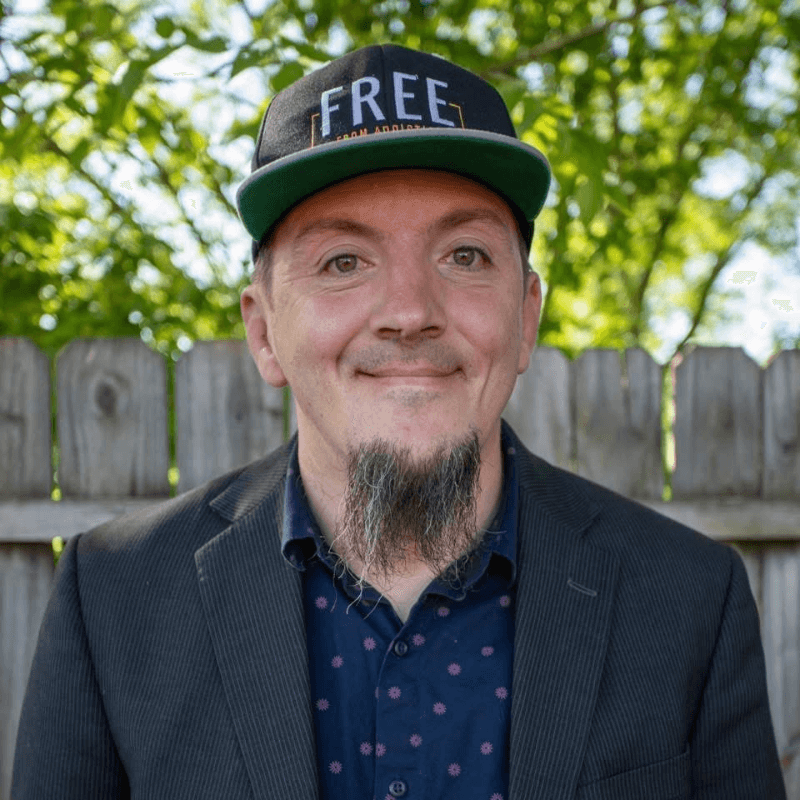
Justin Franich is a former meth addict, Teen Challenge graduate, and pastor who has been clean since 2005. Today he's a husband, father, and Executive Director of Shenandoah Valley Adult Teen Challenge. He hosts the Rebuilding Life After Addiction podcast and helps families across the U.S. navigate faith-based recovery options, compare programs, and rebuild life after addiction.
Read my story →Resources
Helpful Resources

The Cross and the Switchblade - David Wilkerson
The book that started it all. The story of how Teen Challenge was born on the streets of New York.
View on Amazon
Run Baby Run - Nicky Cruz
The most famous transformation story to come out of Teen Challenge. A New York gang leader's journey from violence to faith.
View on Amazon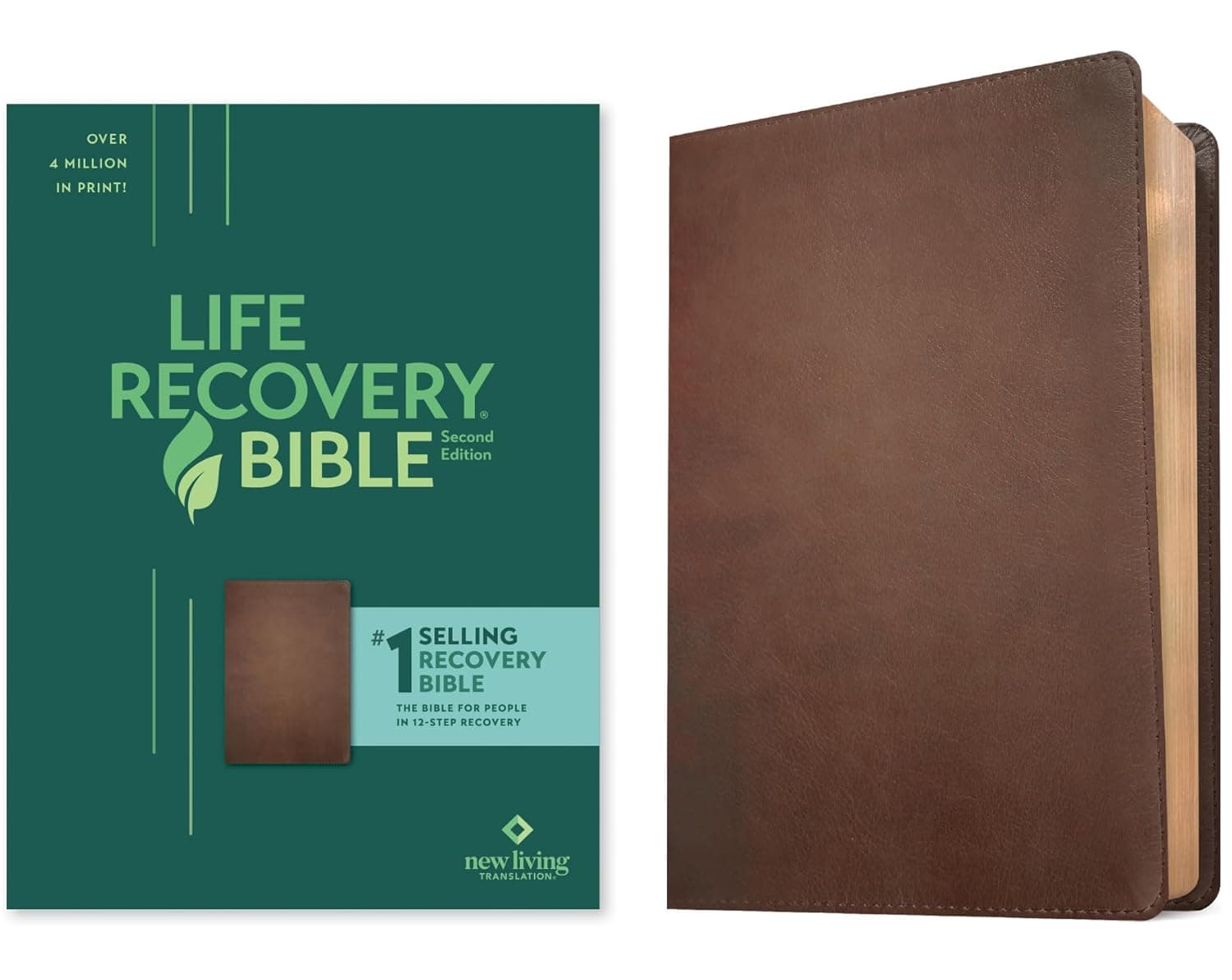
The Recovery Bible
A Bible built for the journey, with notes and devotions specifically for people walking through addiction and restoration.
View on Amazon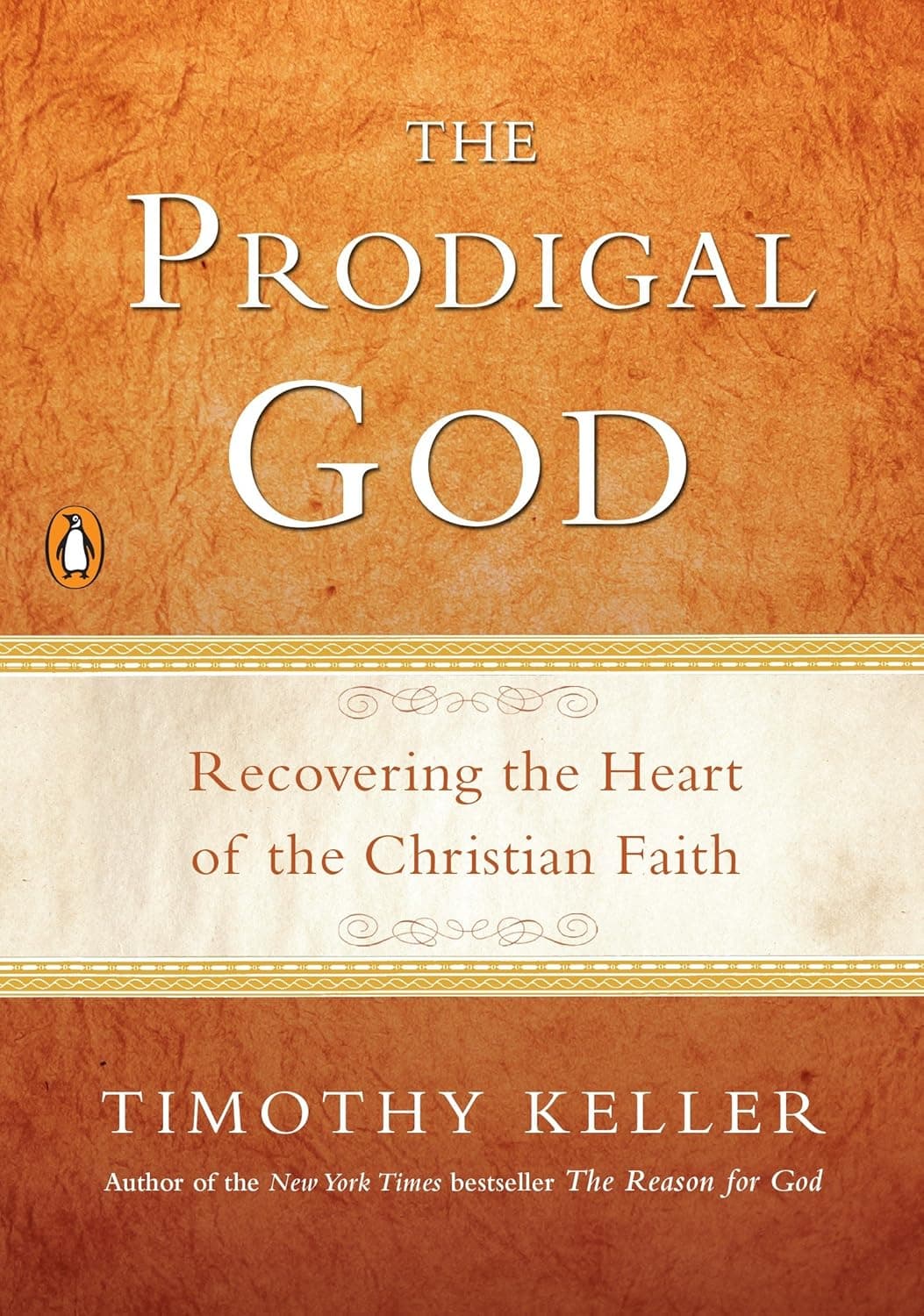
Prodigal God - Timothy Keller
The best book ever written on the parable of the prodigal son. Keller unpacks both sons and why the "good" one might be further from home.
View on Amazon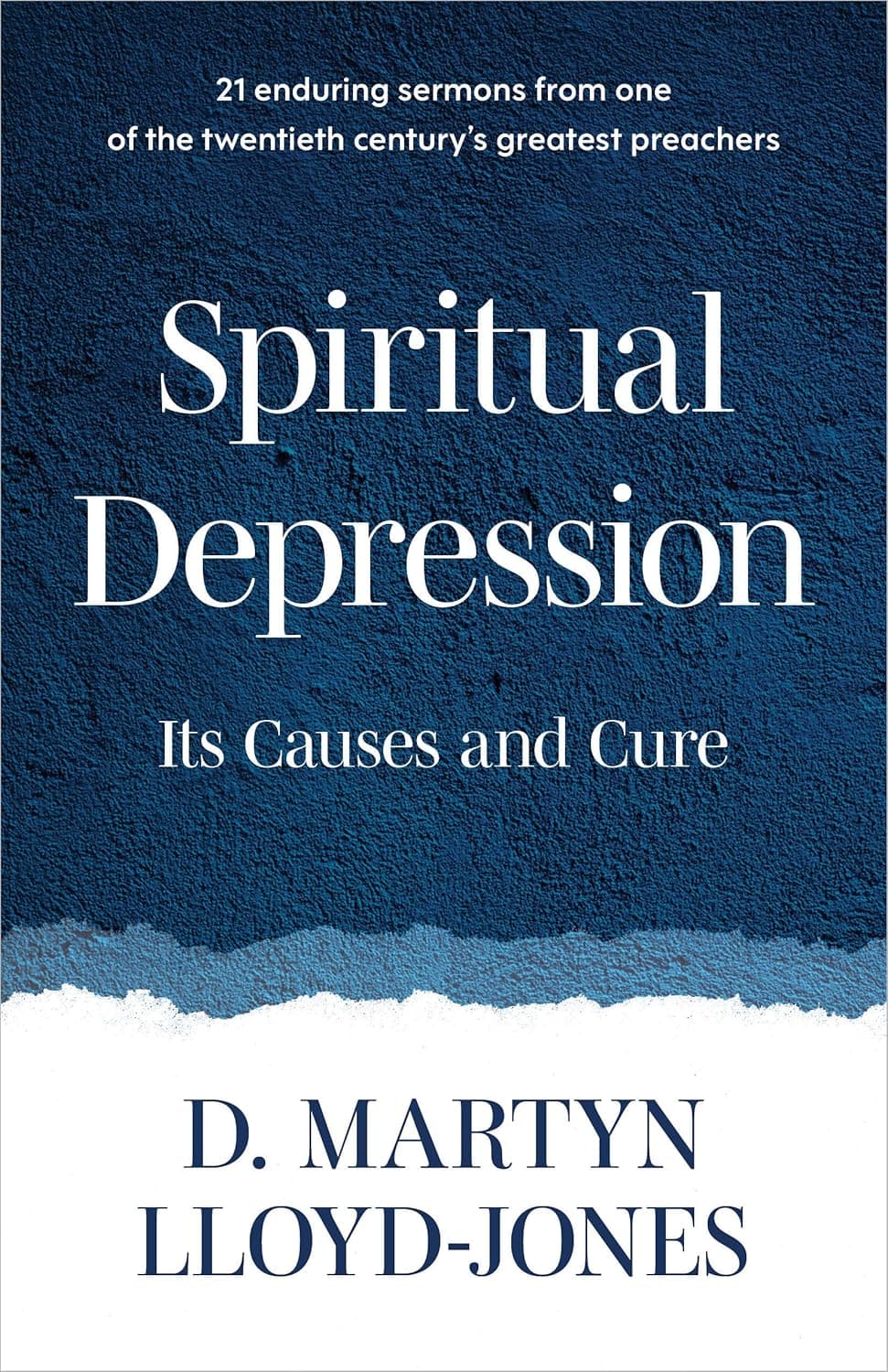
Spiritual Depression - Martyn Lloyd-Jones
The classic book on faith and depression. Lloyd-Jones addresses the root causes of spiritual darkness with honesty and biblical depth.
View on Amazon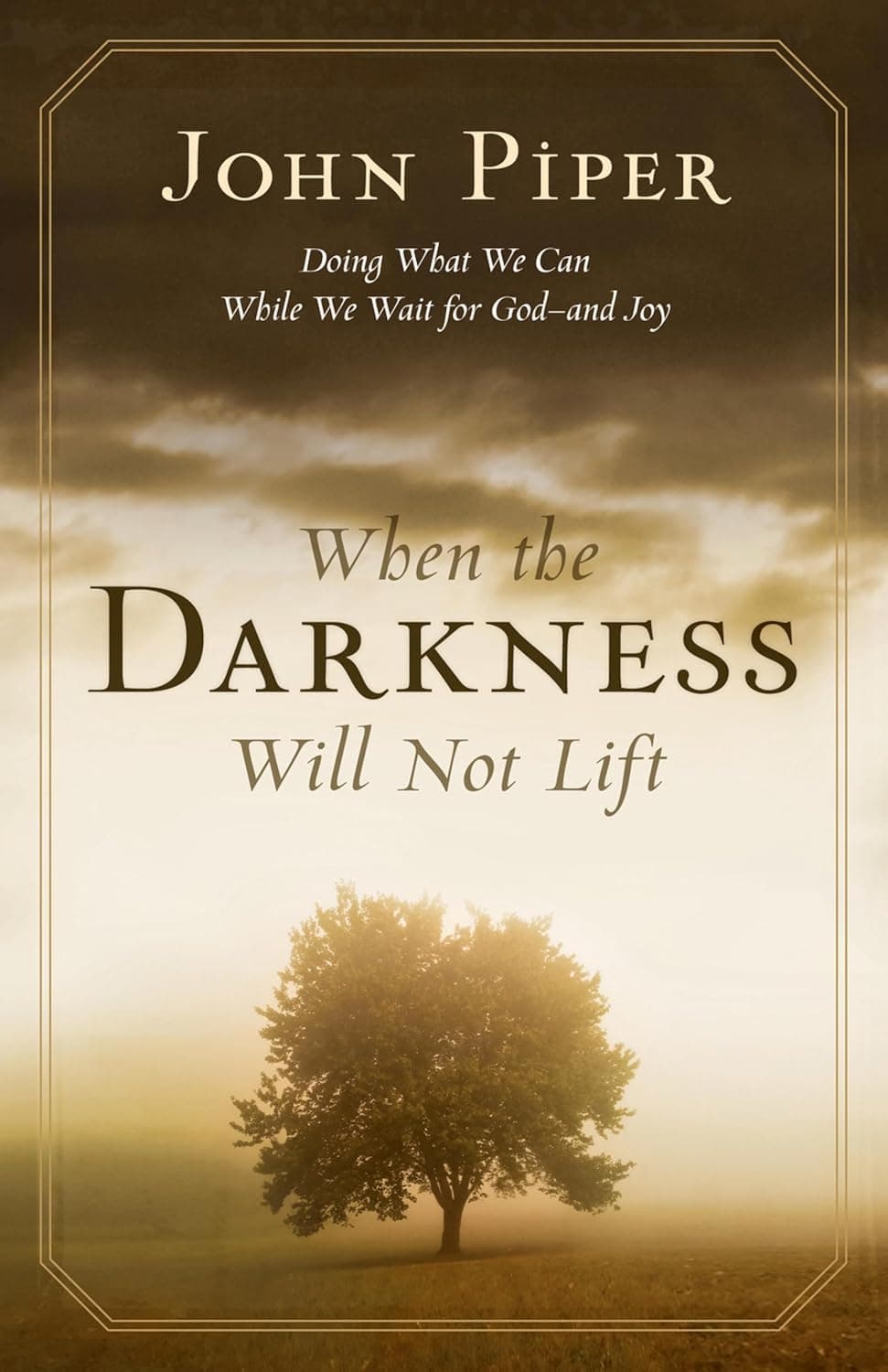
When the Darkness Will Not Lift - John Piper
Short, honest, and pastoral. Piper writes for the person who is doing everything right and still can't find the light.
View on Amazon
Boundaries - Cloud & Townsend
The definitive Christian guide to healthy relationships. Essential reading for any family navigating someone else's addiction.
View on Amazon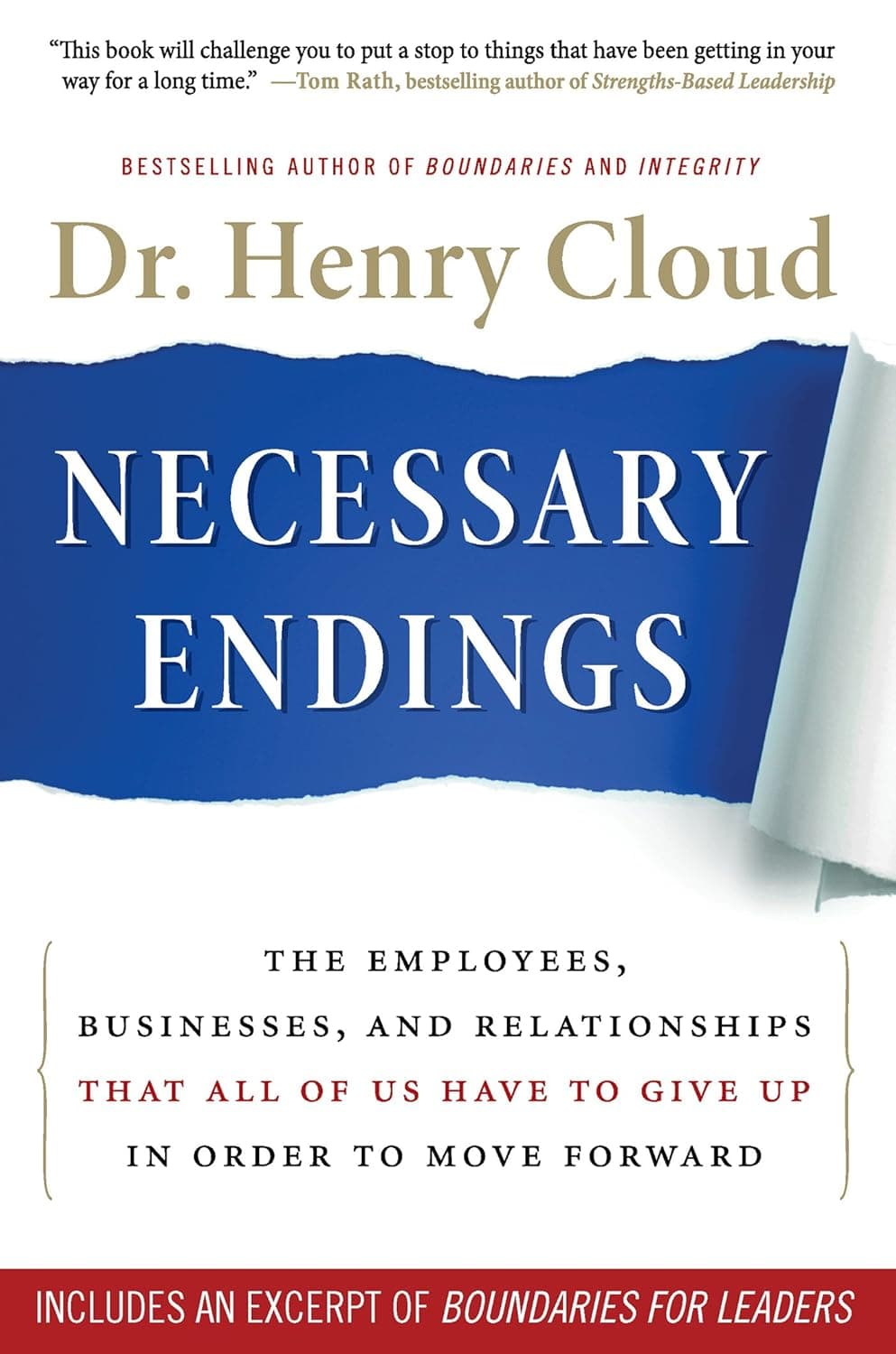
Necessary Endings - Henry Cloud
When love means letting go. A guide for families who have done everything right and still watch someone they love spiral.
View on Amazon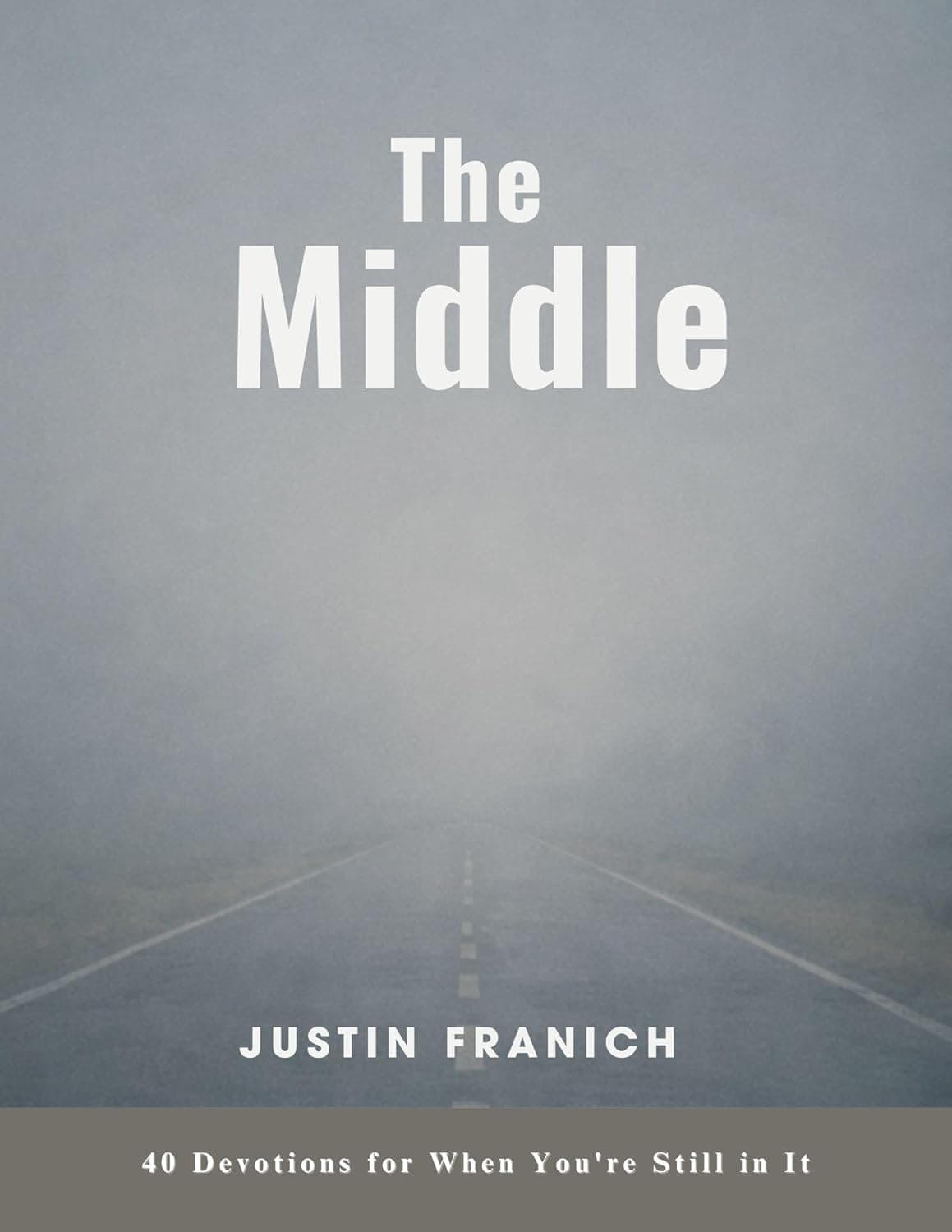
The Middle - Justin Franich
40 devotions for when you're still in it. Written from the middle of real pain, not from the other side looking back.
View on AmazonThese are resources we genuinely recommend. If you purchase through our links, a small commission supports this ministry at no extra cost to you.