
Find a Program
Teen Challenge in Virginia: Every Program, What It Costs, and How to Get In
At Shenandoah Valley Teen Challenge, we help families navigate faith-based recovery programs for men and women across Virginia and find the right fit.
Men’s & Women’s Programs · 12-18 Months · Donor-Supported · Free Referral Help
Teen Challenge Virginia offers faith-based residential recovery programs for men and women through several independent centers across the state. Programs run 12 to 18 months and are heavily donor-supported, making them significantly more affordable than clinical rehab. Shenandoah Valley Teen Challenge provides free referral services to help families find the right program and navigate the admissions process.
Quick Answer
If you're looking for Teen Challenge in Virginia, there are men's and women's programs operating in Fredericksburg, Richmond, the Shenandoah Valley, and surrounding regions. Most programs are low-cost or free. Shenandoah Valley Teen Challenge can help you find the right fit. Call (540) 213-0571 or visit our Get Help page.
Directory
Teen Challenge Programs in Virginia
Faith-based recovery programs across Virginia. Click a pin to see program details.
Adult & Teen Challenge Virginia (ATCVA)
Fredericksburg, VA
Operates Beauty for Ashes Women and Children's Home, ATCVA Women's Home, and Ready Now Recovery. Serves both men and women in separate facilities.
Website: atcva.org
Teen Challenge Richmond
Richmond / Midlothian, VA
Referral and support ministry serving the Richmond metro area. Can help connect families with residential programs across Virginia and neighboring states.
Shenandoah Valley Teen Challenge (SVTC)
Mount Jackson, VA
Referral and family support ministry helping families find the right program placement. Learn more about SVTC. Also provides post-program community and discipleship support for graduates.
Website: svtc.info
Eastern Appalachian Teen Challenge
Appalachian Virginia
Serves teenage girls specifically in the Appalachian region of Virginia.
Website: teenchallenge4u.com
If Virginia programs don't have immediate openings, consider programs in Maryland, West Virginia, or Pennsylvania. The right fit matters more than geography. Use our Teen Challenge Locations page to search the national network.
Men's Programs
Teen Challenge for Men in Virginia
Men's Teen Challenge programs in Virginia serve adults 18 and older in separate residential facilities. The program runs 12 months of structured living: Bible study, work therapy, accountability groups, and Christ-centered discipleship.
Most men come in dealing with opioid or alcohol addiction, criminal justice involvement, broken family relationships, or some combination of all of it. Many have been through clinical rehab before and need something longer. Something that addresses not just the substance, but the identity underneath it.
The environment is designed to remove triggers. No phones initially. No access to old patterns. Structured days from morning to night. Work therapy teaches responsibility and builds confidence. Chapel and Bible study address the spiritual root. Brotherhood and accountability do the rest.
I know because I lived it. I was the son who disappeared into meth addiction at 15. Teen Challenge gave me a foundation to build on. That's why we do what we do today.
Learn more: What is Teen Challenge? · Program costs · Success rate research
Ready to find a men's program? Call (540) 213-0571 or visit our Get Help page.
Women's Programs
Teen Challenge for Women in Virginia
Women's Teen Challenge programs in Virginia serve adults 18 and older in separate facilities from men's programs. Some programs accept mothers with children, though availability and age limits vary by location. Ask the specific center.
ATCVA operates Beauty for Ashes Women and Children's Home in Fredericksburg, one of the few Virginia programs designed for mothers in recovery who need to keep their children with them.
We launched a Teen Challenge women's home in 2013 in our own basement. Within a few years it grew to nearly 30 residents. We saw real transformation. That experience shapes how we help families navigate women's programs today.
What women typically face coming in: trauma, abuse history, motherhood separation, shame, emotional dependency. The substances are often a symptom of deeper wounds. That's why long-term discipleship matters. It takes time to address what years of pain have built up.
Community is the glue. Women in these programs rally around each other. They share meals, study Scripture together, hold each other accountable, and become the support system many never had.
Learn more: What is Teen Challenge? · Program costs · Success rate research
Looking for a women's program? Call (540) 213-0571 or visit our Get Help page.
Free Guide
5 Prayers for Families Still in the Fight
If someone you love is in addiction and you don't know what to pray anymore, start here. Drop your email and we'll send you the free one-page guide.
I'll also send occasional encouragement and resources. You can unsubscribe anytime.
Beyond Teen Challenge
Other Faith-Based Recovery Programs in Virginia
Teen Challenge is not the only faith-based option. Several other ministries in Virginia offer long-term residential recovery grounded in Christian discipleship. If Teen Challenge doesn't have openings or isn't the right fit, one of these may be.
Faith Recovery
Hampton Roads, VA
Licensed clinical program with separate tracks for men and women. Combines faith-based discipleship with licensed counseling services. One of the few programs in Virginia offering both clinical and spiritual care under one roof.
Website: faithrecoveryhope.org
Eagles Nest Regeneration Ministries
Lynchburg, VA
Long-term residential recovery for men and women. Structured around Bible study, work therapy, and accountability. Programs run 12 months or more with a focus on spiritual transformation and life skills development.
Website: enrm.org
The Fix Ministry
New Kent, VA
Faith-based recovery programs for both men and women. Focuses on Christ-centered transformation through residential community, discipleship, and structured daily living.
Website: thefixministry.org
Hope Center Ministries
Covington, VA
Men's 12-month residential program rooted in biblical principles. Structured around daily devotions, work therapy, and community accountability. Part of a multi-state network of Hope Center locations.
Website: hopecm.com
Know of another program? If you run or know of a faith-based recovery ministry in Virginia that should be listed, contact us.
Not sure which program is the right fit? Call (540) 213-0571. We help families compare programs and find the best placement at no cost. You can also browse our national program directory for options beyond Virginia.
Admissions
How to Get Into Teen Challenge
Call or Submit an Intake Request
Contact the program directly or call us and we'll connect you with the right center.
Phone Interview
The center assesses fit and readiness. They'll ask about substance history, medical needs, legal situation, and willingness to participate.
Approval & Packing List
Once approved, you'll receive a packing list and arrival instructions. Most programs can move quickly once a spot opens.
Arrival & Orientation
The resident arrives, gets settled in, and begins the program. The first phase focuses on adjustment, detox support, and building trust.
Need detox first?Some families start with detox and then move to Teen Challenge. If that's part of the picture, reach out to us and we'll help you figure out the right first step.
Not sure which program is right? That's what we do. Teen Challenge operates over 200 centers across the country, and every program is different. They vary in size, structure, focus, and the populations they serve. We help families sort through the options and find the right placement. There's no cost for our help. Call (540) 213-0571.
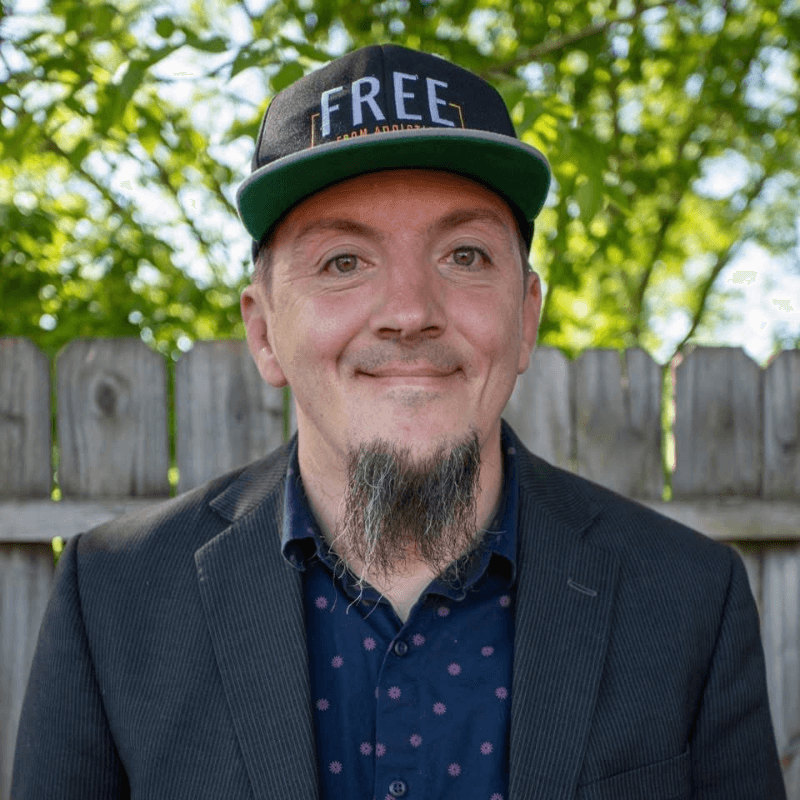
Justin Franich
Justin Franich is a former meth addict, Teen Challenge graduate, and pastor who has been clean since 2005. Today he's a husband, father, and Executive Director of Shenandoah Valley Adult Teen Challenge. He hosts the Rebuilding Life After Addiction podcast and helps families across the U.S. navigate faith-based recovery options, compare programs, and rebuild life after addiction.
Read my story →FAQ
Frequently asked questions
Is there a Teen Challenge in Virginia?
+
Yes. Virginia has several Teen Challenge programs including Adult & Teen Challenge Virginia (ATCVA) in Fredericksburg, Teen Challenge Richmond, Eastern Appalachian Teen Challenge, and Shenandoah Valley Teen Challenge (SVTC) in Mount Jackson.
How much does Teen Challenge in Virginia cost?
+
Most Virginia programs cost between $0 and $500 per month. Centers are donor-supported and significantly more affordable than clinical rehab. Full cost breakdown at svtc.info/teen-challenge-cost.
Does Teen Challenge Virginia accept women?
+
Yes. ATCVA operates women's programs in the Fredericksburg area, including Beauty for Ashes Women and Children's Home. Women's programs are always in separate facilities from men's programs.
Does Teen Challenge Virginia accept men?
+
Yes. There are men's residential programs in the Fredericksburg area through ATCVA. Other Virginia ministries like Teen Challenge Richmond and SVTC provide referral services to help connect men with the right program. Call (540) 213-0571 for help.
Is Teen Challenge only for teenagers?
+
No. Despite the name, most residents today are adults. The 'Teen' in the name is historical. Programs serve adults 18 and older, with no strict upper age limit.
How long is the program?
+
Most Teen Challenge programs in Virginia run 12 to 18 months. This is intentionally longer than clinical rehab to allow time for deep, lasting transformation.
How do I get someone into Teen Challenge?
+
Call (540) 213-0571. We'll help you assess which program is the best fit, walk you through the intake process, and connect you directly with the right center.
Does Teen Challenge Virginia have a waitlist?
+
It depends on the specific center and time of year. Some programs have immediate openings, others have short waits. If one program is full, we can help you find alternatives in Virginia or neighboring states.
Can mothers bring children to Teen Challenge?
+
Some programs accept mothers with children. ATCVA's Beauty for Ashes Women and Children's Home in Fredericksburg is one option. Availability and age limits vary, so call to ask about the specific program.
How SVTC Can Help
We don't operate a clinical rehab or residential Teen Challenge center. We help families find the right program.
Teen Challenge operates over 200 centers across the country, and every program is different. They vary in size, structure, focus, and the populations they serve. Finding the right fit matters. We help families sort through the options, ask the right questions, and connect with a program that matches their situation.
There's no cost for our help. Call, tell us what's going on, and we'll walk through it with you. Learn more about Shenandoah Valley Teen Challenge.
Call or Text 540-213-0571
This page came out of real ministry, not internet theory. We take the calls, help families think clearly, and point people toward Christ-centered programs that can actually walk with them. If that matters to you, help us keep doing it for the next family.