

Family Resource
Teen Challenge vs Rehab
This is what I'd tell you if you were sitting across from me at a kitchen table and I had nothing to gain from your decision.
Teen Challenge is a 12 to 18 month faith-based discipleship program. Clinical rehab is a 28 to 90 day medically supervised treatment program. If someone needs medical detox, they get medical detox first. That part is not negotiable and never has been. I'm not going to put your son's life at risk to prove a point. But if you're asking me whether a month of therapy can do what a year of walking with Jesus in a structured community does, I don't think it can.
I'm a Teen Challenge graduate. I ran a Teen Challenge center for years. I've watched this program change hundreds of lives, including mine. I'm not neutral, and I'm not going to pretend to be. But I am going to be honest about what TC can and cannot do, because your family deserves that more than they deserve a sales pitch.
Two Models
The Real Difference Between Teen Challenge and Rehab
Clinical rehab is built on a medical model. You get medical detox, psychiatric evaluation, individual and group therapy, coping skills training, and discharge planning. Insurance often covers part or all of it. Licensed clinicians run the program. The goal is stabilization: get the person physically safe, address immediate mental health needs, and give them tools to manage cravings. Most programs run 28 to 30 days. Some run up to 90.
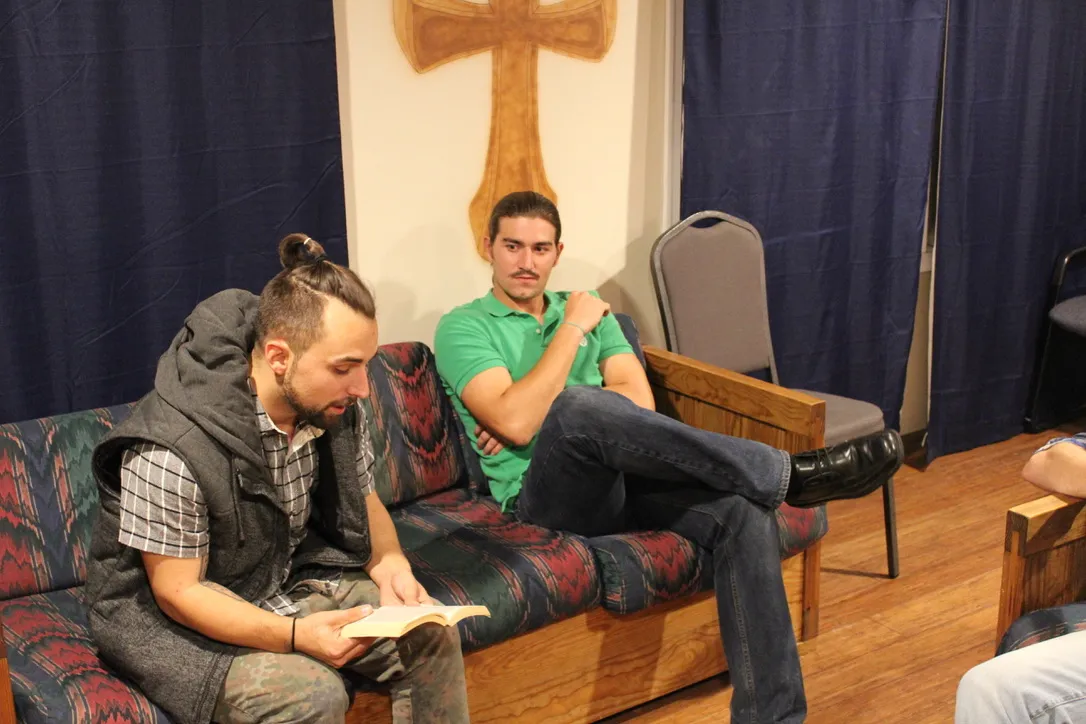
Teen Challenge is built on a discipleship model. You get structured living, daily Bible study, chapel, work therapy, life skills training, and Christ-centered community for 12 to 18 months. Insurance doesn't cover it at most centers because it's not a licensed clinical facility. The cost is dramatically lower because the model runs on donations, thrift store revenue, and resident work contributions. The goal is not just stabilization. The goal is transformation: rebuilding identity, purpose, and relationship with God.
“One model treats the crisis. The other rebuilds the person. That distinction matters more than anything else on this page.”
Duration
Why Program Length Is the Most Important Factor Nobody Talks About
The 30-day rehab model was not designed around what addiction recovery actually requires. It was designed around insurance billing cycles and medical stabilization timelines.
Peer-reviewed studies and NIDA-based data consistently show that 40 to 60% of people relapse after addiction treatment, and some analyses report that more than 80% return to use within a year when there's no long-term support. Short-term residential programs often see 40 to 75% relapse in the first six months. Those aren't Teen Challenge talking points. They come straight out of clinical addiction research.
By contrast, research on longer residential stays finds that remaining in treatment at least 90 days is linked to significantly better outcomes. Studies on planned treatment duration and continuing care reinforce the same finding: the longer someone stays in a structured recovery environment, the better their long-term prognosis.
TC's 12 to 18 month residential model isn't a spiritual preference. It's structurally built to address the single biggest documented failure in standard addiction treatment: not enough time. A month is enough to detox and learn coping strategies. It is rarely enough to become a different person.
Research
What the Outcomes Data Actually Shows
No head-to-head study has directly compared Teen Challenge outcomes to clinical rehab outcomes. But here's what the research on TC graduates shows:
NIDA-funded urinalysis study (1975)
67% drug-free at 7-year follow-up, verified by urinalysis
University of Tennessee (1994)
67% abstaining; 80% credited a personal relationship with Christ as the primary factor
Northwestern University / Bicknese (1999)
86% self-reported drug-free; 90% employed at 3-year follow-up
ATC USA National Outcomes Study (2019)
78% sober post-graduation; 93% no new legal problems; 91% improved family relationships
Clinical addiction research shows 40 to 60% of people relapse after standard treatment, with some studies reporting over 80% within a year without ongoing support. TC graduates report 78% sobriety post-graduation. The numbers measure different things on different timelines, but the gap is significant.
The strongest predictor of TC success across every study: completing the full program and staying connected to church and accountability afterward. The graduates who make it are the ones who don't try to do it alone after they leave.
For a deeper breakdown of what these numbers mean, how they're measured, and where the limitations are, read the full analysis of Teen Challenge success rates.
The Mechanism
Why Faith Is the Mechanism, Not a Feature
This is where TC goes somewhere clinical treatment cannot.
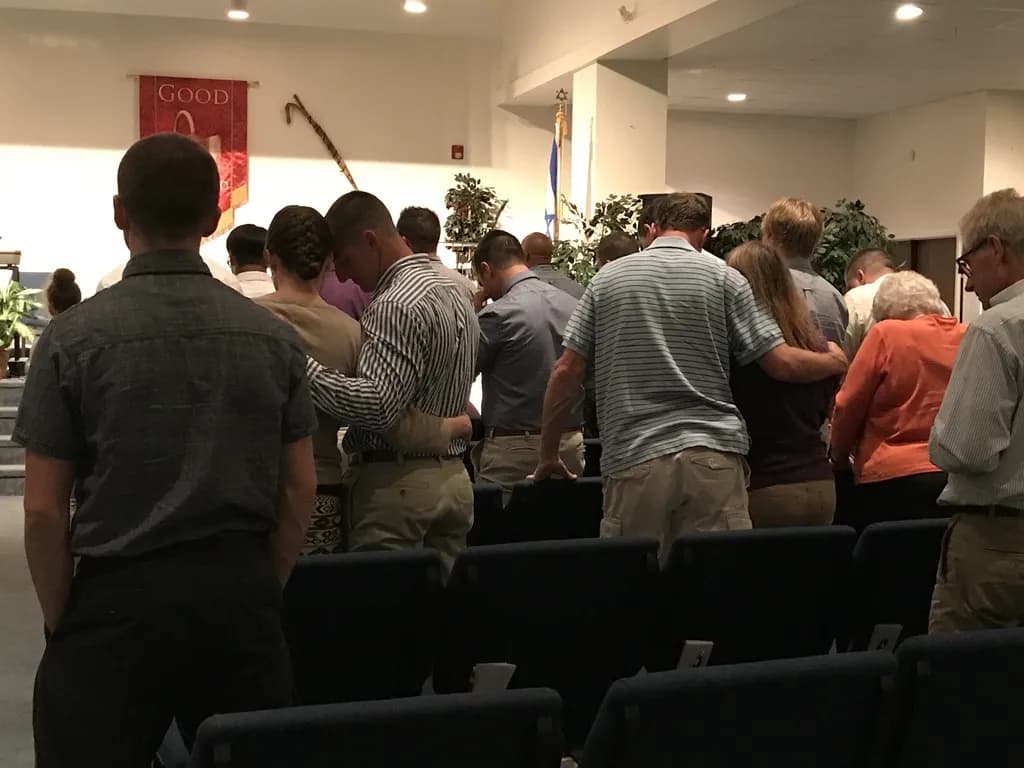
The spiritual dimension of Teen Challenge is not a chapel service tacked onto an otherwise secular schedule. Faith is the operating system of the entire program. Scripture, prayer, worship, and discipleship are not add-ons. They are the methodology.
The peer-reviewed research supports this. A longitudinal study of faith-based treatment found that religiosity development across treatment, not religiosity at entry, directly and significantly predicted after-treatment abstinence. People who grew in faith during the program had 55% higher odds of sustained sobriety. Religious support was the single strongest predictor of post-treatment abstinence in that study.
In the Northwestern TC study, when graduates were asked why they no longer use drugs, the consistent answer was that Jesus Christ filled a void in their life. That's not a theological claim you have to take on faith. That's what the people who went through it say when researchers ask them what worked.
A large body of empirical research on belief, behavior, and belonging reinforces the same finding: spiritual engagement in recovery is associated with better long-term outcomes. The data consistently points in the same direction. Behavioral modification alone does not produce the same lasting change.
Clinical programs treat behavior. Discipleship addresses identity, worship, and purpose. If your loved one has been through clinical treatment and relapsed, it might be because the clinical approach addressed the substance without addressing the person underneath it.
You Don't Have to Be a Christian to Enter
This is a question families ask constantly, and the answer is straightforward.
You do not have to be a Christian to enter Teen Challenge. You do have to be willing to participate in a Christian program. Worship, Scripture study, prayer, church attendance. TC does not run a secular track alongside a faith track. The program is one thing.
If someone is completely unwilling to engage with Christian content, TC is not the right fit. If they're open, even skeptical, even resistant, many of those people are TC's best graduates. The research backs this up: it's not faith at entry that predicts outcomes. It's faith developed during treatment. Some of the most dramatic transformations I've seen started with guys who showed up angry and wanting nothing to do with God.
TC's own national FAQ puts it plainly: full disclosure is given to every person who enters that this is a Christian faith-based program, and entrance is voluntary. That voluntary agreement includes participation in all aspects of the program, including the religious aspects.
Honest Limitations
What Teen Challenge Does Not Do
TC Does Not Provide Medical Detox
People entering with physical dependence on alcohol, benzodiazepines, or opioids need medical supervision for withdrawal before entering. Withdrawal from some substances can be fatal. The national organization requires that applicants needing detoxification complete it prior to entry. If someone is in medical crisis, get them to a hospital first.
TC Does Not Accept Everyone
Active psychosis or severe untreated psychiatric conditions may require a clinical setting first. The program is “a Christian residential rehabilitation program and not a medical, psychiatric, or psychological program.”
TC Requires 12 to 18 Months
This is not possible for everyone due to work, children, legal situations, or finances. It is also the structural reason TC works. The time commitment is not a bug. It is the feature.
Suboxone and Methadone
Most TC centers require participants to be free from Suboxone and methadone before enrollment. That can feel scary if medication has been the only thing that kept your loved one alive so far. If that's your situation, talk to the specific center at intake. We can help you think through timing and next steps.
Affordability
The Cost Difference
“A full year of Teen Challenge typically costs less than a single month of clinical rehab.”
Clinical residential treatment runs $5,000 to $50,000 or more for a 30-day stay. Insurance covers much of this for families who have it. For families without insurance, the cost is often prohibitive.
Teen Challenge operates on a sliding scale model, typically $0 to $1,500 per month. Centers are funded through donations, thrift store operations, and resident work contributions. Most centers do not accept insurance because they are not licensed clinical facilities. Pennsylvania Adult and Teen Challenge and Minnesota Teen Challenge are notable exceptions that accept Medicaid and private insurance and employ licensed clinical staff.
For families without insurance or with limited coverage, TC is often the only affordable long-term residential option available. For a detailed breakdown of costs by center, read what Teen Challenge actually costs.
Right Fit
Who Teen Challenge Is Especially For
People Who Have Already Tried Shorter Programs and Relapsed
The 30-day or 90-day approach has run its course. The family is looking for something structurally different, not just another round of the same thing. If your loved one has been through rehab and keeps ending up in the same place, it might not be because they aren't trying or don't care. It might be because they need more time than a month allows.
People Who Need a Complete Environmental Change
If the person keeps going back to the same neighborhood, the same friends, the same triggers, a year in a structured residential community can break the cycle in ways outpatient care cannot.
People Who Are Open to Faith, Even If They're Not Sure About It
Willingness doesn't have to mean enthusiasm. It means being in the room and participating. That's enough for God to work with.
Families Where Cost Is a Barrier to Clinical Treatment
When insurance doesn't cover rehab and the family can't write a $30,000 check, Teen Challenge may be the only real option on the table.
Family Experience
What Families Can Expect
Most TC centers restrict contact in the early weeks to let the new resident adjust and detox emotionally. Expect limited phone calls and possibly letters only during the first month. This is protective, not punitive.
As the program progresses, communication opens up. Family visits, phone calls, and eventually home visits become part of the process. The goal is not to separate your loved one from the family. The goal is to rebuild the relationship on a healthier foundation. Many TC graduates report that family relationships improved significantly during and after the program. The 2019 ATC study found 91% of graduates reported improved family relationships.
For a month-by-month guide on what the experience looks like from the family side, read what to expect while your loved one is in a faith-based program.
Free Guide
5 Prayers for Families Still in the Fight
If someone you love is in addiction and you don't know what to pray anymore, start here. Drop your email and we'll send you the free one-page guide.
I'll also send occasional encouragement and resources. You can unsubscribe anytime.
Sequential Pathway
When You Need Clinical Treatment First
Some families need clinical care before Teen Challenge, and that's a responsible sequence.
Step 1: Medical Stabilization
If your loved one needs medical detox, psychiatric evaluation, or crisis intervention, that happens in a clinical setting first. This might be a 7-day inpatient detox or a 28 to 90 day rehab program. The goal is getting them physically safe and mentally stable enough to participate in long-term recovery.
Step 2: Long-Term Discipleship
Once they are medically stable, Teen Challenge provides the 12 to 18 months of structured community, discipleship, and identity rebuilding that short-term treatment cannot offer. Several TC centers explicitly accommodate this sequential pathway and will coordinate timing with clinical providers.
Step 3: Aftercare and Reintegration
The transition out of any program is the most vulnerable window. Post-program community support, church involvement, recovery meetings, and mentorship help bridge the gap between residential structure and independent life.
Center Variation
Not All Teen Challenge Centers Are the Same
Teen Challenge USA is a network of 220+ independently operated centers. Each one is its own nonprofit with its own board, policies, fees, and program details. Pennsylvania and Minnesota operate clinical hybrid models with licensed staff and insurance acceptance. Most centers do not.
Do not evaluate the network. Evaluate the specific center your loved one would attend. Ask about fees, program length, staffing, medical policies, family visitation, and what happens after graduation. We wrote a guide on what questions to ask before enrolling and a full overview of what Teen Challenge is and how it works.
Straight Talk
The Question Behind the Question
Neither model is a magic wand. Rehab doesn't guarantee sobriety. Teen Challenge doesn't guarantee transformation. The men who do well in long-term programs tend to share two things: they're willing, and they stay connected to community after they graduate. The ones who build their recovery around Jesus and stay planted in a church tend to stay free.
If your loved one has already done 30-day programs and keeps ending up in the same place, it's very possible they don't need “another round.” They need more time than a month allows. That's what a 12 to 18 month discipleship program is for.
If they're open to faith, even a little, and you've watched everything else fail, Teen Challenge may be exactly what they need. Not because it's magic. Because a year of daily discipleship, structure, and community does something to a person that 28 days of therapy simply cannot. Jesus changes people. The program gives Him the time and space to do it.
If someone is in immediate medical crisis (overdose, severe withdrawal, self-harm), that's a 911 call. We can talk about programs once they're safe.
Justin Franich
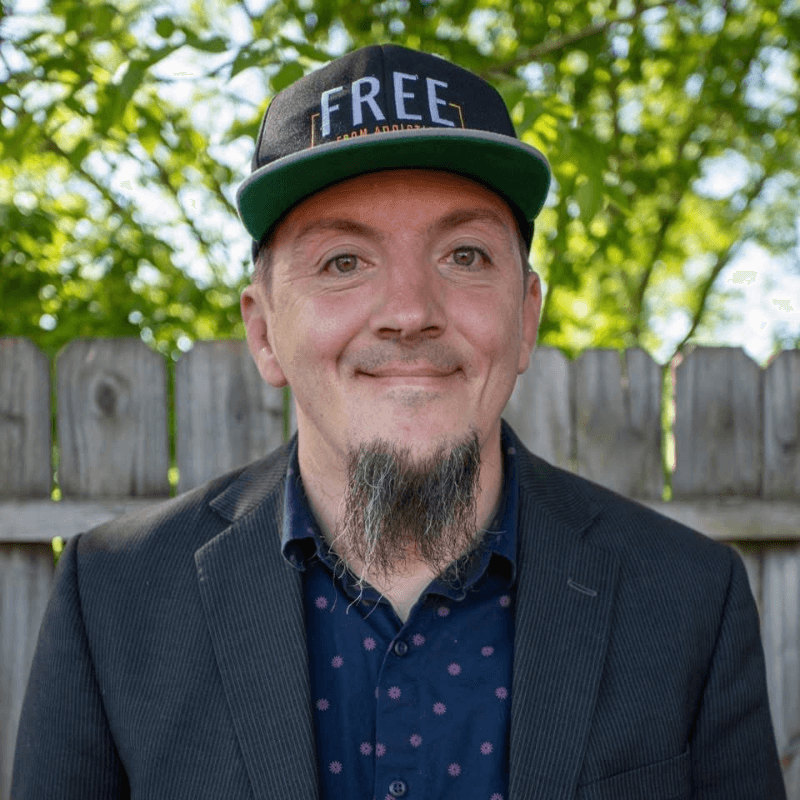
Justin Franich is a former meth addict, Teen Challenge graduate, and pastor who has been clean since 2005. Today he's a husband, father, and Executive Director of Shenandoah Valley Adult Teen Challenge. He hosts the Rebuilding Life After Addiction podcast and helps families across the U.S. navigate faith-based recovery options, compare programs, and rebuild life after addiction.
Read my story →FAQ
Frequently Asked Questions
Is Teen Challenge a rehab?
+
Not in the clinical sense. Teen Challenge is a faith-based residential discipleship program, not a licensed medical treatment facility. It does not offer medical detox, psychiatric care, or insurance billing at most locations. A few centers like Pennsylvania and Minnesota operate clinical hybrid models with licensed staff and insurance acceptance.
How is Teen Challenge different from rehab?
+
Clinical rehab focuses on medical stabilization over 28 to 90 days using licensed clinicians, therapy, and sometimes medication. Teen Challenge focuses on identity transformation over 12 to 18 months through faith-based discipleship, structured community, and daily engagement with Scripture. Rehab treats the immediate crisis. Teen Challenge rebuilds the person.
How much does Teen Challenge cost compared to rehab?
+
A full year of Teen Challenge typically costs less than a single month of clinical rehab. TC centers operate on sliding scale fees, usually $0 to $1,500 per month, funded by donations and work programs. Clinical rehab runs $5,000 to $50,000 or more for 30 days, often covered by insurance.
Read our full breakdown of Teen Challenge costs.
What is the success rate of Teen Challenge compared to rehab?
+
TC graduates report 67 to 86% drug-free rates across multiple studies, with the most recent national study showing 78% sobriety post-graduation. Clinical addiction research shows 40 to 60% of people relapse after standard treatment, with some analyses reporting over 80% within a year without ongoing support. These numbers measure different things on different timelines, but the gap is significant.
We wrote a deep dive on Teen Challenge success rates with the full data.
Do you have to be a Christian to go to Teen Challenge?
+
No. You do not have to be a Christian to enter. You do have to be willing to participate in a Christian program, including worship, Bible study, prayer, and church attendance. TC does not offer a secular track. Many of TC's strongest graduates entered without faith and developed it during the program.
Can someone go to rehab first and then Teen Challenge?
+
Yes. This is a common and often recommended pathway. Clinical rehab handles medical detox and psychiatric stabilization. Then Teen Challenge provides 12 to 18 months of discipleship and community for long-term transformation. Several TC centers coordinate this sequential approach with clinical providers.
Learn about how to get someone into Teen Challenge and whether Teen Challenge is worth it.
Is Teen Challenge only for teens?
+
No. Despite the name, most Teen Challenge residents are adults. The network serves men and women of all ages. The name reflects the organization's origins in the 1960s, not its current demographic.
How long is Teen Challenge compared to rehab?
+
Teen Challenge runs 12 to 18 months. Clinical rehab typically runs 28 to 90 days. The difference in duration is the single most important factor in the comparison. Research consistently shows that longer treatment produces better long-term outcomes, and TC's model is built around giving people enough time for lasting change.
Read more about how long Teen Challenge takes and what each phase looks like.
Citations
Sources
Relapse Rates and Treatment Duration
- Assessment of addiction management program outcomes (PMC, peer-reviewed)
- Stability of outcomes following residential drug treatment (PMC, peer-reviewed; 90-day threshold)
- Impact of continuing care on recovery (PMC, peer-reviewed)
- Planned duration of residential drug abuse treatment (PubMed)
- NIDA: Drugs, Brains, and Behavior (National Institute on Drug Abuse)
Faith and Recovery Outcomes
- Faith-based intervention, change of religiosity, and abstinence (PMC, peer-reviewed)
- Belief, behavior, and belonging: empirical evidence on faith and substance abuse (PMC, peer-reviewed)
Teen Challenge Outcomes
- ATC USA National Outcomes Study (2019) (Adult & Teen Challenge USA)
- Summary of Teen Challenge research studies (includes NIDA 1975, UT 1994, Northwestern 1999)
- ATC nationwide study announcement (Adult & Teen Challenge USA)
Teen Challenge Program Documentation
- Teen Challenge USA FAQ
- TCMI Application
Need Help Now?
If you're trying to figure out the right path for your loved one, reach out to us at SVTC or call 540-213-0571. We'll talk through your situation and help you find the right fit, whether that's our program or somebody else's.
Keep Reading
What Is Teen Challenge?
The complete overview of how the program works, who it serves, and what to expect.
Read the guide →Teen Challenge Success Rate
What the research actually shows about long-term outcomes for graduates.
Read the guide →Teen Challenge Cost
What families actually pay and why the model is different from traditional rehab.
Read the guide →