Finding Help
What Happens After Teen Challenge? Life After Graduation
Justin Franich
September 4, 2025 · 8 min read
The day your loved one walks across that stage, diploma in hand, feels like the end of a long nightmare. You've prayed for this moment. You've counted down the months. You've imagined what it would feel like to have them back, whole and free.
Here's what nobody tells you at graduation: the ceremony marks the end of the program, but it's the beginning of everything else.
At SVTC, we spent 16 years running residential recovery programs in the Shenandoah Valley. We've celebrated hundreds of graduations. We've hugged necks and wiped tears and taken pictures in front of banners. We've also taken the calls that come six weeks later, six months later, when families realize that graduation was the starting line, not the finish line.
What follows is what we wish every family understood about life after Teen Challenge. Not to discourage you. To prepare you. Because preparation is a form of love.
The Honeymoon Phase
The first few weeks after graduation often feel miraculous. Your son is present at dinner. Your daughter laughs at things that aren't on a screen. Conversations happen without screaming. You catch yourself thinking: this is really working.
It is working. Don't dismiss that. The transformation is real. Months of discipleship, structure, and spiritual investment have produced genuine change.
But the honeymoon phase is also fragile precisely because it feels so good. Everyone relaxes. The guard comes down. Old patterns start creeping back, not because anyone failed, but because 9 or 12 months in a structured environment doesn't automatically translate to 9 or 12 months of real-world practice.
The graduate knows how to wake up at 6 a.m. when a staff member is knocking on the door. They don't yet know how to wake up at 6 a.m. when nobody's watching and the alarm is easy to ignore.
Enjoy the honeymoon. Thank God for it. Just don't mistake it for the destination.
Reintegration Challenges
The shift from total structure to total freedom is one of the most dangerous moments in recovery. Inside the program, every hour had a purpose. Outside, there's a terrifying amount of empty space.
The freedom shock is real. Graduates often describe feeling lost in their first weeks home. Not because they want to use, but because they don't know what to do with themselves. Boredom is a relapse trigger that doesn't get enough attention.
Old environments haven't changed. Your loved one has been transformed. Their old neighborhood, old friends, old hangouts have not. The corner store still sells what it sold. The friend group still gathers where it gathered. Avoiding those triggers requires daily, sometimes hourly, intentionality.
Employment and housing create pressure. Most graduates need jobs and places to live. The gap between "I'm ready to work" and "someone will hire me with my background" can be brutal. Rejection stings harder when you're trying to prove you've changed.
Identity is still forming. In the program, your loved one learned who they are in Christ. But that identity hasn't been tested in the wild yet. The first time someone from their past treats them like the old version of themselves, the first time a job application asks about criminal history, the first time shame whispers that nothing has really changed: these moments reveal whether the identity took root or just sat on the surface.
For families researching what to expect from Virginia programs specifically, our Teen Challenge Virginia overviewprovides helpful context on the state's options and approaches.
If someone you love is in addiction and you don't know what to pray anymore, grab our free guide: 5 Prayers for Families Still in the Fight.
No spam. Unsubscribe anytime.
Building New Rhythms
What separates graduates who thrive from those who struggle? Rhythms.
Not willpower. Not good intentions. Rhythms. The daily, weekly, monthly habits that hold a life together when motivation fades.
Church attendance isn't optional. We cannot say this strongly enough. Graduates who skip church in the first months after graduation are playing with fire. The program provided community, accountability, worship, and teaching. Church is where those things continue. It's not about checking a religious box. It's about staying connected to the body that will catch you when you stumble.
Accountability requires actual people. "I'll stay accountable" means nothing without names attached. Who is your loved one calling when temptation hits? Who has permission to ask hard questions? Who will notice if they disappear for a few days? If your graduate can't name three people filling those roles, the plan has a hole in it.
Work matters for more than money. Employment provides structure, purpose, and dignity. A graduate with too much free time and no sense of contribution is vulnerable. Even a job that feels beneath them is better than idle hours.
New friendships take time. One of the hardest realities: the healthy friendships your loved one needs won't appear overnight. Old friends are accessible and familiar. New friends require effort, awkwardness, and patience. Many graduates get lonely and drift back toward people who understand their past, even when those people threaten their future.
Relapse and Grace
We need to talk about relapse, because avoiding the topic doesn't make it less likely.
Relapse is not inevitable. Plenty of graduates never use again. But relapse is common enough that every family should know what it means and what it doesn't.
Relapse is not the same as failure. It's a setback. A serious one. But one bad day doesn't erase months of growth. What matters most is what happens next. Does your loved one hide it or confess it? Do they isolate or reach out? Do they use it as an excuse to give up or a reason to double down on their recovery?
How families respond to relapse matters enormously. Panic and condemnation rarely help. Neither does pretending it didn't happen. The goal is clear-eyed grace: acknowledging the seriousness while refusing to write off the person.
Relapse often reveals what's missing. Maybe the accountability wasn't strong enough. Maybe the job was too stressful. Maybe unresolved trauma surfaced. Relapse is information. Painful information, but information nonetheless. Use it to strengthen the plan rather than abandon it.
For a realistic look at outcomes and what contributes to long-term success, our article on Teen Challenge success ratesaddresses what the numbers actually show.
Family Rebuilding
Here's a truth that catches many families off guard: graduation doesn't automatically heal the family.
Your loved one has spent months working on themselves. They've had counseling, discipleship, and daily investment in their growth. Meanwhile, the rest of the family has been surviving. Holding things together. Dealing with trauma, broken trust, and exhaustion without the benefit of a structured program.
Trust rebuilds slowly. Your loved one may expect the family to immediately trust them again. They've changed, after all. Can't everyone see it? But trust isn't restored by declarations. It's restored by consistent behavior over time. Months of reliability. Years, sometimes. That's not punishment. That's just how trust works.
Boundaries remain important. The boundaries you set during active addiction don't all disappear at graduation. Some do. Some evolve. But the instinct to drop all boundaries because "they're better now" often backfires. Healthy boundaries aren't walls. They're guardrails that protect everyone, including the graduate.
Your healing matters too. Families of addicts carry wounds that don't automatically heal when the addict gets sober. Resentment, hypervigilance, grief, anger: these don't evaporate. If you haven't done your own work, now is the time. Counseling, support groups like Celebrate Recovery or Al-Anon, honest conversations with trusted friends. You can't pour from an empty cup.
Expect awkwardness. The family dynamic before addiction is gone. The crisis-mode dynamic during addiction is hopefully gone too. What's left is a new normal that nobody knows how to navigate yet. That's okay. Awkward is part of rebuilding. Give everyone grace, including yourself.
Long-Term Hope
Here's what we want you to hold onto when the road gets hard:
We've watched graduates become pastors, business owners, husbands, wives, fathers, mothers. We've seen men who couldn't stay sober for a week celebrate ten years of freedom. We've seen families that seemed irreparably shattered sit around Thanksgiving tables laughing together.
Recovery is possible. Restoration is possible. Not because people are strong enough to white-knuckle their way through, but because God specializes in resurrection. He makes dead things live. He makes broken things whole. He wastes nothing, not even the years the locusts have eaten.
But it takes time. It takes community. It takes daily dependence on a God who offers grace for today and mercies new every morning.
The program gave your loved one a foundation. What they build on that foundation is the work of a lifetime. And they don't have to do it alone. Neither do you.
If you're a family wondering what comes next or how to support recovery long-term, learn about our 12-month program. We're here to walk with you.
Contributed by Justin Franich, Director, Shenandoah Valley Teen Challenge. With nearly 20 years of personal recovery and over a decade leading faith-based recovery ministry, Justin has walked alongside hundreds of families. Read more at justinfranich.com/about.
Hear more on our podcast: He Rebuilt His Life After Addiction
You’re not alone in this
If addiction has someone you love, talk to someone who’s been there.
The conversation is free and confidential. Justin & Rob answer the phone — both in recovery themselves.
One quiet email a week
New articles and podcast episodes when they drop. No pressure, no spam.
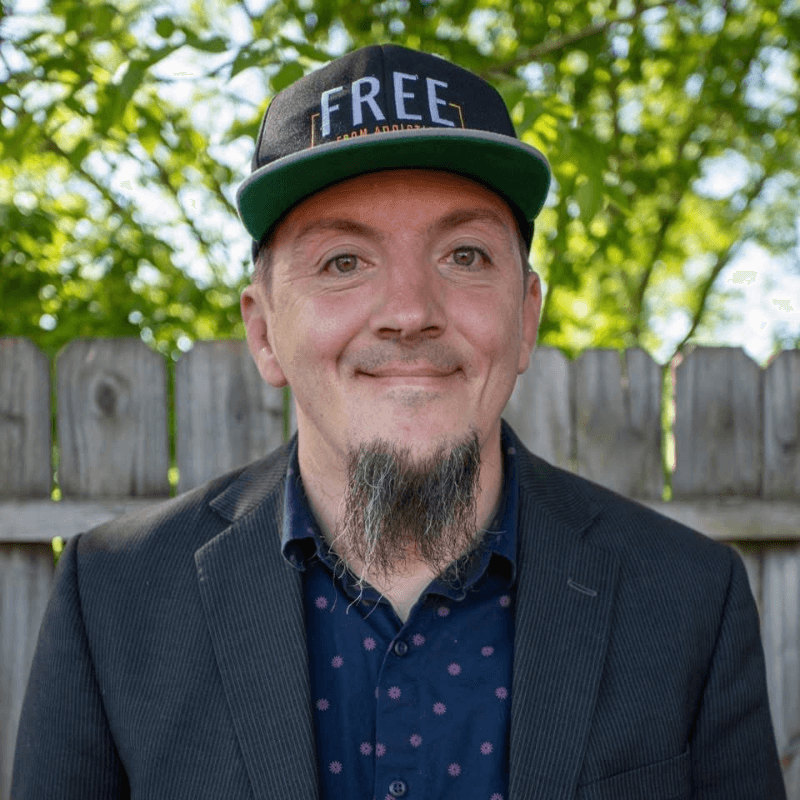
Justin Franich
Justin Franich is a former meth addict, Teen Challenge graduate, and pastor who has been clean since 2005. Today he's a husband, father, and Executive Director of Shenandoah Valley Adult Teen Challenge. He hosts the Rebuilding Life After Addiction podcast and helps families across the U.S. navigate faith-based recovery options, compare programs, and rebuild life after addiction.
Read my storyKeep going


Know a family who needs this? Send it to them.
Monthly partners
Articles like this stay free because partners keep them free.
No paywall, no ads — monthly partners cover the writing, the phone line, and the guidance behind every page, so the next family searching at 2 a.m. finds real help.
Become a monthly partner