For Families
A Guide for Families Dealing with Addiction
You didn't cause this. You can't cure it. But you're not helpless either. This guide is for the person in the family who is trying to hold everything together. It walks through what you need to understand, what you can actually do, and how to take care of yourself while you do it.

For Families
A Guide for Families Dealing with Addiction
You didn't cause this. You can't cure it. But you're not helpless either. This guide is for the person in the family who is trying to hold everything together. It walks through what you need to understand, what you can actually do, and how to take care of yourself while you do it.
Justin Franich
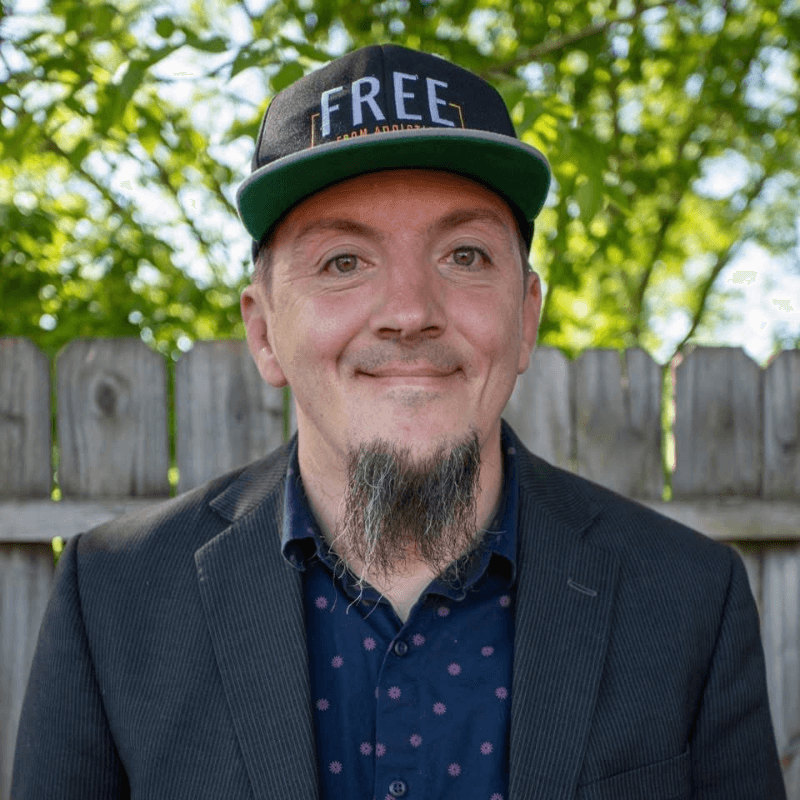
Justin Franich is a former meth addict, Teen Challenge graduate, and pastor who has been clean since 2005. Today he's a husband, father, and Executive Director of Shenandoah Valley Adult Teen Challenge. He hosts the Rebuilding Life After Addiction podcast and helps families across the U.S. navigate faith-based recovery options, compare programs, and rebuild life after addiction.
More about my story →If you need to talk to someone right now
You don't have to figure this out alone. We help families find the right program and navigate the next step. Free. Confidential.
Talk to Us →Or call: 540-213-0571
Stage 1: Understanding
Understanding What's Happening
Most families spend months or years not understanding what they're actually dealing with. You might blame yourself. You might blame them. You might swing between rage and guilt every hour. That's normal. The first step isn't action. It's understanding what addiction actually is, what it does to families, and why nothing you've tried so far has worked.




Stage 2: Boundaries
Boundaries and Enabling
This is the hardest part. Because everything that feels like love might actually be making it worse. Enabling doesn't feel like enabling when you're in it. It feels like survival. It feels like “if I don't do this, they'll die.” Learning the difference between helping and enabling is the single most important thing a family member can do.



Living Free Group
In the Shenandoah Valley?
A 9-week support group for families walking through a loved one's addiction. Free. All materials provided. Contact us for current availability.
You don't have to figure out the next step alone.
Talk to Someone →Stage 3: Taking Action
Taking Action
At some point, understanding isn't enough. You need to do something. But what? An intervention? A phone call to a program? Cutting them off? The right action depends on your specific situation, and it's almost never what you see on TV. This section covers what actually works and how to take the first step without blowing everything up.

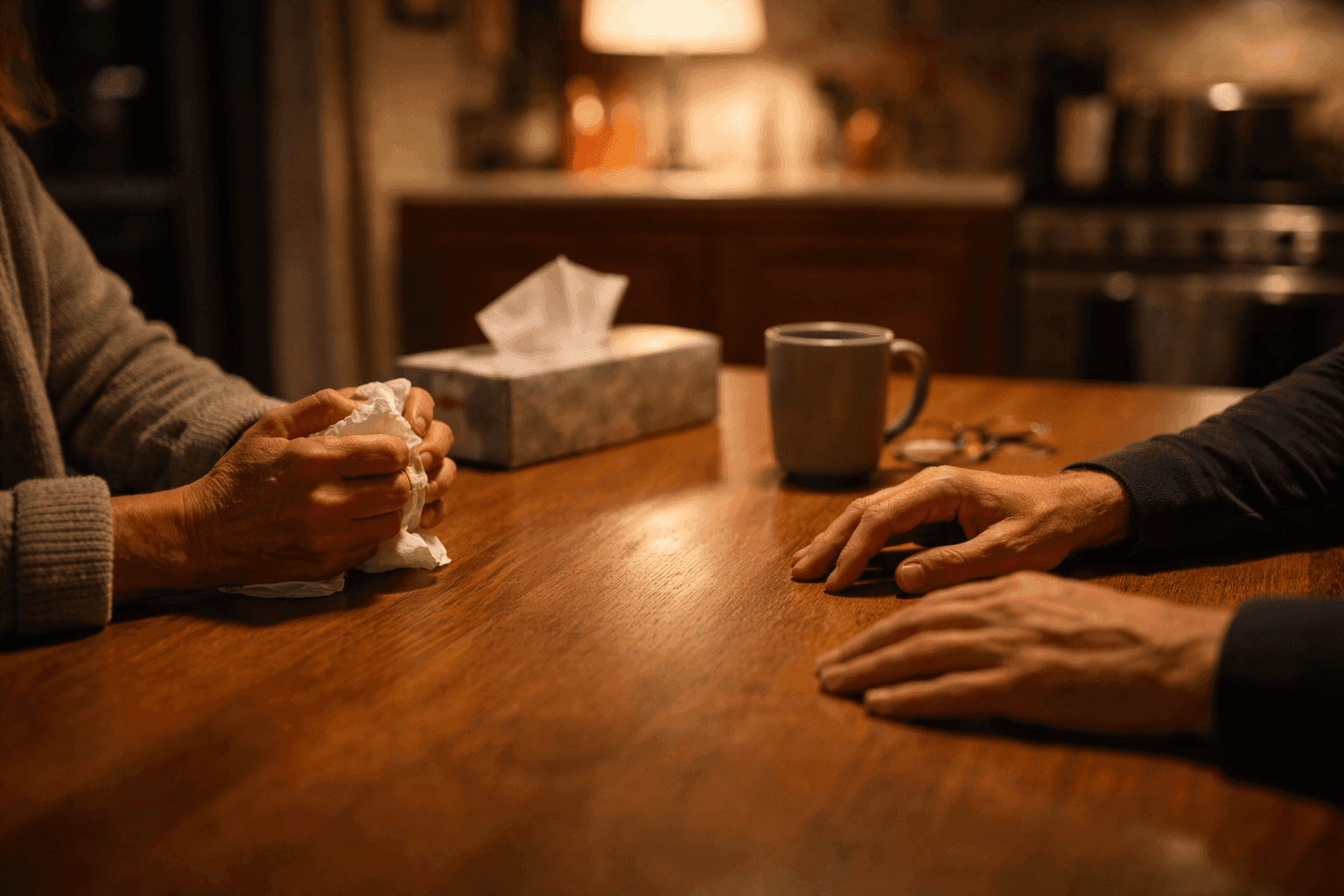
If you're considering Teen Challenge or another faith-based program, I wrote a complete guide to help you evaluate your options.
What Is Teen Challenge? →Stage 4: Self-Care
Taking Care of Yourself
Nobody tells the family member to take care of themselves. You're so focused on keeping them alive that you forget you're falling apart. This isn't selfish. If you burn out, everyone loses. Your loved one needs you healthy, not just present.



You don't have to do this alone.
Christian support groups for families of addicts offer a safe place to talk with people who understand what you're going through. Find one near you or online.
Find a Family Support GroupStage 5: What Comes Next
Life After Treatment
Treatment ending is not the finish line. It's the starting line. The transition home, rebuilding trust, navigating new boundaries, figuring out what “normal” looks like now. This is where most families feel lost because the program is over but the hard work is just beginning.



If going straight home feels risky
Sometimes going straight home is not the safest next step. A longer, Christ-centered residential discipleship program — with accountability, real work, church connection, and brotherhood — may be the better fit. It is not detox or clinical treatment. It is a complete change of environment.
Get Help Finding the Right ProgramStage 6: The Hard Conversations
Talking to Kids About Addiction
Do you tell them? How much? At what age? What if they ask why mommy or daddy isn't home? These are the questions that keep families up at night and nobody gives you a straight answer. Here's what I've seen work and what I've seen backfire.



Free Guide
5 Prayers for Families Still in the Fight
If someone you love is in addiction and you don't know what to pray anymore, start here. Drop your email and we'll send you the free one-page guide.
I'll also send occasional encouragement and resources. You can unsubscribe anytime.
From the Podcast
Conversations for the person holding the family together.
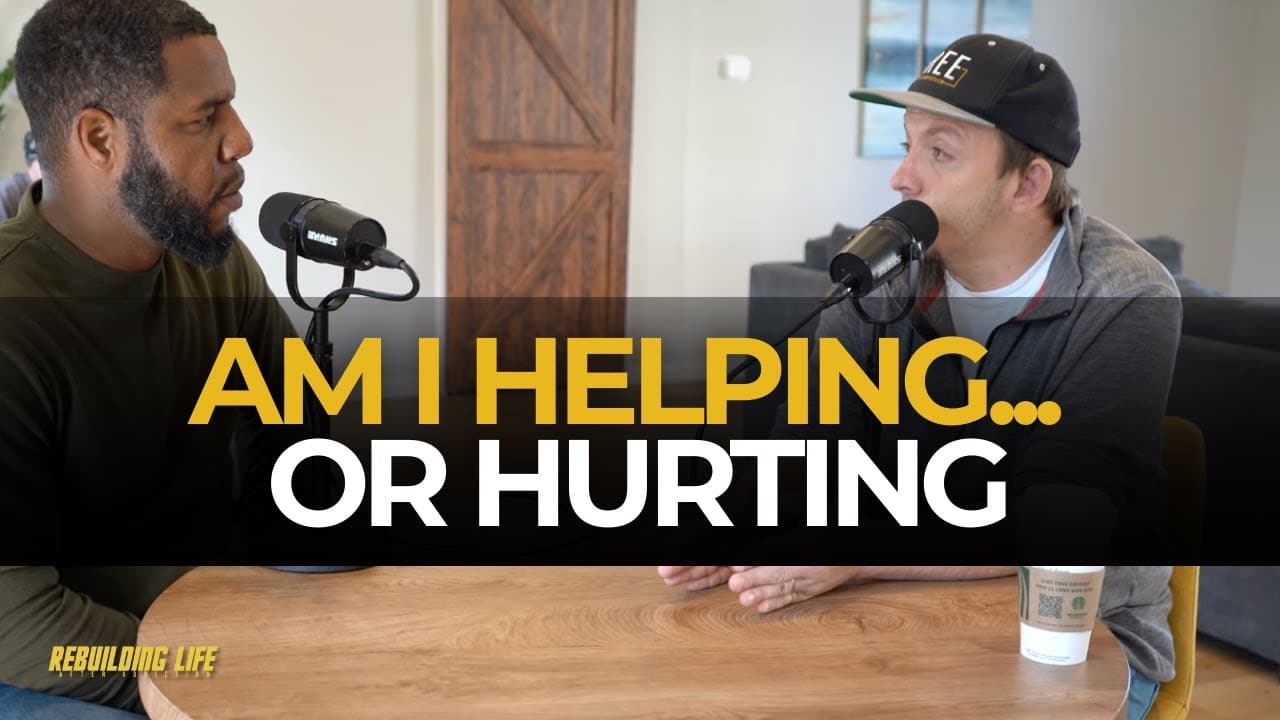
Stop Enabling: Boundaries You Need After Rehab
When love becomes enabling and how to stop.
Listen →
Real Change Starts When You Stop Doing It for Them
The hardest conversation a family has to have.
Listen →
Should We Tell Our Kids About Our Addiction?
What to say. What not to say. And when.
Listen →
Why Women Leave Recovery... and What Brings Them Back
Why women's recovery is a different conversation.
Listen →Your family doesn't have to face this alone.
We help families find the right faith-based recovery program. Free. Confidential. No pressure. Just a real conversation about what's going on and what the options are.
Get Help for Your Family →Or call: 540-213-0571
Not ready yet? What Is Teen Challenge? →