
For Families
How to Handle Addicts Who Only Care About Themselves
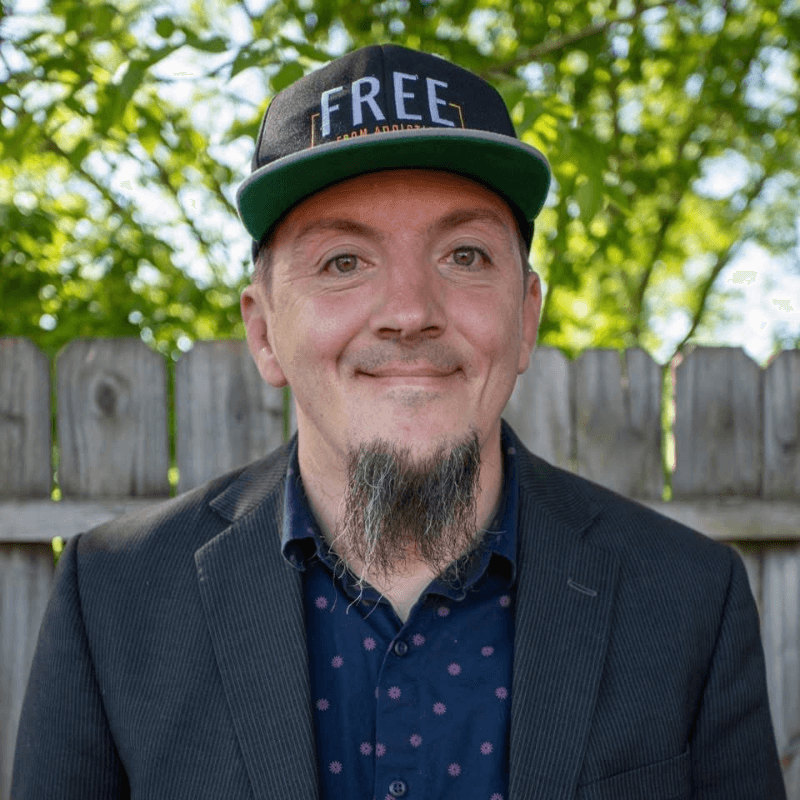
Justin Franich
June 27, 2023 · 4 min read

There is a particular kind of exhaustion that comes from loving someone who seems incapable of seeing past themselves.
You try to help.You show grace.You give second and third chances.
And somehow, you still end up being the problem.
You're accused of not doing enough. Or doing too much. Or doing it the wrong way. You're burned for caring and punished for setting limits. Over time, you start to wonder if you're doing something wrong-or if you're just losing your mind.
This kind of dynamic hurts because it usually involves someone close. A child. A spouse. A sibling. A friend. Someone you don't want to give up on, even though staying engaged keeps costing you more and more.
If that sounds familiar, you're not alone. And no-you're not heartless for feeling frustrated.
The truth is, addicts who are still centered on themselves often respond to love by exploiting it. Not because they're evil, but because addiction trains people to prioritize relief over responsibility. And unless something changes, that pattern doesn't correct itself on its own.
So what do you do when the person you're trying to help only seems to care about themselves?
You stop rescuing-and you start leading with strength.
That begins with boundaries.
Helping someone does not mean surrendering your home, your peace, or your dignity. Love does not require you to become a doormat. Especially when the person you're helping lives under your roof or relies on you for basic support.
Your house is still your house.Your life is still your life.
If you're uncomfortable with someone coming and going at all hours of the night, it's reasonable to say so. If everyone in the household contributes, it's fair to expect the same from the person in recovery. Boundaries aren't punishments-they're structure. And structure is often the only thing that keeps chaos from running the show.
People don't accidentally overstep boundaries. They step into the space that's left unguarded. And they will continue to do so as long as it's allowed.
But boundaries alone aren't enough. Progress has to matter.
When you love someone, it's easy to lower expectations in the name of compassion. You make excuses. You explain away patterns. You tell yourself things will change eventually.
Grace is essential-but grace without expectation quietly turns into permission.
Recovery does not require perfection. Relapses happen. Mistakes happen. Growth is rarely clean or linear. But progress still matters. Forward movement still matters. Effort still matters.
Someone cannot live however they want, refuse to grow, and still expect unlimited support. That's not grace. That's enablement.
People tend to rise-or fall-to the level of expectation around them. When nothing is required, nothing changes. Requiring progress isn't harsh. It's honest. It communicates belief in their ability to do better instead of silently agreeing that they never will.
And finally, responsibility has to land where it belongs.
One of the most common tactics in these situations is guilt. If you hold a boundary, you're told you're stressing them out. If you expect progress, you're told you're pushing too hard. If they relapse, you're told it's because of you.
That narrative is tempting-especially if you're already tired and emotionally worn down.
But it isn't true.
You did not make them addicted. And you cannot make them recover.
Recovery is a decision only they can make. No amount of love, sacrifice, or self-blame can substitute for personal responsibility. When you accept responsibility for their choices, you don't help them-you relieve them of the very pressure that could move them toward change.
Addiction thrives when accountability disappears.
Real help puts the weight back where it belongs. Not in anger. Not in cruelty. But with clarity.
You can love someone deeply and still refuse to carry what isn't yours.
You didn't create this mess.And you don't have to let it consume your life.
Help the person you love-but do it with grace and strength.
Hear more on our podcast: Real Change Starts When You Stop Doing It for Them
Living Free Group
In the Shenandoah Valley?
We run support groups for families walking through a loved one's addiction. 9 weeks. Free. All materials provided. Contact us for current availability.
Learn More →You’re not alone in this
If addiction has someone you love, talk to someone who’s been there.
The conversation is free and confidential. Justin & Rob answer the phone — both in recovery themselves.
One quiet email a week
New articles and podcast episodes when they drop. No pressure, no spam.
Justin Franich
Justin Franich is a former meth addict, Teen Challenge graduate, and pastor who has been clean since 2005. Today he's a husband, father, and Executive Director of Shenandoah Valley Adult Teen Challenge. He hosts the Rebuilding Life After Addiction podcast and helps families across the U.S. navigate faith-based recovery options, compare programs, and rebuild life after addiction.
Read my storyKeep going
 Building Trust: CarePortal's Role in Family StabilityPodcast episode
 Helping a Loved One Through Addiction? Watch This FirstPodcast episodeBible Verses for Anxiety When Someone You Love Is AddictedArticleBible Verses for Codependency: Scripture for When You've Lost Yourself in Someone Else's ProblemArticle
Know a family who needs this? Send it to them.
Monthly partners
Articles like this stay free because partners keep them free.
No paywall, no ads — monthly partners cover the writing, the phone line, and the guidance behind every page, so the next family searching at 2 a.m. finds real help.
Become a monthly partner