
For Families
How to Take Care of Yourself When a Loved One Is in Rehab
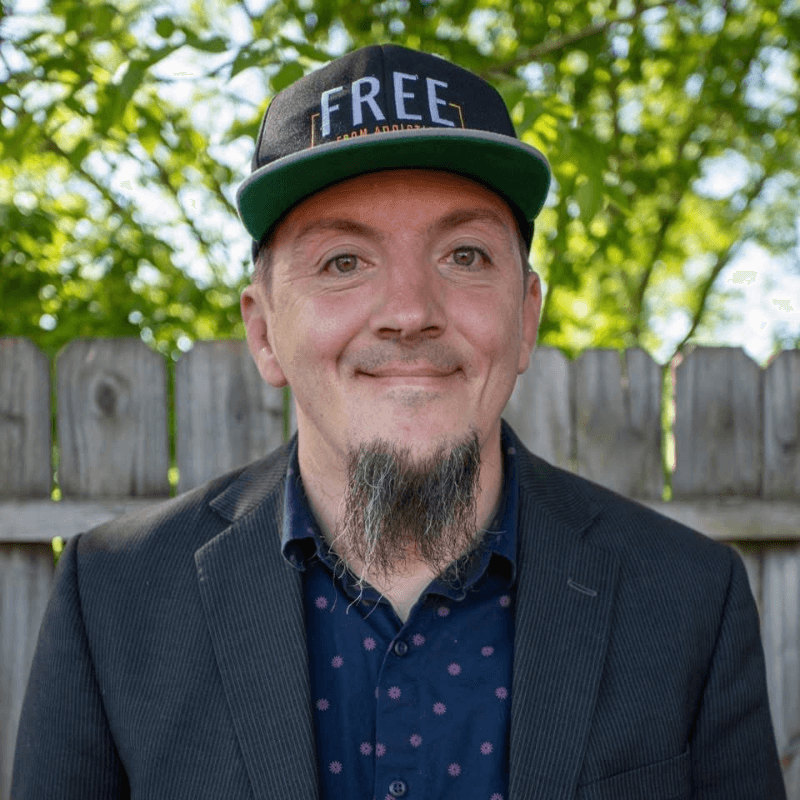
Justin Franich
April 18, 2023 · 3 min read

Imagine being in the trenches of a war for years, then suddenly finding yourself back home, sitting in your own living room.
What would you do?
You'd probably breathe for the first time in a long while. Sleep. Sit still. Try to remember what life felt like before everything revolved around survival.
If you've been loving someone through addiction, that comparison makes sense. Life becomes constant tension. Constant alertness. High emotion. High stress. The battle never really stops.
So when the person you love enters a program, something shifts.
For the first time in a long time, you're not fighting fires every day. You're not bracing for the next call or crisis. There is space. Quiet. Relief.
And with that relief often comes a surprising realization.
They're not the only ones who need healing.
You do too.
When someone you love is in rehab, you're finally given something you haven't had in a long time - margin. And what you do with that margin matters.
So how do you take care of yourself during this season? How do you begin repairing the damage while the person you love is getting help?
There are a few simple, necessary places to start.
First, rest.
You've been running on empty for a long time. Anxiety has been normal. Crisis has been routine. Your body and mind haven't had a chance to recover.
"If the ax is dull and its edge unsharpened, more strength is needed."Ecclesiastes 10:10
There's wisdom in slowing down before trying to fix everything. This is not the moment to rush into productivity or preparation mode. It's time to stop. To sleep. To enjoy ordinary things again. To let your nervous system settle.
Rest is not laziness. It's repair.
Next, plan.
Once you've begun to regain some strength, clarity starts to return. And clarity allows you to think ahead without panic.
"For which of you, desiring to build a tower, does not first sit down and count the cost...?"Luke 14:28
Planning doesn't mean expecting the worst. It means refusing to drift back into chaos unprepared.
What boundaries will be in place when your loved one returns?What support will you reach for if things get hard?What behaviors are you no longer willing to normalize?
These aren't conversations meant to control someone else. They're decisions meant to protect you and the rest of the family. The work they're doing in rehab matters - but the work you do now sets the environment they return to.
And finally, connect.
Isolation is one of the quiet costs of addiction. Shame pushes families inward. Over time, support systems erode. Relationships fade. Everything narrows down to the addict and the problem.
"A person standing alone can be attacked and defeated, but two can stand back-to-back and conquer."Ecclesiastes 4:12
This season gives you the chance to rebuild what was lost.
Reconnect with people who know you, not just your situation. Build a support network that doesn't rely on one person - especially not the one in recovery. You need multiple points of strength. Safe conversations. People who can listen without fixing.
Now, they help you process what you've been through.Later, they help you navigate what comes next.
Nothing changes if nothing changes.
While the person you love is getting help, this is your opportunity to do the same. Not because you caused the addiction. Not because you're broken. But because sustained healing requires more than one person changing.
Use this time well.
Rest.Prepare.Reconnect.
What you build now will shape what comes later.
Hear more on our podcast: Stop Enabling: Boundaries You Need After Rehab
Living Free Group
In the Shenandoah Valley?
We run support groups for families walking through a loved one's addiction. 9 weeks. Free. All materials provided. Contact us for current availability.
Learn More →You’re not alone in this
If addiction has someone you love, talk to someone who’s been there.
The conversation is free and confidential. Justin & Rob answer the phone — both in recovery themselves.
One quiet email a week
New articles and podcast episodes when they drop. No pressure, no spam.
Justin Franich
Justin Franich is a former meth addict, Teen Challenge graduate, and pastor who has been clean since 2005. Today he's a husband, father, and Executive Director of Shenandoah Valley Adult Teen Challenge. He hosts the Rebuilding Life After Addiction podcast and helps families across the U.S. navigate faith-based recovery options, compare programs, and rebuild life after addiction.
Read my storyKeep going


Know a family who needs this? Send it to them.
Monthly partners
Articles like this stay free because partners keep them free.
No paywall, no ads — monthly partners cover the writing, the phone line, and the guidance behind every page, so the next family searching at 2 a.m. finds real help.
Become a monthly partner