For Families
When Your Loved One’s Addiction Ruins Your Summer Vacation
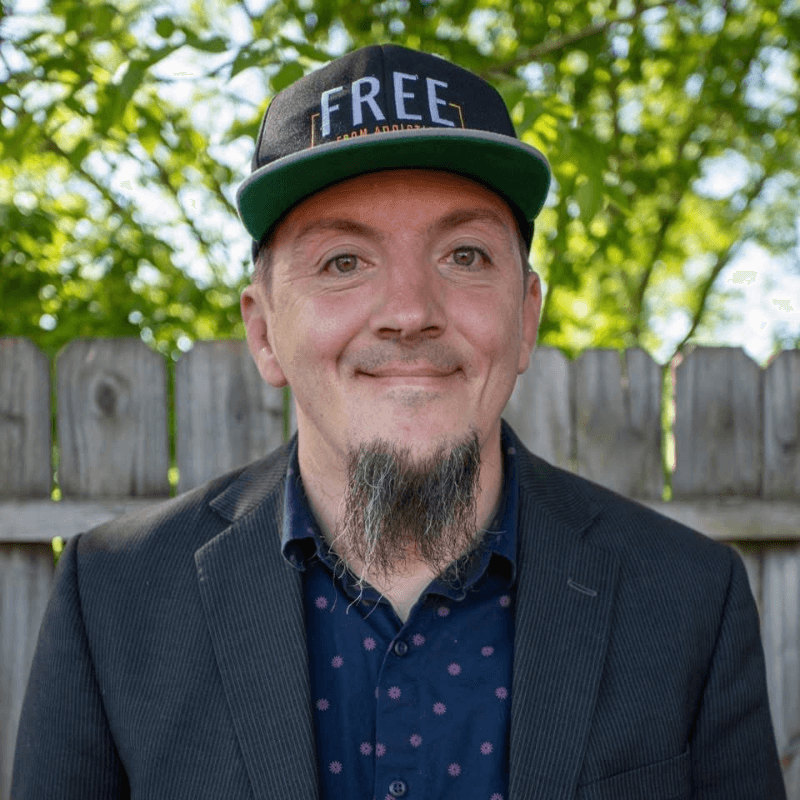
Justin Franich
July 25, 2023 · 3 min read

You've been counting down the days.
The bags are packed. The car is ready. For the first time in a long while, you can feel yourself exhale. This was supposed to be the break. The reset. The stretch of normal your family desperately needed.
The drive is peaceful. The destination is beautiful. For a moment, it feels like things might finally be okay.
And then it happens.
A broken promise.A familiar look.That sinking realization you hoped you wouldn't have to face again.
Suddenly, the past crashes into the present. Every fight. Every late night. Every prayer whispered through clenched teeth. And now, you're not just dealing with addiction again-you're dealing with it on your vacation.
What was meant to restore you now feels stolen.
So what do you do with that kind of disappointment? How do you respond when the person you love brings addiction with them into what was supposed to be a season of rest?
Scripture gives us a simple directive that's anything but easy to live out.
"Speak the truth in love."Ephesians 4:15
That sounds good-until you're standing in the middle of a ruined vacation trying not to fall apart.
Speaking the truth in love means holding two things at the same time. And both matter.
Love comes first.
Love, in this moment, means refusing to give up. It means believing change is still possible even when you're tired of being disappointed. It means saying, in word and tone and posture, I still see more in you than this. Hope doesn't disappear just because it's been bruised.
Love also says, I'm still here.
Addiction does damage relationships, but it does not erase them. This person is still your child. Still your spouse. Still part of your family. Even when there is tension, even when there is pain, love communicates presence. It reassures them that failure does not automatically equal abandonment.
But love without truth turns into silence. And silence enables destruction.
Truth matters just as much.
Truth says, clearly and without apology, that this choice was not your fault. You did not ruin the vacation. You did not cause the relapse. You are not responsible for managing someone else's sobriety. That burden belongs to the person who picked up the substance.
Truth also says this behavior is not acceptable.
It is not wrong to name the damage. It is not cruel to acknowledge how this affected you, your children, and the entire family. Addiction thrives when its impact is minimized. Speaking truth does not mean attacking-it means refusing to pretend this didn't matter.
And sometimes truth goes one step further.
Truth says this requires help.
Not secrecy. Not embarrassment. Not quietly absorbing another blow. Real help. Accountability. Support beyond what you can provide on your own. Reaching out is not betrayal. It is not weakness. It is often the most loving thing left to do.
When addiction shows up and wrecks what was meant to be joyful, something must change.
Speaking the truth in love means holding hope without denial. It means staying connected without excusing behavior. It means believing redemption is possible while refusing to normalize destruction.
You didn't imagine the loss.You're not overreacting.And you don't have to carry this alone.
Love keeps the door open.Truth keeps the house from burning down.
Both are necessary-especially when addiction tries to follow you everywhere, even on vacation.
Living Free Group
In the Shenandoah Valley?
We run support groups for families walking through a loved one's addiction. 9 weeks. Free. All materials provided. Contact us for current availability.
Learn More →You’re not alone in this
If addiction has someone you love, talk to someone who’s been there.
The conversation is free and confidential. Justin & Rob answer the phone — both in recovery themselves.
One quiet email a week
New articles and podcast episodes when they drop. No pressure, no spam.
Justin Franich
Justin Franich is a former meth addict, Teen Challenge graduate, and pastor who has been clean since 2005. Today he's a husband, father, and Executive Director of Shenandoah Valley Adult Teen Challenge. He hosts the Rebuilding Life After Addiction podcast and helps families across the U.S. navigate faith-based recovery options, compare programs, and rebuild life after addiction.
Read my storyKeep going
Know a family who needs this? Send it to them.
Monthly partners
Articles like this stay free because partners keep them free.
No paywall, no ads — monthly partners cover the writing, the phone line, and the guidance behind every page, so the next family searching at 2 a.m. finds real help.
Become a monthly partner