For Families
How to Help a Recovering Addict
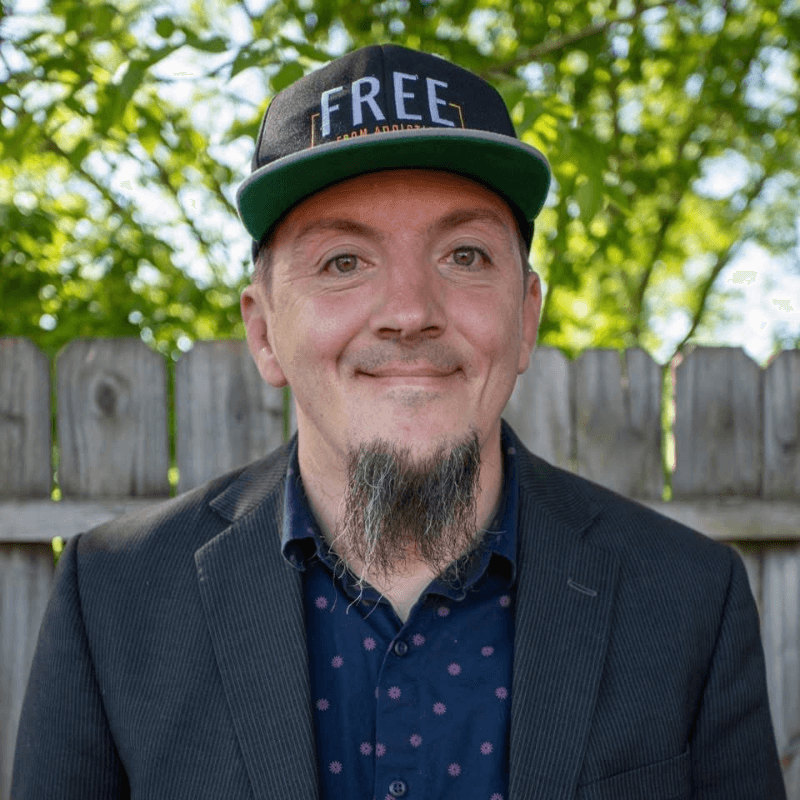
Justin Franich
July 11, 2023 · 3 min read

Three Ways to Motivate Change When You Feel Out of Options
Addiction doesn't just affect the person using. It spreads outward.
Families feel it. Marriages carry it. Children absorb it. Friends grieve it. And over time, the people who love the addict most begin to feel something heavy and dangerous settle in.
You try everything you know how to try. You talk. You plead. You encourage. You set boundaries. You pray. And eventually you start asking the quiet question no one wants to admit out loud:
What else can I possibly do?
If that's where you are, hear this clearly-you are not powerless, and this situation is not beyond hope. But the kind of help that actually motivates change is often different than what we instinctively reach for.
One of the most important things you can do is believe for the person when they can't believe for themselves.
Addiction crushes hope. It convinces the person using that change is impossible, that they are broken beyond repair, that this is just who they are now. Before someone can believe in themselves again, they often need someone else to hold that belief on their behalf.
This doesn't mean pretending reality isn't real. It means seeing beyond the present mess. Scripture describes this as calling things that are not as though they already were. You speak to what God is still capable of doing, not just what addiction has already destroyed.
You remind your son there is more in him than what you see right now. You tell your spouse you still see the person they were before the chaos. When someone knows that another human being genuinely believes change is possible, hope begins to breathe again.
Along with hope, purpose has to be restored.
Addiction doesn't just steal sobriety-it steals meaning. The person using may not want to die, but they often stop caring about living. Dreams fade. Goals feel unreachable. The future feels irrelevant.
Those dreams aren't gone. They're buried.
And sometimes the most powerful thing you can do is help dig them back up. You remind them who they were. What they once cared about. What mattered before the addiction took over. You help them remember that their life still has weight, still has direction, still has value.
When purpose begins to surface, motivation follows. People fight harder for a life they believe is worth rebuilding.
But even hope and purpose will struggle to survive if guilt is left untouched.
Many addicts are haunted by the wreckage behind them. Broken relationships. Lost trust. Financial ruin. Missed years. The weight of that shame becomes unbearable, and using again feels like the only way to escape it.
Guilt traps people in place.
Forgiveness loosens the grip.
Helping someone forgive themselves doesn't mean minimizing harm or pretending consequences don't matter. It means helping them release the belief that their past disqualifies them from a future. Grace breaks the cycle that guilt keeps spinning.
When grace replaces guilt, hope reenters the picture.
Walking alongside someone through addiction is exhausting. Doing it alone is even harder. But your presence matters more than you realize. Believing for them. Speaking purpose back into them. Helping them release the past-these are not small things.
They are often the very things that move a heart toward change.
You may feel like you're out of options.You're not.
Sometimes the most powerful help isn't fixing the problem-it's standing in faith until the person can stand again themselves.
Hear more on our podcast: He Rebuilt His Life After Addiction
Living Free Group
In the Shenandoah Valley?
We run support groups for families walking through a loved one's addiction. 9 weeks. Free. All materials provided. Contact us for current availability.
Learn More →You’re not alone in this
If addiction has someone you love, talk to someone who’s been there.
The conversation is free and confidential. Justin & Rob answer the phone — both in recovery themselves.
One quiet email a week
New articles and podcast episodes when they drop. No pressure, no spam.
Justin Franich
Justin Franich is a former meth addict, Teen Challenge graduate, and pastor who has been clean since 2005. Today he's a husband, father, and Executive Director of Shenandoah Valley Adult Teen Challenge. He hosts the Rebuilding Life After Addiction podcast and helps families across the U.S. navigate faith-based recovery options, compare programs, and rebuild life after addiction.
Read my storyKeep going

Know a family who needs this? Send it to them.
Monthly partners
Articles like this stay free because partners keep them free.
No paywall, no ads — monthly partners cover the writing, the phone line, and the guidance behind every page, so the next family searching at 2 a.m. finds real help.
Become a monthly partner