
For Families
How to Help an Addict Without Losing Yourself
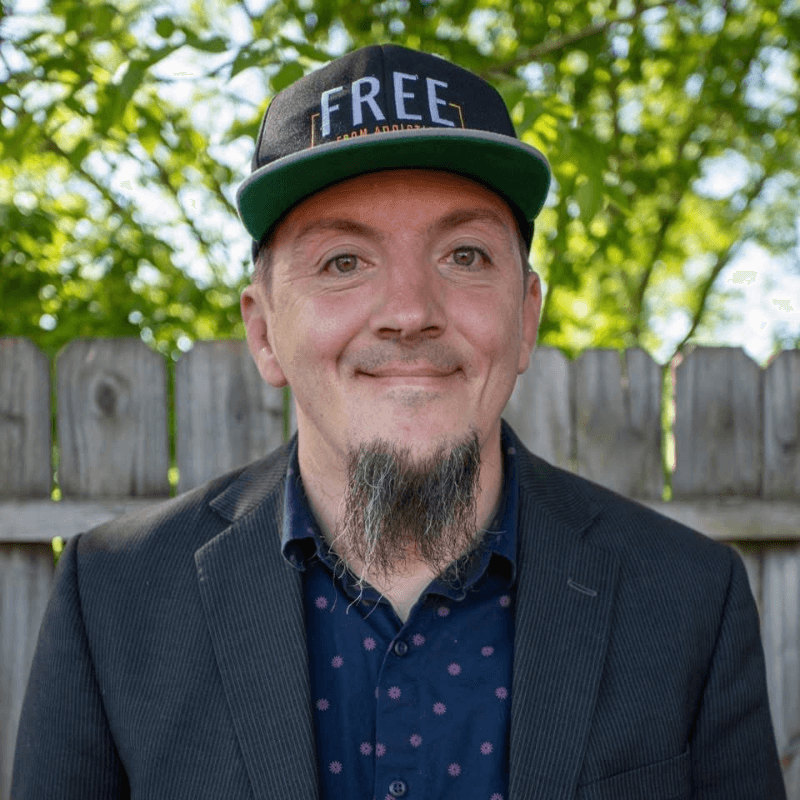
Justin Franich
January 21, 2026 · 7 min read

When someone you love is drowning in addiction, your first instinct is to jump in after them. That instinct comes from a good place. It comes from years of birthday parties and bedtime prayers and all the moments that made them yours to protect.
But here's what nobody tells you: you can drown trying to save someone.
I've spent over 20 years in recovery ministry. I've sat across from mothers who haven't slept in weeks, grandmothers raising grandchildren because their own child can't, wives who don't recognize the man they married anymore. The weight they carry isn't just concern. It's the accumulated grief of watching someone they love become someone they don't know.
And somewhere along the way, they stopped taking care of themselves entirely.
Empathy Is a Bridge, Not a Burden
Empathy has allowed me to step into some of the messiest situations imaginable. To look at someone who has wrecked everything and say with a full heart, "I understand." Not because I've experienced every failure or struggle they have. But because I know what it means to fail. I know what it's like to hurt. Our pain may be different, but suffering is suffering, and I am here.
That's the bridge empathy builds.
The problem is, when you're loving someone through addiction, traffic on that bridge tends to flow in one direction only. You help. You offer support. It blows up in your face. You're disappointed by the lack of follow through. And yet you look in their eyes and you don't see the drug addict. You see your son, your daughter, your spouse. You see all the memories of what felt good together. So you step back onto that bridge and ask, "How can I help?"
I wish I could tell you I've always gotten this right. That I've maintained perfect boundaries, struck the perfect balance. But I've blown it more than once, especially with people close to me. Because this is hard. When you see what you see in those you love, you'll go to the ends of the earth to help them.
But here's what I've learned the painful way: empathy means "I understand." It does not mean "I'll fix it."
Empathy is the ability to understand and share the feelings of another. It is not taking on someone else's suffering as your own. It is not owning their problems. It is not neglecting your life while you try to piece theirs back together.
Walking with someone doesn't mean you carry them.
So show empathy. Understand and share. But don't shoulder responsibilities that aren't yours to shoulder. You matter too. If you're in this for the long haul, you cannot expect to be effective at helping when your own wellbeing gets ignored along the way. Taking care of yourself isn't selfish. It's survival.
Finding Your Anchor in the Storm
There's no way around it. When a loved one battles addiction, their every emotion gets transmitted directly to you. Every peak and valley, each moment of hope and despair, becomes yours to bear. You're adrift in a turbulent sea, wondering when the next wave will crash down.
You need an anchor. Without one, your good intentions and deep love will drag you further into the tempest.
I recently read about how ship owners select anchors. Here's what surprised me: the primary concern isn't the size of the anchor. It's the holding power. The most efficient anchors aren't necessarily large compared to the ship they're securing. Some modern anchors have holding power 10 to 200 times their own weight. A 5-pound anchor can potentially secure over 1,000 pounds.
Think about that. Something small holding back something massive.
Hebrews 6:19 paints a picture: "We have this hope as an anchor for the soul, firm and secure."
Hope is that anchor.
Just a small amount of genuine hope can ground you with immense force. Hope isn't wishful thinking. It's that quiet, persistent voice in your heart whispering "maybe" when everything else screams "impossible." Hope is what pushes you to trust in God's faithfulness even when you can't see the next step.
Romans 5:3-5 captures it perfectly: "We also glory in our sufferings, because we know that suffering produces perseverance; perseverance, character; and character, hope. And hope does not put us to shame, because God's love has been poured out into our hearts through the Holy Spirit."
Suffering produces perseverance. Perseverance produces character. Character produces hope. And that hope holds.
Where is your hope anchored today? Not in your loved one's next promise to change. Not in the next program or the next intervention. Those things matter, but they shift like sand. Your anchor has to be driven into something that doesn't move.
If someone you love is in addiction and you don't know what to pray anymore, grab our free guide: 5 Prayers for Families Still in the Fight.
No spam. Unsubscribe anytime.
You Can't Just Watch the Storm Roll In
When you see trouble coming, it's time to spring into action. This matters most when someone is just starting to experiment or when you first notice the signs. We have to be willing to have the tough conversations. Willing to make life awkward if that's what it takes. The one thing you can't do is sit back while the mess accumulates.
If your loved one is an adult who doesn't live with you, it gets more complicated. I've talked with parents who chose not to confront their child because they were afraid they'd never see them again. I understand that fear. But sometimes you have to be willing to step into discomfort now to save yourself grief later.
Now, if the problem has already grown into something much bigger than you expected, you have to start somewhere. Often we get so overwhelmed by the size of the situation that we fall into paralysis. We spend so much time calculating how we're going to fix everything that we never begin. Attack it in bite-size pieces. Once you clear the first thing, that momentum carries you forward.
Your first step might be as simple as telling another family member what's going on. Or calling your loved one and asking if they'd be willing to consider help. Figuring out whether someone actually needs a program can feel like a massive decision, but it starts with one honest conversation. Regardless of what that first step is for you, the important thing is that you take one.
And don't be afraid to accept help. When a good friend shows up and stands with you, they multiply your efforts. Friends provide strength and encouragement when you can't see the end of the road. They exist to give you what you need to continue living a healthy life while you navigate this battle.
You matter. So many people are willing to sacrifice everything to see their loved one made whole. Having someone stand with you ensures you don't give something you simply don't have left to give. You're not crazy for loving someone through this. But you need people who will love you through it too.
The Long Road Ahead
Loving someone through addiction isn't a sprint. It's a marathon you didn't sign up for, run on terrain that keeps shifting underneath you. There will be days when you feel like you're making progress and days when it all falls apart again. Days when hope feels strong and days when you're not sure you have any left.
That's okay. You don't have to get this perfect. You just have to stay anchored.
Keep the bridge of empathy open, but guard your own heart. Let hope be small but mighty. Take the next step, even when the whole path isn't clear. Accept help from the people God has placed around you.
And remember: you can love someone deeply without losing yourself in the process. In fact, that's the only way you'll have anything left to give when they finally start heading home.
If you're looking for more guidance on walking with a loved one through addiction, our complete family guide covers everything from boundaries to treatment options to taking care of yourself along the way.
Justin Franich has spent over 20 years in recovery ministry, first as someone who went through Teen Challenge as a teenager, and now as Executive Director of Shenandoah Valley Teen Challenge. He writes for families navigating addiction because he's been on both sides of that phone call.
Hear more on our podcast: Real Change Starts When You Stop Doing It for Them
Living Free Group
In the Shenandoah Valley?
We run support groups for families walking through a loved one's addiction. 9 weeks. Free. All materials provided. Contact us for current availability.
Learn More →You’re not alone in this
If addiction has someone you love, talk to someone who’s been there.
The conversation is free and confidential. Justin & Rob answer the phone — both in recovery themselves.
One quiet email a week
New articles and podcast episodes when they drop. No pressure, no spam.
Justin Franich
Justin Franich is a former meth addict, Teen Challenge graduate, and pastor who has been clean since 2005. Today he's a husband, father, and Executive Director of Shenandoah Valley Adult Teen Challenge. He hosts the Rebuilding Life After Addiction podcast and helps families across the U.S. navigate faith-based recovery options, compare programs, and rebuild life after addiction.
Read my storyKeep going

Know a family who needs this? Send it to them.
Monthly partners
Articles like this stay free because partners keep them free.
No paywall, no ads — monthly partners cover the writing, the phone line, and the guidance behind every page, so the next family searching at 2 a.m. finds real help.
Become a monthly partner