For Families
Whose Fault Is Their Addiction, Anyway?
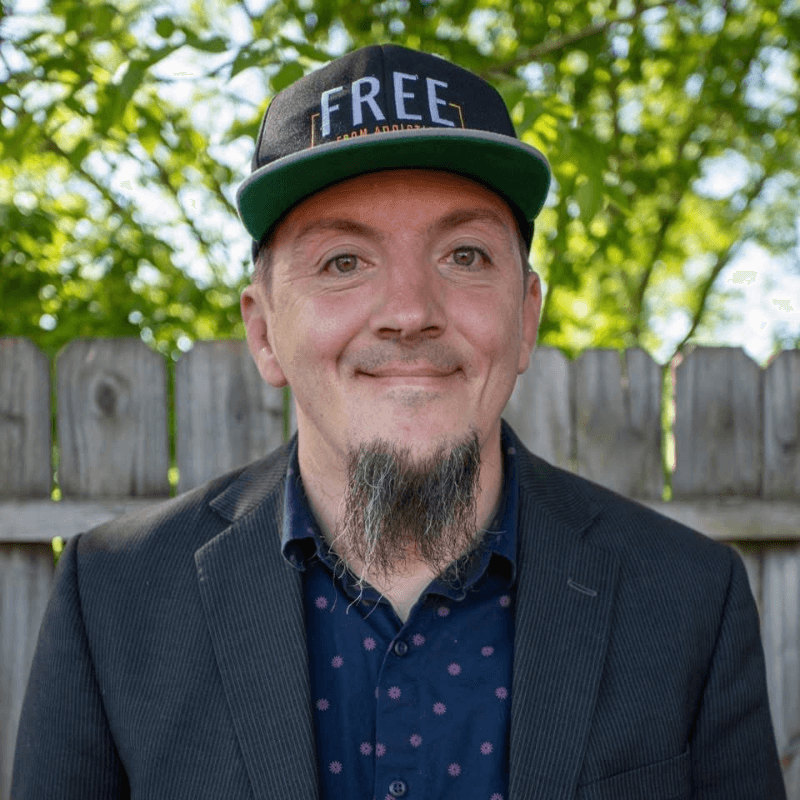
Justin Franich
February 21, 2023 · 3 min read
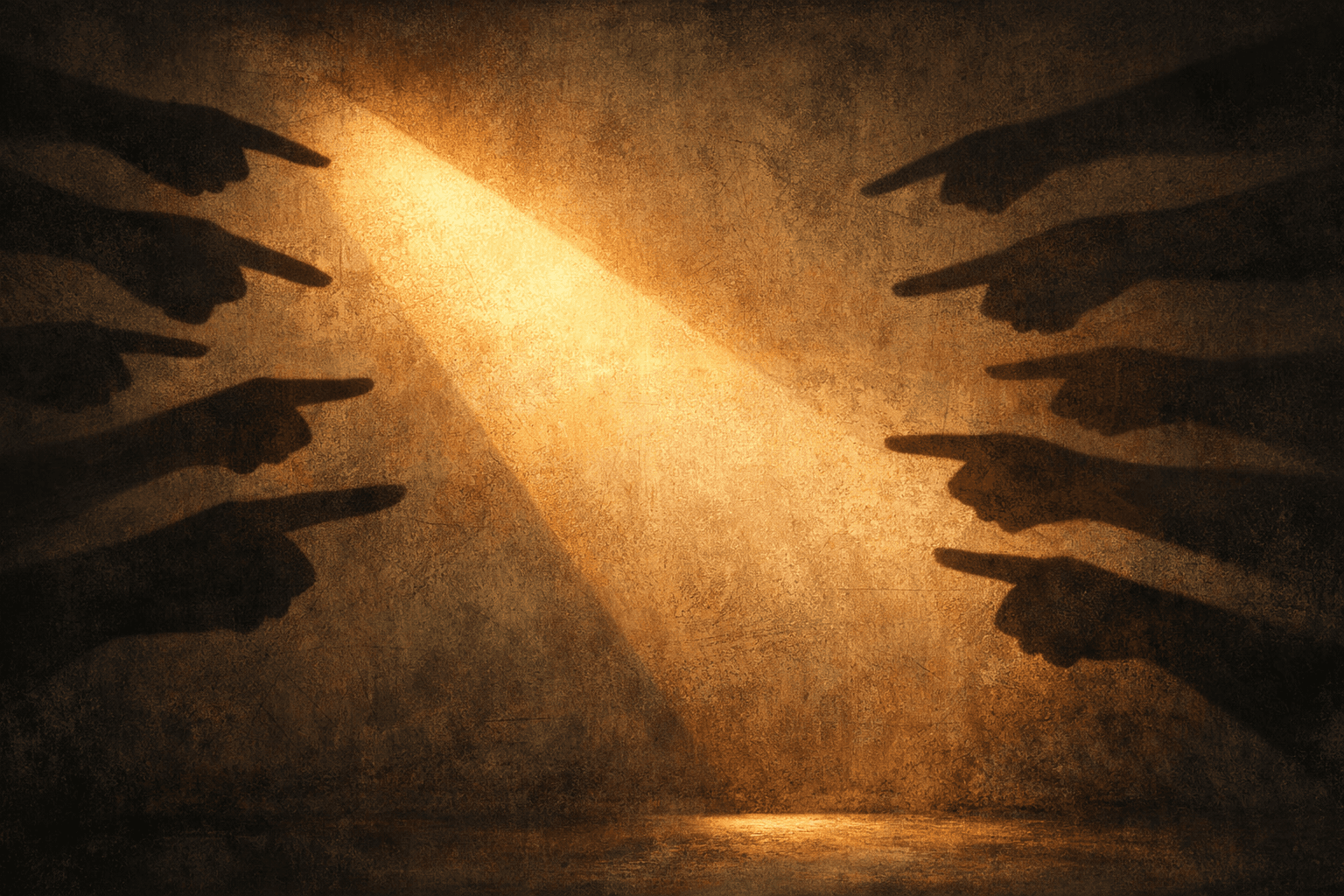
Have you ever been blamed for someone else's addiction?
Maybe you've heard it outright."You made me do this.""If you hadn't said that, I wouldn't have used."
Or maybe it's subtler. A look. A tone. An accusation wrapped in self-pity.
Either way, it leaves you questioning yourself.
But here's the truth that needs to be said plainly:You are not responsible for another person's decision to use drugs or alcohol. You never were.
When that blame gets thrown at you, it usually comes from three places.
First, manipulation.
Addiction always wants more. One more chance. One more night. One more dollar. One more exception.
And if an addict can convince you that you caused the relapse, then guilt becomes leverage. If it's your fault, then surely you should make it right. Help more. Give more. Bend again.
That's the hope.
Not because it's true - but because guilt works.
Second, avoidance.
Very few people want to admit they caused their own pain. In everyday life, blame is already hard to own. In addiction, it's even harder.
If it's not my fault, then it's not my responsibility to change.
Avoiding responsibility makes continued use feel justified. It turns addiction into something that happens to them rather than something they are choosing.
And finally, blame.
If it's not their fault, and someone must be responsible, then the blame has to land somewhere.
And it usually lands on the people closest to them.
But accusation does not equal truth.
Being blamed for someone's relapse does not mean you caused it. In fact, very often the opposite is closer to reality. Your love, your boundaries, and your refusal to carry what isn't yours may be some of the only things standing between them and total collapse.
So what do you do when the addict you love says, "You made me do this"?
You refuse to accept responsibility for something that isn't yours.
Not harshly. Not angrily. Calmly. Clearly.
When they say, "You made me use," you respond with reality:"I didn't make that choice for you."
When they say, "It's your fault I slipped," you return the responsibility to where it belongs:"That was your decision."
This isn't cruelty.It's clarity.
You're not escalating the conflict. You're stepping out of a role you were never meant to play.
There are two reasons this matters.
First, it removes guilt from the person who doesn't deserve it - you.
Carrying responsibility that isn't yours will eventually crush you. Addiction already takes enough. You don't need to add false blame to the list.
Second, it places responsibility back where it belongs.
Recovery cannot begin until ownership exists. As long as someone can point the finger outward, they don't have to look inward. Returning responsibility isn't punishment. It's an invitation to reality.
You can love someone deeply without owning their choices.
You can support recovery without absorbing blame.
And you can say, without apology:"This is not my fault."
That's not unloving.
That's the beginning of truth.
Living Free Group
In the Shenandoah Valley?
We run support groups for families walking through a loved one's addiction. 9 weeks. Free. All materials provided. Contact us for current availability.
Learn More →You’re not alone in this
If addiction has someone you love, talk to someone who’s been there.
The conversation is free and confidential. Justin & Rob answer the phone — both in recovery themselves.
One quiet email a week
New articles and podcast episodes when they drop. No pressure, no spam.
Justin Franich
Justin Franich is a former meth addict, Teen Challenge graduate, and pastor who has been clean since 2005. Today he's a husband, father, and Executive Director of Shenandoah Valley Adult Teen Challenge. He hosts the Rebuilding Life After Addiction podcast and helps families across the U.S. navigate faith-based recovery options, compare programs, and rebuild life after addiction.
Read my storyKeep going
 Rebuilding Strong Families Starts with Strong FathersPodcast episode
 Building Trust: CarePortal's Role in Family StabilityPodcast episodeAm I Enabling My Addicted Son? 7 Situations Families FaceArticleBible Verses for Codependency: Scripture for When You've Lost Yourself in Someone Else's ProblemArticle
Know a family who needs this? Send it to them.
Monthly partners
Articles like this stay free because partners keep them free.
No paywall, no ads — monthly partners cover the writing, the phone line, and the guidance behind every page, so the next family searching at 2 a.m. finds real help.
Become a monthly partner