Life After Addiction
Food Addiction Is Real. Here's How to Fight Back.
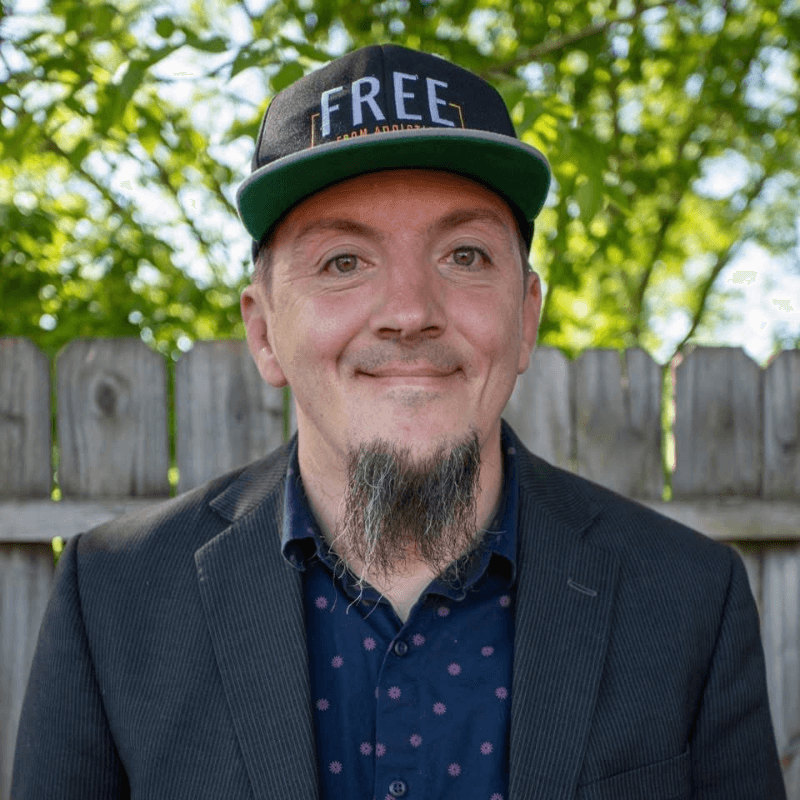
Justin Franich
January 8, 2025 · 5 min read
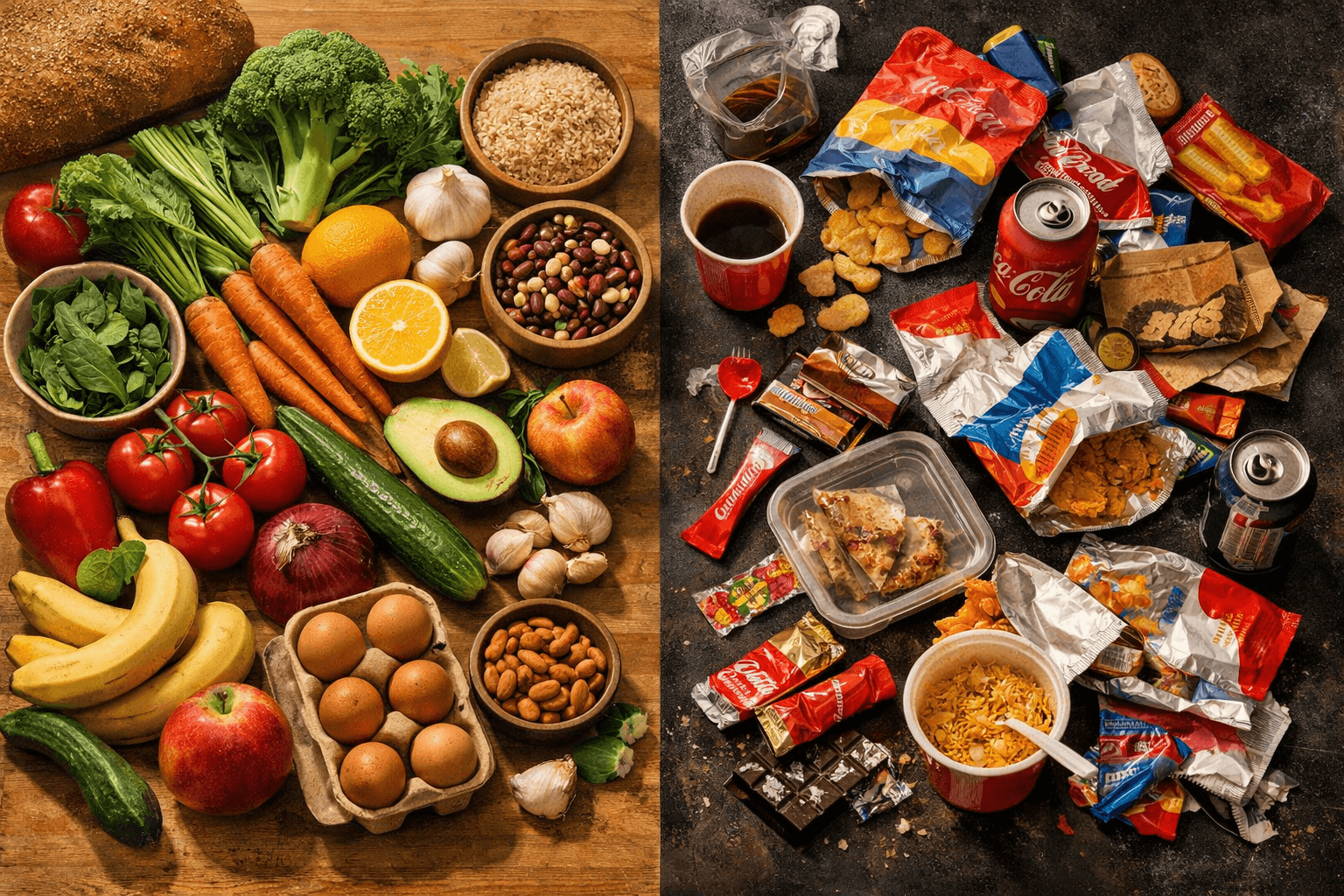
We'll preach about the dangers of alcohol. We'll warn our kids about drugs. We'll even address pornography from the pulpit if we're feeling bold. But food? That's the third rail nobody wants to touch.
Maybe it's because 70% of Americans are either overweight or obese. Hard to challenge people on something most of the room struggles with. Or maybe it's because we've convinced ourselves that food is somehow different. It's not meth. It's just a donut.
Except your brain can't tell the difference.
I recently had a conversation with health coach John Higginbotham that completely reframed how I think about this. The scientific evidence literally compares sugar to cocaine. Same dopamine rush. Same insulin spike. Same need for increasing doses to get the same feeling. It's the same cycle, the same bondage, the same flesh patterns dressed up in a more socially acceptable package.
The Problem with "It's Just Food"
Here's where it gets tricky. You don't need meth to survive. You can cut it out completely and never look back. But food? You have to eat. Every single day, multiple times a day, you're making choices about something your body has learned to use as a coping mechanism.
We don't take food addiction seriously because there's no stigma attached. Nobody's doing an intervention because you had three pieces of cake at the church potluck. But the biological reality doesn't care about social acceptability. Your body just wants what it wants.
I've seen it happen over and over in recovery circles. Someone walks out of a treatment program 50 pounds heavier than when they walked in. They stopped using, but the bondage just changed addresses. They got clean, but that wasn't the hard part. The deeper work of actually being free? That's where most people get stuck.
Breaking the Cycle
Here's what shifted my understanding: the things we eat make us want to eat the things we eat. That's not weakness. That's chemistry. When you spike your insulin, you trigger cravings. When you give in to those cravings, you need more next time to get the same satisfaction. One donut today means you'll need two tomorrow for the same dopamine hit.
Breaking that cycle isn't about willpower. It's about understanding what's actually happening in your body and making strategic choices to interrupt the pattern.
Start with insulin. The goal isn't just eating less. It's eating in a way that doesn't constantly spike your blood sugar. Look up the glycemic index of foods and start eating like a diabetic. Choose an apple over a banana. More fiber, fewer processed carbohydrates. When you stop spiking insulin, the cravings start to lose their grip.
Fasting isn't just spiritual. The Bible talks about fasting constantly, but I didn't fully appreciate how the physical benefits mirror the spiritual ones. When you fast, your body goes into what's called autophagy. Your cells literally clean house. In Matthew 17, Jesus says some things only come out through prayer and fasting. Turns out there's research showing that fasting and ketogenic diets have cured children of seizures. The cellular dysfunction causing so many of our problems gets addressed when we give our body a break from constant food processing. God built healing into our bodies. We just have to stop getting in the way.
Movement matters more than you think. Insulin resistance starts in the muscles, then graduates to the liver, then to the brain. They're now calling Alzheimer's "type 3 diabetes" because of glucose buildup in the brain. Regular resistance training helps your body process glucose better and reduces cravings. You can't out-train a bad diet, but you can make the battle significantly easier.
Find accountability. Your doctor can tell you what to do, but they can't follow you home. They're overwhelmed, and their primary tool is a prescription pad. Having someone who will go through your pantry with you, remind you of your "why," and call you out when you're about to make a bad decision. That's the difference between knowledge and transformation. Same principle we use in addiction recovery. Information without accountability rarely produces lasting change.
If someone you love is in addiction and you don't know what to pray anymore, grab our free guide: 5 Prayers for Families Still in the Fight.
No spam. Unsubscribe anytime.
The Deeper Why
Weight loss motivation doesn't last. Neither does guilt. What actually works is connecting your choices to something bigger than how you look in the mirror.
Think about what you want life to look like in 30 years. Not just surviving, but effective. Having energy for what matters. Being able to actually play with grandkids instead of watching from a chair. Pouring into people at the season of life when you finally have wisdom worth sharing.
We can guilt ourselves about treating our bodies as temples, but guilt and shame are the enemy's tools, not God's. Here's a better frame: you have a calling. You have people who need you. You have work to do in this world. And that work requires a body that can show up for it.
This world is too dangerous right now for any of us to be operating at half capacity.
The Path Forward
If you recognize yourself in any of this, know that the grip food has on you doesn't make you weak. It makes you human. The same brain chemistry that chains people to substances can chain us to anything that triggers a dopamine response.
But here's the good news: the same principles that lead to freedom from addiction apply here. Understanding the problem. Interrupting the patterns. Building accountability. Connecting to a deeper purpose. Moving from just being clean to actually being free.
You didn't get here overnight, and you won't get out overnight. But you can start today. One meal. One choice. One step toward becoming who God made you to be.
You've got to break the cycle. You've got to break the flesh.
Hear more on our podcast: How to Break Free from the Battle Within
You’re not alone in this
If addiction has someone you love, talk to someone who’s been there.
The conversation is free and confidential. Justin & Rob answer the phone — both in recovery themselves.
One quiet email a week
New articles and podcast episodes when they drop. No pressure, no spam.
Justin Franich
Justin Franich is a former meth addict, Teen Challenge graduate, and pastor who has been clean since 2005. Today he's a husband, father, and Executive Director of Shenandoah Valley Adult Teen Challenge. He hosts the Rebuilding Life After Addiction podcast and helps families across the U.S. navigate faith-based recovery options, compare programs, and rebuild life after addiction.
Read my storyKeep going

Know a family who needs this? Send it to them.
Monthly partners
Articles like this stay free because partners keep them free.
No paywall, no ads — monthly partners cover the writing, the phone line, and the guidance behind every page, so the next family searching at 2 a.m. finds real help.
Become a monthly partner