
Life After Addiction
Forgiveness Doesn't Mean Tolerance: What Christians Miss
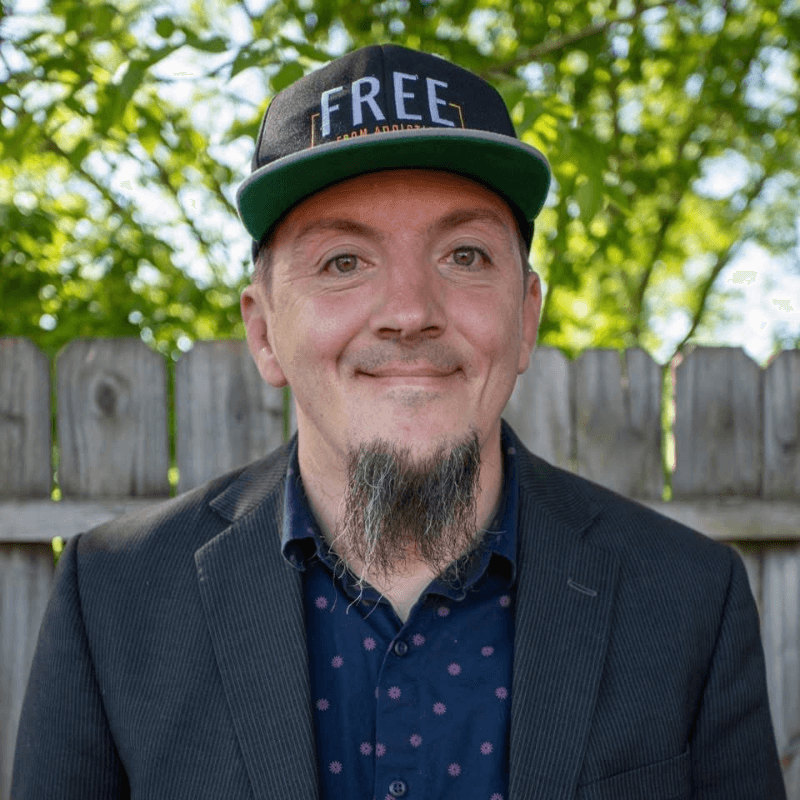
Justin Franich
August 15, 2025 · 4 min read

Forgive and forget.
Turn the other cheek.
Love your enemies.
We've heard it all. And somewhere along the way, we started believing that forgiveness means pretending the wound never happened. That releasing bitterness requires opening the door again to the same patterns that hurt us.
It doesn't.
The Confusion That Keeps Us Stuck
There's a difference between forgiving someone and tolerating them.
Forgiveness is a decision you make about your own heart. It's releasing the debt, refusing to hold bitterness, choosing not to replay the offense on a loop in your mind. Forgiveness sets you free.
Tolerance is about what you allow into your life going forward. It's about access. Proximity. Permission to speak into your decisions, your home, your future.
You can forgive someone completely while simultaneously saying, "You no longer get to be close to me."
This isn't a contradiction. It's wisdom.
What Jesus Actually Taught
When Jesus told us to forgive seventy times seven, He wasn't saying become a doormat. He wasn't saying let abusers back into your bedroom. He wasn't saying ignore patterns of destruction because "grace."
Peter asked how many times he should forgive his brother. Jesus answered with an absurd number to make a point: forgiveness isn't a quota you fill. It's a posture of the heart.
But notice what He didn't say. He didn't say reconciliation is guaranteed. He didn't say the relationship returns to what it was. He didn't say trust is automatically restored.
Forgiveness is your responsibility. Rebuilding trust is theirs.
If someone you love is in addiction and you don't know what to pray anymore, grab our free guide: 5 Prayers for Families Still in the Fight.
No spam. Unsubscribe anytime.
When Boundaries Are Love
I learned this the hard way with someone who hurt me deeply. After years of distance and internal processing, I finally had the conversation. Released the bitterness. Extended genuine forgiveness.
And in that same conversation, I realized I didn't have to tolerate the same patterns anymore.
The forgiveness freed me to set clear boundaries without guilt. I wasn't being petty or holding a grudge. I was protecting myself and my family from proven patterns of harm.
That's actually the more loving thing, for both of us. Allowing toxic patterns to continue isn't love. It's enabling. And sometimes the kindest thing you can do for someone is refuse to participate in their dysfunction.
The Religious Trap
Church culture has a way of weaponizing grace. If you set boundaries, you're "unforgiving." If you limit access, you're "not walking in love." If you protect yourself, you're "not trusting God."
This is manipulation wrapped in Bible verses.
Paul wrote that love "does not keep a record of wrongs." But he also wrote to avoid certain people. He named names of individuals the church should watch out for. He told Timothy to guard against specific threats.
Forgiveness and discernment aren't opposites. You can release someone from the debt they owe you while simultaneously recognizing they're not safe to be around.
Practical Application
Here's what this looks like in real life:
You can forgive the parent who was absent while choosing not to leave your children alone with them.
You can forgive the friend who betrayed your trust while no longer sharing sensitive information with them.
You can forgive the ex who lied to you while refusing to entertain late-night texts.
You can forgive the business partner who cheated you while never entering another deal with them.
In each case, the forgiveness is real. The bitterness is released. But the boundaries remain, because boundaries are how you steward what God has given you.
The Freedom on the Other Side
When I finally understood this distinction, something shifted. I stopped feeling guilty for protecting myself. I stopped second-guessing every boundary as "unchristian." I stopped believing that forgiveness meant pretending everything was fine.
It wasn't fine. But I was free.
Free to genuinely wish them well. Free to pray for their growth. Free to hope they find what they're looking for.
And free to do all of that from a safe distance.
That's not bitterness. That's maturity.
For the full teaching on why forgiveness requires confrontation, read Why Forgiveness Without Confrontation Isn't Love.
Related Reading:
- How to Overcome Offenses - When the wound is still fresh
- Biblical Steps to Restore Broken Relationships - For when rebuilding is appropriate
Hear more on our podcast: When Forgiveness Hurts but Healing Depends on It
You’re not alone in this
If addiction has someone you love, talk to someone who’s been there.
The conversation is free and confidential. Justin & Rob answer the phone — both in recovery themselves.
One quiet email a week
New articles and podcast episodes when they drop. No pressure, no spam.
Justin Franich
Justin Franich is a former meth addict, Teen Challenge graduate, and pastor who has been clean since 2005. Today he's a husband, father, and Executive Director of Shenandoah Valley Adult Teen Challenge. He hosts the Rebuilding Life After Addiction podcast and helps families across the U.S. navigate faith-based recovery options, compare programs, and rebuild life after addiction.
Read my storyKeep going


Know a family who needs this? Send it to them.
Monthly partners
Articles like this stay free because partners keep them free.
No paywall, no ads — monthly partners cover the writing, the phone line, and the guidance behind every page, so the next family searching at 2 a.m. finds real help.
Become a monthly partner