
Life After Addiction
The Fatherlessness Crisis Is Fueling Everything Else
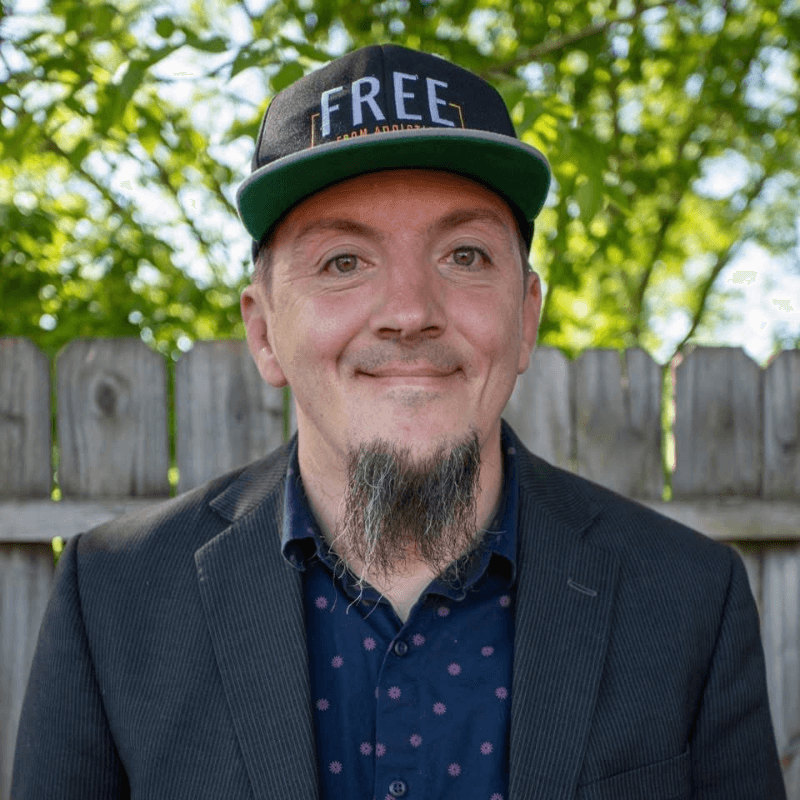
Justin Franich
February 17, 2023 · 6 min read

If you want to understand the addiction epidemic, start with fatherlessness.
If you want to understand the identity confusion plaguing an entire generation, start with fatherlessness.
If you want to understand why young men are flocking to internet personalities for basic life instruction, start with fatherlessness.
It's the root beneath the roots. The crisis underneath all the other crises.
And we're barely talking about it.
The Numbers Tell the Story
The statistics on father absence are staggering. Children without fathers in the home are significantly more likely to end up incarcerated. Girls without fathers are more likely to experience teenage pregnancy. Academic performance drops. Poverty rates climb.
And addiction? The correlation is undeniable.
When you work in recovery ministry like I do, you start to see the pattern. Story after story after story. Absent dad. Checked-out dad. Abusive dad. Dad who was there physically but never emotionally.
The void that leaves doesn't just sit there quietly. It gets filled with something. Substances. Relationships. Chaos. Anything to numb the ache of not knowing who you are because the person who was supposed to tell you wasn't there.
Terrance Williams grew up without his father in the home. He told me: "I found fathers in baseball coaches. I found fathers in teachers." He was one of the fortunate ones who found good men to fill that gap.
But not everyone does.
When the Sheepfold Is Unguarded
Terrance said something that stuck with me: "When the sheepfold is left unguarded, the wolves come."
That's it. That's the whole thing.
Fathers are meant to be the covering for their families. The protector. The one who guards the gate. When that position is abandoned, the family is exposed.
And the enemy knows it. He's hated life from the beginning. He targets the vulnerable. And there's no one more vulnerable than a child growing up without a father's voice speaking identity into their life.
This is why so many people in recovery are really dealing with something deeper than just the substance. The addiction was the symptom. The wound underneath is often a father wound. An identity wound. A "who am I and why am I here" wound that never got answered.
You can get clean and still be lost if you never address what was missing in the first place.
The Generational Breakdown
Here's how Terrance explained the cycle:
The generation that ended around the 60s was committed to marriage. Whether those marriages were great or not, they stayed. They raised their kids with those values.
Then the breakups started. Single moms raising kids without the covering they weren't equipped to provide alone. Those kids grew up compromised. Teenage pregnancies. The next generation even more fractured.
And now? Kids questioning their very identities. Gender confusion. No anchor. No foundation.
Where does identity come from for a believer? It comes from God our Father. And earthly fathers are meant to be a reflection of that. A voice that says "this is who you are" and "this is what you're capable of" and "I'm proud of you."
When that voice is missing, kids go looking for it elsewhere. And the places they find it aren't always healthy.
Why Tate and Peterson Resonate
You can't understand the rise of figures like Andrew Tate or Jordan Peterson without understanding fatherlessness.
These men have massive audiences of young males hanging on their every word. And people scratch their heads wondering why.
It's not complicated. These young men are hungry. Desperate, even. For someone to give them direction. To tell them what it means to be a man. To speak instruction into the void.
Peterson went viral telling guys to clean their rooms and stand up straight. Basic fatherly advice. And it resonated like a earthquake because millions of young men had never heard anything like it from anyone in their actual lives.
That's not a commentary on Peterson or Tate. That's an indictment of how badly we've failed a generation of boys.
If the church isn't filling this void, the internet will. And the internet doesn't care about their souls.
Breaking the Cycle
Here's the hope in all of this: cycles can be broken.
Terrance made a decision when he met his wife. Whatever dysfunction he came from, it wasn't going to continue. His kids would have what he didn't. A present father. A stable home. A covering.
That's the invitation for every man reading this who grew up without a dad. You get to decide what happens next.
You can be the dad you never had. It won't be easy. You'll be building from scratch without a blueprint. You'll make mistakes. But the decision itself, the commitment to be present, to stay, to speak identity into your kids' lives, that changes everything.
Not just for your children. For their children. And theirs.
One generation can turn the tide. It starts with one man deciding the cycle ends with him.
For the Young Man Without a Father
If you're reading this and you grew up without a dad, or with one who wasn't really there, I want you to hear something.
The void you feel is real. The hunger for identity is real. The ache for someone to tell you who you are and what you're capable of, that's real.
But you're not stuck.
Find men who are doing it right. Terrance's advice: look for a man in a long-term solid marriage. Someone consistent at work. Someone upstanding in his values. Latch onto him. Learn from him.
The church should be the first place to look. Not every church gets this right, but the ones that do understand that discipleship includes fathering the fatherless.
You weren't meant to figure this out alone. And you don't have to.
The Father you're ultimately looking for has been looking for you longer than you've been looking for Him. And He's not going anywhere.
This article is based on a conversation from the Rebuilding Life After Addiction podcast. Listen to the full episode here.
You’re not alone in this
If addiction has someone you love, talk to someone who’s been there.
The conversation is free and confidential. Justin & Rob answer the phone — both in recovery themselves.
One quiet email a week
New articles and podcast episodes when they drop. No pressure, no spam.
Justin Franich
Justin Franich is a former meth addict, Teen Challenge graduate, and pastor who has been clean since 2005. Today he's a husband, father, and Executive Director of Shenandoah Valley Adult Teen Challenge. He hosts the Rebuilding Life After Addiction podcast and helps families across the U.S. navigate faith-based recovery options, compare programs, and rebuild life after addiction.
Read my storyKeep going

Know a family who needs this? Send it to them.
Monthly partners
Articles like this stay free because partners keep them free.
No paywall, no ads — monthly partners cover the writing, the phone line, and the guidance behind every page, so the next family searching at 2 a.m. finds real help.
Become a monthly partner