Stories
A Conversation with Eddie Jame Minsistries
Justin Franich
August 22, 2023 · 7 min read
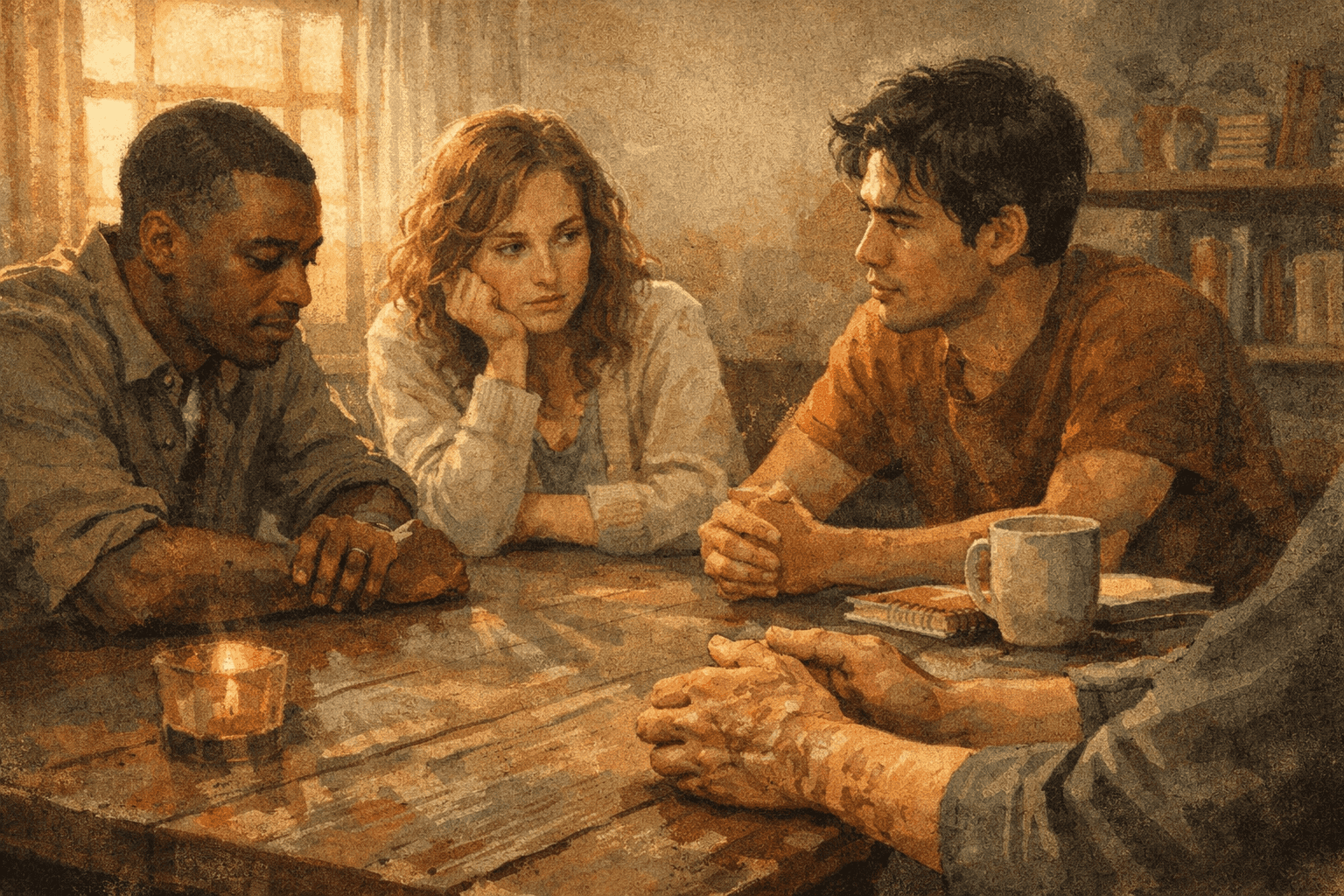
I sat down with members of the Eddie James Ministries team for an honest conversation about calling, obedience, addiction, and what it really costs to follow God when comfort is no longer an option. What unfolded wasn't a polished ministry story. It was a raw look at how freedom is formed through submission, accountability, and choosing obedience before clarity.
This conversation isn't about personalities or platforms. It's about what happens when people stop negotiating with God and start responding to Him.
Why This Conversation Matters
Many people assume that once someone is "clean," the hard part is over. This episode challenges that idea. The stories shared reveal that sobriety is often just the doorway, not the destination. Freedom, identity, and purpose are formed over time through discipleship, community, and daily obedience. That's the core of what I call moving from clean to free.
The men and women in this conversation speak candidly about trauma, addiction, fear, pornography, foster care, and the hidden struggles that often remain long after substance use stops. Their stories point to a deeper truth: transformation doesn't come from trying harder. It comes from surrendering fully.
Hearing God's Call When the Cost Is Real
One of the clearest themes in this conversation is that God's call often comes before the details make sense. Several members of the team describe moments when they knew God was leading them, yet still felt fear, uncertainty, and resistance.
Leaving stable careers, walking away from financial security, and stepping into ministry without guarantees required more than confidence. It required trust. Not borrowed faith. Not someone else's conviction. Personal obedience.
Rebecca left everything she knew to join the ministry after her brother paved the way. She described her parents as Holy Ghost filled, but they wouldn't make the decision for her. She had to hear God for herself. "I heard the voice of God clear," she said. "And I still had to choose whether I was going to obey."
Jayvon was working at a police department in North Carolina. Nothing wrong with the job. But he felt stagnant, like God had something greater. He DM'd Eddie James on Instagram. A week later, he was on a plane to Atlanta with barely a notice given at work. Car payments still due. Phone bill still owed. He said yes anyway.
Calling, as they describe it, isn't something you discover once and then coast on. It's something you respond to daily, often without applause or reassurance. If you're wrestling with whether to share your own story, these conversations might help you find your footing.
If someone you love is in addiction and you don't know what to pray anymore, grab our free guide: 5 Prayers for Families Still in the Fight.
No spam. Unsubscribe anytime.
Addiction Is More Than Substances
This episode widens the definition of addiction in a way that feels both uncomfortable and freeing. While drugs and alcohol are discussed openly, the conversation doesn't stop there.
Pornography, trauma responses, emotional numbing, distraction, and even socially acceptable behaviors are named as potential strongholds. Addiction, in this context, isn't just about what someone uses. It's about what someone runs to.
Rebecca put it plainly: "Anything that pulls you away from God can become an addiction." She talked about deleting apps, catching herself scrolling first thing in the morning instead of praying, spending hours on the road consumed by content instead of communing with Christ. The conviction wasn't dramatic. It was quiet. And it required daily vigilance.
Jayvon shared something he had never spoken publicly before. He was molested by a cousin as a child. That trauma led to a pornography addiction that consumed him through elementary school, middle school, and high school. Five, six, seven times a day. It wasn't about lust. It was about masking pain he didn't know how to face.
"It ruined my mind," he said. "It ruined my relationships. It caused me to act different toward my mother, my father. The enemy knew what he was doing. He thought he won. But I'm victorious."
If pornography is part of your story or someone you love, I did a deeper conversation on how porn creates strongholds and what freedom actually looks like beyond willpower.
Freedom Requires Submission and Accountability
A repeated theme throughout the episode is submission. Not as punishment, but as protection. Freedom didn't come through independence or willpower. It came through structure, accountability, and a willingness to be led.
Aubrey's story makes this painfully clear. He grew up in the foster care system for 18 years. Abuse after abuse. Pills, drinking, dark roads. He ended up homeless, living in his car, suicidal. A woman at a homeless shelter shared her testimony night after night until something cracked open. She encouraged him to enter Eddie James' Dream Life program.
He tried to leave. God said no.
"I fully submitted to His will," Aubrey said. "And from that submission, everything changed."
Blocking software, spiritual authority, and intentional community weren't restrictions. They were tools God used to rebuild trust and character. Jayvon put a blocker on his phone. When asked if that was extreme, he didn't flinch. "Would it be better to enter the kingdom of heaven with one eye than to enter hell with two? I had to cut it off."
This kind of submission requires humility. It also requires letting go of the illusion that freedom means doing whatever you want. In reality, freedom is formed through discipline and truth. That's the engine behind sustaining sobriety beyond rehab.
From Trauma to Purpose
Some of the most powerful moments in the conversation come when the team reflects on how God redeemed their pain. Foster care experiences, physical abuse, sexual trauma, and deep emotional wounds are not glossed over.
What becomes clear is this: God does not waste suffering.
Aubrey's hands were burned by a woman when he was three years old. They should have been deformed. Instead, God gave him a dream. "Don't ever be ashamed. I'm going to use them." Now he designs shirts with Isaiah 44:1 and shares his testimony through media. The very thing that marked him for destruction became the platform for his calling.
The places that once marked them for destruction became the soil where calling took root. As healing took place, purpose followed. Not in spite of the pain, but through it. Chipo Mathis walked a similar road. Her story of healing from trauma as a Christian echoes so much of what this team shared.
Key Takeaways
Sobriety is a starting point, not the finish line. God's call often requires obedience before understanding. Addiction frequently masks unresolved trauma and identity wounds. Submission and accountability are essential for lasting freedom. Acceptable addictions can quietly derail spiritual growth. God redeems trauma and uses it to shape calling and purpose.
If you're past the crisis but still searching for what comes next, the complete guide to rebuilding life after addiction lays out the framework I use to help people move from recovery to restoration.
Watch the Full Conversation
This conversation originally aired as part of the Rebuilding Life After Addiction podcast. You can watch the full episode above or listen wherever you get your podcasts.
About Eddie James Ministries
Eddie James Ministries exists to disciple youth and adults through worship, community, and intentional spiritual formation. Their work often reaches individuals impacted by addiction, trauma, and brokenness, creating environments where healing and transformation can take place through Christ-centered discipleship.
Learn more at eddiejames.com
You’re not alone in this
If addiction has someone you love, talk to someone who’s been there.
The conversation is free and confidential. Justin & Rob answer the phone — both in recovery themselves.
One quiet email a week
New articles and podcast episodes when they drop. No pressure, no spam.
Justin Franich
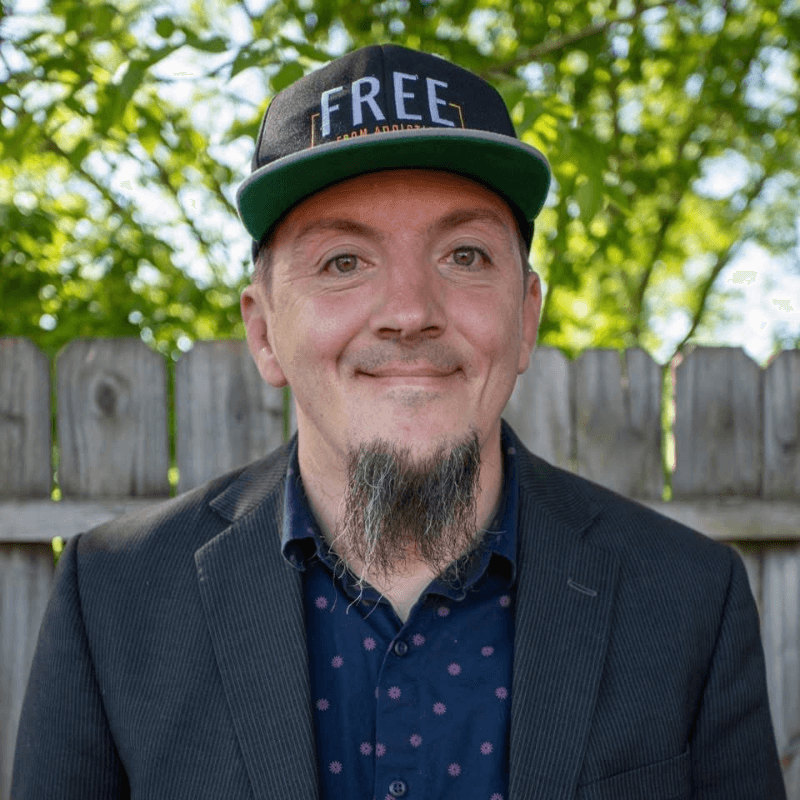
Justin Franich is a former meth addict, Teen Challenge graduate, and pastor who has been clean since 2005. Today he's a husband, father, and Executive Director of Shenandoah Valley Adult Teen Challenge. He hosts the Rebuilding Life After Addiction podcast and helps families across the U.S. navigate faith-based recovery options, compare programs, and rebuild life after addiction.
Read my storyKeep going
Know a family who needs this? Send it to them.
Monthly partners
Articles like this stay free because partners keep them free.
No paywall, no ads — monthly partners cover the writing, the phone line, and the guidance behind every page, so the next family searching at 2 a.m. finds real help.
Become a monthly partner