Field Notes
Fentanyl Addiction: What Families Need to Know
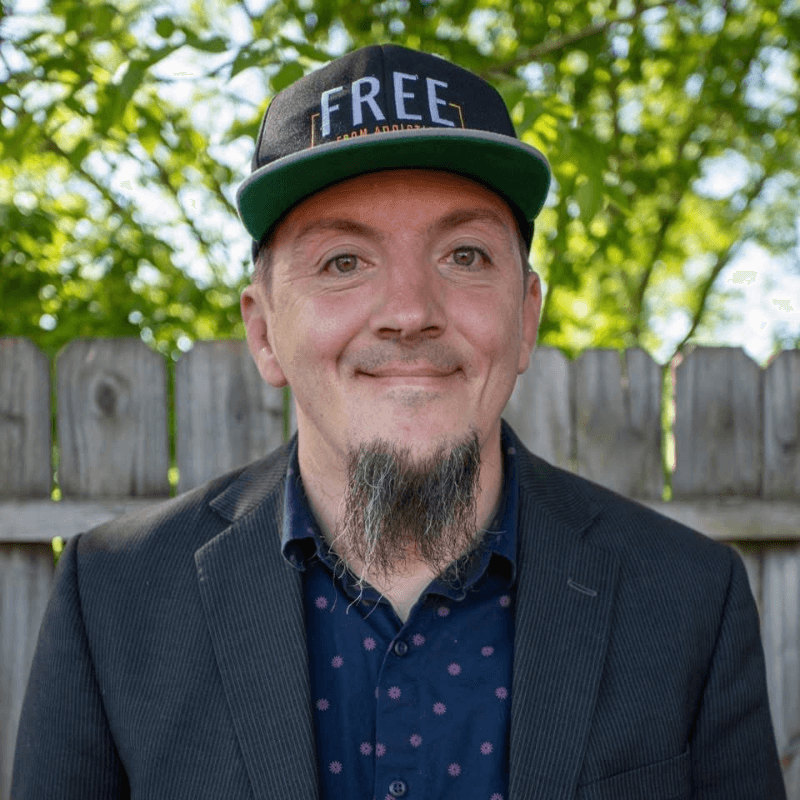
Justin Franich
February 7, 2025 · 16 min read

Nobody prepares you for the moment you find out. Maybe it was a phone call from the hospital. Maybe it was something you found in their room. Maybe it was a look in their eyes that you couldn't explain but couldn't ignore. However you got here, you're here now, and everything online gives you statistics or clinical advice but never tells you the one thing you actually need to hear: this is not hopeless.
This page exists because we've walked this road with families across the Shenandoah Valley and across the country. What follows is the truth about what fentanyl does, why most programs aren't long enough to fix it, and why there's more hope than the numbers suggest.
What Fentanyl Actually Does (And Why It's Different)
Fentanyl is a synthetic opioid. It's 50 to 100 times stronger than morphine. That's not a scare statistic. That's the reason your loved one's addiction moved so fast.
Most people think opioids get you high the way movies show it. They don't. Fentanyl doesn't create euphoria as much as it creates absence. It numbs. It removes pain, both physical and emotional, and replaces it with nothing. That's the hook. Not a rush. A void. Your loved one isn't chasing a feeling. They're running from one.
That distinction matters because it changes how you understand the addiction. This isn't someone who loves getting wrecked at a party. This is someone whose brain discovered a chemical shortcut to stop hurting, and now their entire nervous system depends on it to function.
The numbers behind this are staggering. In 2023, synthetic opioids like fentanyl killed 72,776 Americans. That's roughly 69% of every overdose death in the country. In Virginia, fentanyl was involved in 64.6% of all drug deaths.
But there's another number families need to hear: Virginia saw fentanyl deaths drop 43.6% in 2024 compared to the year before. The crisis is real. It's also not static. Things are shifting, and there are reasons for that.
David Wilkerson, the man who founded Teen Challenge in 1958 while working with heroin addicts on the streets of Brooklyn, called drugs "death on the installment plan." Fentanyl just accelerated the installments.
Signs of Fentanyl Use: What Families Should Watch For
You might already know something is wrong. You just can't name it yet.
The physical signs of fentanyl use include pinpoint pupils, heavy drowsiness or "nodding off" at unusual times, slowed breathing, nausea, and constipation. You might notice your loved one scratching their skin frequently or looking flushed.
Behavioral changes are often more obvious. Secrecy. Missing money or valuables. Sudden withdrawal from family activities they used to care about. Mood swings that don't match the situation. Sleeping at odd hours. Losing interest in work, school, or friendships that used to matter.
Watch for paraphernalia: small squares of aluminum foil (used for smoking), straws or rolled bills, small plastic baggies, or nasal residue. Fentanyl is taken in multiple ways, and the evidence varies.
One thing families need to understand: early fentanyl use can look normal. Opioids don't immediately turn someone into what you picture when you think of a drug addict. There's often a "functioning" phase where they're holding it together on the outside while the dependency is building underneath. By the time the cracks show, the roots are deep.
If you're seeing these signs and wondering whether your loved one needs a program, that's a question worth answering carefully. Don't panic. Don't confront them while they're under the influence. Get informed first. That's what you're doing right now.
If someone you love is in addiction and you don't know what to pray anymore, grab our free guide: 5 Prayers for Families Still in the Fight.
No spam. Unsubscribe anytime.
Fentanyl Street Names and What's Really Out There
If you've heard your loved one mention any of these, pay attention. Common street names for fentanyl include Apache, China Girl, China White, Dance Fever, Goodfella, Murder 8, Tango and Cash, and TNT. There are dozens of others, and they change regionally.
But the street names aren't the real danger. The real danger is contamination.
Fentanyl is being pressed into counterfeit pills designed to look like Percocet, Xanax, Adderall, and other prescription medications. It's being laced into cocaine, methamphetamine, and heroin. Nearly 70% of stimulant deaths and benzodiazepine deaths now involve fentanyl showing up where it wasn't expected.
What this means for your family: your loved one may not even know they're taking fentanyl. A single counterfeit pill with inconsistent dosing can be lethal. There is no "safe" amount of a pill bought on the street.
This contamination crisis is also why fentanyl connects to almost every other drug conversation. Whether someone started with painkillers, experimented with cocaine, or bought what they thought was Xanax, fentanyl is in the supply chain. It's the hidden thread running through nearly every substance on the street right now. Medetomidine is the latest example of fentanyl adulteration.
Why Short-Term Programs Aren't Enough for Fentanyl
This is the part most families don't hear until it's too late.
The National Institute on Drug Abuse, which is the federal government's own research body, has published this finding plainly: "Participation for less than 90 days is of limited effectiveness." That's a direct quote from their Principles of Drug Addiction Treatment.
The data backs it up. Programs lasting 30 days or less show sustained sobriety rates between 15 and 30 percent. Programs lasting 90 days or more: 55 to 70 percent. Programs lasting six months or longer: 70 to 85 percent.
For fentanyl specifically, duration matters even more than it does for other substances. Physical withdrawal takes one to two weeks. But the neurological damage from synthetic opioids takes months to unwind. Your loved one's brain built new pathways around a chemical 50 to 100 times more powerful than morphine. Those pathways don't reset in 28 days.
And the treatment gap is massive. In 2023, 54.2 million Americans needed substance abuse treatment. Only 12.8 million received any. That's not a gap. That's a canyon.
Wilkerson saw this decades ago while working with heroin addicts. He told students: "It took months for you to get into this mess, it's going to take some time to get out. You're not going to get a quick God fix."
He wasn't dismissing God's power. He was respecting the process. The Holy Spirit can deliver someone in an instant, and we've seen that happen. But building a new life takes time, structure, and community. That's why Teen Challenge uses a 12-to-18-month model, not because it's slow, but because the research says anything shorter has limited results, and our experience confirms it. 78% of Teen Challenge graduates remain substance-free after the program.
This isn't about clinical programs being bad. A 28-day detox can save someone's life. But saving a life and rebuilding a life are different things. Teen Challenge exists for the rebuilding. The question is what comes after the crisis stabilizes.
How Jesus Meets the Fentanyl Addict
Every major addiction website will tell you what fentanyl does to the brain. Almost none of them will tell you what happens when Jesus gets involved.
Fentanyl's grip is specific. It's not the spirit of pride, like methamphetamine, where someone believes they're invincible. It's not the spirit of false comfort, like alcohol, where someone drinks to become a version of themselves they can tolerate. Fentanyl carries a spirit of death. Its lie is simple and devastating: "Pain is your permanent reality, and only I can end it."
That lie tells the addict they're already dead. It tells the family there's no point. It tells the church that this one is too far gone.
The gospel says otherwise.
In Ezekiel 37, God takes the prophet to a valley full of dry bones. No flesh. No breath. No life. And God asks, "Son of man, can these bones live?"
That's the question every family dealing with fentanyl is asking. Can this person live? Can someone this far gone come back?
God's answer was to breathe life into dead things. Not to improve them. Not to manage them. To resurrect them.
We've watched this happen. People who overdosed multiple times, who everyone wrote off, who wrote themselves off. And then Jesus showed up. Not always in a dramatic moment. Sometimes it was a quiet Tuesday in chapel when the walls finally came down. Sometimes it was a conversation with a mentor who refused to give up. The method varies. The source doesn't.
John 11 tells the story of Lazarus. Dead four days. Already decomposing. Jesus called him out of the grave. But then He said something the church often skips: "Loose him, and let him go." Lazarus was alive, but he was still wrapped in graveclothes.
That's month two of recovery. The person is alive in Jesus. But the old life is still wrapped around them. Shame. Habits. Trauma. Broken relationships. The community's job is to help unwrap what Jesus resurrects. That's what Teen Challenge does for 12 to 18 months. Not saving people. Jesus does that. Unwrapping them.
The Prodigal Son in Luke 15 gives us the framework for what restoration looks like. When the son comes home, the father gives three gifts.
The Robe. Identity restored. Fentanyl's identity lie is specific: "I am a breathing corpse. Too damaged, too poisoned, to ever be truly alive or loved again." That's different from the shame of other addictions. Opioids make you feel like your body itself has been permanently corrupted. The Robe says something different. "If anyone is in Christ, he is a new creation; old things have passed away; behold, all things have become new" (2 Corinthians 5:17 NKJV). You are not your worst year. You are not your diagnosis.
The Ring. Authority restored. Fentanyl steals something other drugs don't: authority over your own biology. Your nervous system literally revolts without the drug. Your body became a traitor, demanding the chemical just to function. The Ring hands authority back. "The law of the Spirit of life in Christ Jesus has made me free from the law of sin and death" (Romans 8:2 NKJV). That's not metaphor for someone whose respiratory system was hijacked. The Spirit of life overrides the law of death. That's authority the drug can't touch.
The Sandals. Mission restored. Fentanyl kills purpose through erasure. Meth users chase chaos. Alcoholics chase comfort. Fentanyl users chase absence. The absence of pain, the absence of feeling, the absence of existence. The Sandals call someone back into life who was trying to disappear. "We are His workmanship, created in Christ Jesus for good works, which God prepared beforehand that we should walk in them" (Ephesians 2:10 NKJV). Recovery isn't the destination. It's the starting line.
The Scripture that speaks to addiction recovery isn't generic. It's specific. And for opioid addiction, the passages about captivity, exile, rescue from death, and restored sensation hit differently than the standard list of "addiction verses" every website recycles.
What the Church Often Gets Wrong About Fentanyl
If you're a family sitting in a church that doesn't understand opioid addiction, this section is for you.
"They chose this."
The first pill might have been a choice. Physical dependency is not. A body that revolts without the chemical, that sends signals of unbearable pain during withdrawal, that rewires its own reward system around a synthetic substance, is not choosing. It's captive.
Paul described this in Romans 7: "For what I will to do, that I do not practice; but what I hate, that I do" (Romans 7:15 NKJV). He understood that something can take control of the body that the mind does not consent to. The church needs to hold both truths: personal responsibility is real, AND bondage is real. Collapsing into either one without the other fails the family sitting in the pew.
Whose fault is their addiction? It's more complicated than most sermons make it.
"Just pray harder."
Prayer matters. We've seen the Holy Spirit break chains in a single chapel service. But telling a family to "just keep praying" without offering a pathway to real help isn't faith. It's abandonment in spiritual language.
James wrote it plainly: "If a brother or sister is naked and destitute of daily food, and one of you says to them, 'Depart in peace, be warmed and filled,' but you do not give them the things which are needed for the body, what does it profit?" (James 2:15-16 NKJV).
Pray. And then help them find a program. Both.
"If the doctor prescribed it, it's not really addiction."
This one kills people in church pews and nobody talks about it. The majority of opioid addictions begin with a legitimate prescription. Post-surgery painkillers. Chronic pain management. A doctor's signature on a pad.
Wilkerson himself wrote decades ago: "What about the Christian who overindulges in drink on the sly or who has too many prescription drugs that have caused a dependency?" He saw this coming before the opioid crisis had a name.
Paul wrote, "Do you not know that your body is the temple of the Holy Spirit who is in you?" (1 Corinthians 6:19 NKJV). A prescription is not a moral pass. The church needs to teach discernment about medication, not blind trust.
If your church feels like it should be safer than it is for people who are struggling, you're not wrong to feel that way.
How to Help Someone Addicted to Fentanyl
You need different things at different moments. Here's what to do based on where you are right now.
If they're actively using:
Don't confront them while they're under the influence. It won't land and it could escalate. Secure Narcan (naloxone) if you don't have it. Know the signs of overdose: blue lips, shallow or stopped breathing, unresponsiveness. Call 911 without hesitation. You cannot love someone back to life if they stop breathing.
If you just found out:
Breathe. Educate yourself on what you're actually dealing with. Talk to someone who's walked this road before. Contact a ministry like ours that can talk you through options. Don't go it alone.
When they say "I need help":
The window is short. When an addict asks for help, you need a plan ready. Teen Challenge programs across the countryaccept students within days. Know the number before the moment comes.
And if they won't commit to a long-term program but they'll go to a 30-day detox, get them in. Today. Don't hold out for the perfect scenario. Yes, the data says 30 days isn't enough. Yes, we just spent a section explaining why longer programs produce better outcomes. That's all true. But waiting until someone is "ready" for 12 months while they're dying on fentanyl is not a strategy. It's a funeral plan. A short-term program gets them stabilized, gets the drug out of their system, and buys time. Sometimes something happens in those 30 days that shifts their willingness. Sometimes they transition into a longer program from there. But even if they don't, they're alive. You can't disciple a dead person. Get them in whatever door they'll walk through.
What not to do:
Don't enable. Don't rescue them from consequences they need to feel. Don't make threats you won't follow through on. Don't pretend it's not happening because it's easier to look away.
What to do:
Love them without funding their addiction. Set boundaries that protect your household and your other kids. Pray specifically, not just "God help them" but pray the Scriptures over them by name. And when the moment comes, have a plan. Know what program, know the phone number, know the process.
If you're considering whether an intervention is the right step, read that guide carefully first. There's a right way and a wrong way.
Why Teen Challenge Works for Fentanyl Addiction
Teen Challenge is a 12-to-18-month residential discipleship program. Not a detox center. Not a 28-day clinical program. A long-term environment where the Holy Spirit does what shorter programs don't have time for: rebuilding identity, restoring purpose, and teaching someone how to live again.
Wilkerson's conviction when he started the program in Brooklyn was simple: "We humans can work hard for each other, and we should, and we must work. But it is God, and only God, who heals."
For fentanyl specifically, the length matters. The NIDA research says anything under 90 days has limited effectiveness. Teen Challenge gives 12 to 18 months. The 78% sobriety rate among graduates reflects that investment.
But duration isn't the only factor. It's what fills the time.
Work therapy resets the brain's reward system. Fentanyl hijacks the dopamine pathways so that nothing except the drug feels rewarding. In Teen Challenge, students cook, garden, do maintenance, complete projects. Finishing a real task and seeing the result starts to rebuild what the drug destroyed. Normal accomplishment begins to feel good again.
Community living breaks isolation. Fentanyl thrives in secrecy and shame. Living with other students, eating together, praying together, holding each other accountable, replaces the lie that nobody understands with the reality that other people are fighting the same fight.
Chapel and worship go where therapy can't. We've watched people white-knuckle it through weeks of recovery and then break open during a worship service. The Holy Spirit moves in those rooms. Not as a concept. As a Person. And He does things in month six that no counselor can replicate in month one.
The cost is another factor families ask about. Most Teen Challenge programs operate on donations, not insurance billing. comparing TC to clinical rehab is a longer look at how TC compares. Many families use clinical treatment first, then Teen Challenge for the long-term rebuilding.
If you want to know what questions to ask before enrolling, start there.
The Father Is Running
In Luke 15, the son comes home from the pigpen. He's broke, starving, humiliated, and rehearsing an apology he hopes will earn him a spot as a servant. He doesn't expect the father to receive him back as a son.
But the father doesn't wait for the speech. While the son is still far off, the father sees him and runs. He doesn't check whether the son is clean. He doesn't ask about the money. He doesn't wait for the apology. He runs, and he holds his son before a single word is spoken.
That's the gospel for the family dealing with fentanyl. Your loved one doesn't have to be clean first. They don't have to want it perfectly. They don't have to earn their way back. Jesus meets people in the mess. That's what Wilkerson proved in Brooklyn, and it's what families are still experiencing in faith-based recovery programs across the country.
If your family is dealing with addiction and you don't know where to start, we can help you find the right program.
You’re not alone in this
If addiction has someone you love, talk to someone who’s been there.
The conversation is free and confidential. Justin & Rob answer the phone — both in recovery themselves.
One quiet email a week
New articles and podcast episodes when they drop. No pressure, no spam.
Justin Franich
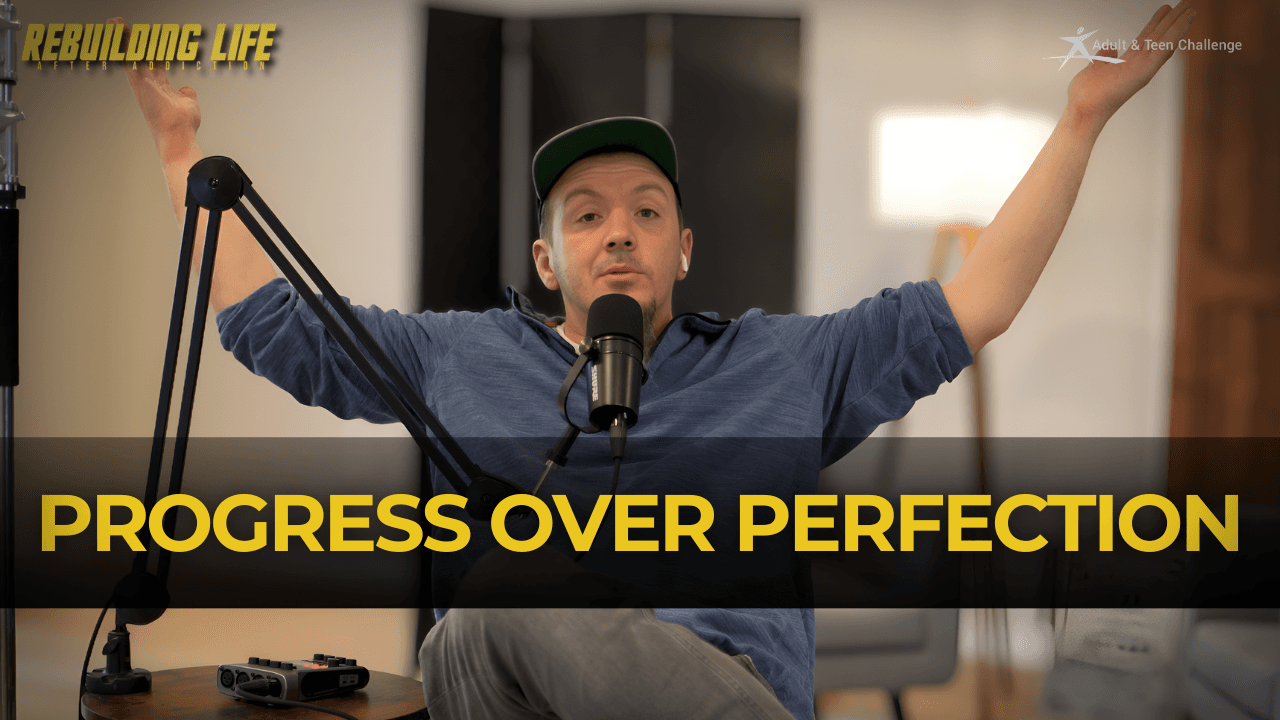
Justin Franich is a former meth addict, Teen Challenge graduate, and pastor who has been clean since 2005. Today he's a husband, father, and Executive Director of Shenandoah Valley Adult Teen Challenge. He hosts the Rebuilding Life After Addiction podcast and helps families across the U.S. navigate faith-based recovery options, compare programs, and rebuild life after addiction.
Read my storyKeep going
Know a family who needs this? Send it to them.
Monthly partners
Articles like this stay free because partners keep them free.
No paywall, no ads — monthly partners cover the writing, the phone line, and the guidance behind every page, so the next family searching at 2 a.m. finds real help.
Become a monthly partner