
Rebuilding Life After Addiction · April 15, 2025 · 30:04
He Lost His Family to Meth - Then God Restored Everything
with Matthew Vi
Matthew Vi is a preacher's kid. By 20, meth addiction was running his life. He did nearly three years in prison in Harrisonburg. Rock bottom hit when his wife moved an hour and a half away with their daughter. His breakthrough was slow. Studying the Bible. Day after day. God sent him a mentor named Neil. As of March 2018, Matthew had seven years sober, and he refuses to call himself an addict anymore. He calls himself a new creation.
About Matthew Vi
Matthew grew up in a ministry home and battled meth addiction through his twenties. After nearly three years in prison, he found freedom through Christ. He has been clean since March 2018 and now lives with his wife and two children.
If this episode hits home
New episodes, straight to your inbox
One quiet email a week. No pressure, no spam.
Read the full transcript
Intro: son grows up in church and ends up addicted to meth
What do you do when your son grows up in church and still ends up addicted to meth? Today, I'm sitting down with Matthew Vi, a husband, a father, a man who lost everything, but found new life in Jesus. His story's not about mess or prison, but it's about a God who doesn't quit even when we do. If you're a parent, praying through praying, a spouse, stuck in survival mode, or someone who's clawing their way through recovery, this one's for you, let's dive in.
Do you wanna introduce yourself real quick and then we'll just jump into, jump into the conversation? Oh, yeah, my name is Matthew Vi. I'm a born and raised believer. So we got my life together now and I'm a child of God. Amen.
Growing up in a ministry home and first experiments in eighth grade
So I wanna dive into some of maybe your backstory on figuring out how you ended up getting to the place of addiction and dealing with that battle. And from what I know about your family, right? You grew up around church. You guys were hyper involved, you know, and I mean, what was that like growing up in a ministry home?
You know as a kid. Well, honestly, it was very, I say I had a really good childhood. Like I have no complaints. Like I had a lot of friends. I was close with my brothers and even my cousins. Like we all ran around together as kids, our whole entire lives.
And then it was kind of more so like a snowball effect for me personally. Like it didn't start out with the hard crazy drugs at the beginning. Like, you know, you kind of get to sports was always involved with me and all my friends. So you get to kind of eighth grade where you can start playing high school sports as a JV. And then that's where it kind of started going to parties, getting older, being 13, 14 year old as a teenager, hanging out with older kids too.
Snowball effect from pot to pills, cocaine, and meth
And then just jumping back and forth, kind of playing that fence line. But yeah, I mean, I grew up in church. Were your parents pastoring like when you were younger? Your dad? So your entire life, your dad's a pastor. Yeah, my whole life, I've been in church. And I think that had a big part in me not getting too far gone so young so quickly. And which helped bring the transition for me, I think a little bit easier in getting back to where I need to be.
Yeah, I grew up in a ministry family as well. Like my mom and dad were, even before they were full-time ministers, like we were hyper-involved. First ones in, last ones out of the church, always growing up. And so I kind of go down that road because people hear that and they're like, oh, preacher's kid, right? And like, there are two, there are two stereotypes around preacher's kids. Like either like, you know, perfect, everything squared away or like where are the hellions? Like where the absolute worst, you know.
So you talked about eighth grade playing sports. Like when did the first experimentation start? Do you remember like when you first tried drugs for the first time, what kind of pulled you in, you know, around that season of life? Well, the first thing I ever tried was, you know, the what they typically call the gateway drug, right? Smoking pot. Yeah. And I mean, alcohol was always involved with drug use for me as far as that goes. But I mean, yeah, I was, I want to say 13 years old, eighth grade, having so many friends and being so social and just watching movies and going to public school and just being around other kids and you kind of, you kind of just follow the crowd and the swing of things when you're out and about with kids or at parties and this and that.
And then one thing's end up leading to another. So would you say it was more just kind of, this is what the group is doing. And so I'm just gonna do, do what the group is doing. It was always kind of like, at least with me and my friends and even my brothers and my cousins and stuff, it was always more so like, there wasn't one person that was really like, oh, we gotta do this. Yeah, I mean, it was more of like a group kind of like, oh, this might be fun. Yeah, let's try it.
And so let's talk about the snowball effects a little bit, right? As your, your eighth grade, you're kind of experimenting with pot and whatnot. Like, when did it progress? When did it become more than just, I'm doing this to hang out with the boys and to fit in with the crew to, like, you started the statement out saying, I've been had it, right? You know, so there was a progression there, I'm assuming. Yeah, definitely. Yeah, that's where I do think, I do have that addictive personality tendency to where when you, I do try something that I do enjoy, it's kind of all or nothing for me. And I mean, it's kind of been that way.
Now, looking back, being older since I was very young, because once the time me and some of my friends and our group of people we all hung out with, tried pot and enjoyed it, it became pretty much a regular thing on the weekends, at least. You know, and going to parties isn't that. But I'd say the transition to anything harder would have been, 10th, 11th grade, it was to like, you know, years gradual for me. Yeah. I mean, it was pot and then pills. And then I think first time I tried cocaine was 11th grade. And like 11th, 12th, junior senior in high school with cocaine and ecstasy, Molly, stuff like that. Yeah. So yeah, literally a snowball. That's why I like to call it snowball effect, because it was just trickling. Yeah. And I was still going to church the whole entire time. And going to school, I made good grades, you know, but that's, I have to like how the enemy also likes to attack you as a young kid, because you don't think you're creating these real bad habits that's going to turn into something you do every day, that's an even harder drug and then can potentially land you in prison or kill you.
Hey, before we jump back in, I want to tell you about Team Hope. It's a simple way to put the hope of Jesus within reach of families that are battling addiction for just $30 a month or $1 a day. Your support helps create more conversations like this one, reach more people with stories of freedom and walk with families who feel like they're out of option. If you've been blessed by this episode, would you pray about joining Team Hope today? You can sign up at sbtc.info, forward slash team hope or click the link in the description. That's sbtc.info, forward slash team hope or click the link in the description. Thanks so much and now back to the episode.
No, eventually as I got older, I tried meth, I think, 20, more somewhere around there and that became my drug of choice was, I call it meth, yeah. So during that process, when did your family first start to recognize that there was a problem like was all of this going on? Was it during high school or later on in life? And I mean, and how did they react when they first found out that you were struggling with substance abuse? I mean, they definitely called us, because me and my brothers were all really close in age and we got, I mean, they called us on the weekends and high school and stuff all the time and then we'd be grounded, couldn't go anywhere for a while, you know, the whole high school, you know.
But I mean, yeah, they were very upset. But then once they found out it became, like in my 20s when it got harder and they knew that, cause I mean, you can't hide doing meth. You know what I mean? Like you just can't hide it, it changes everything. So once they saw that, it changed in me, my behavior, my body, it was definitely really hard on them. But they still never, I love my parents to death for everything they've done and been through for me and my family and I can't thank them enough because they never, they never quit on us. Well, yeah. But it was definitely over all across the ride for them, I'm sure.
Family relationships, boundaries, and legal consequences
So how did that start to affect like your relationship? Like let's just say with your brothers, so to speak, like with all of this going on where you guys engaged in the party lifestyle together. Yeah. Okay, yeah, all of us. Unfortunately, it took its toll on my brother relationships. Me and my younger brother, we all, and our relationship was also like a roller coaster. So just because when you mix drugs into relationships, it's gonna affect them negatively, even if you're partying and stuff together or doing even like the business side of it together, which is terrible also, but everything is always up and down.
One minute you hate each other, the next minute you love each other and it's just, I mean, yeah, there came a point in my life where I literally had like nobody, like odds ends with everyone. And this is all because of drugs. Yeah, there's certainly that tension. I mean, my older brother robbed me for $1,000 once and I'll never forget that. You know, it's like, and he told me afterwards, like I was doing you a favor, I was looking out for you a little bro, I didn't want you to kill yourself. I'm like, you liar. You were so, but those relationships do get dicey.
So how did your relationship with your parents? Like how was it during, you know, some of the worst of your addiction? I mean, I mean, you said they never gave up on you, but I'm sure there was some moments of tension, right? We even was trying to help, you know, like in the frustration, the family's experience, when I mean, they're trying to do the best for us, they're trying to help pull us out, but also there's that really, really fine line that we have to walk loving and add it between loving and caring versus enabling. And like as much as I've read about it and as much as I've talked about it, I don't think anybody ever gets it right.
Like a lot of times you say the word enabling and people think you're trying to be judgmental and what not, it's like, it's like no, like I get it, like I'm really good at holding boundaries with the people that I serve in the recovery program, but like when my brother and sister were struggling, dude, I sucked at those boundaries throughout the window and so just curious how that dynamic played out with your parents. Like I would say, I mean, I know it's a real fine line between loved ones and helping and catering or whatever you wanna call it, you know what I mean? But I mean, that's a hard question honestly, but I would say there did become a time where things did get so bad between me and some of my brothers were like, we couldn't all stay at the house together there just because things were gonna not go well, you know what I mean?
So yeah, I mean, they did everything they could for me, but there was a time where I wasn't allowed to be at the house if both of my other brothers were there too, just because things weren't good between all of us. Yeah, so your parents are left in the situation having to keep the peace? Yeah, 100%, yeah. It was really rough. But at the same time, like always knew I could come home if I absolutely had to and that phone call could be made, because I ended up getting in trouble with the law. So I did almost three years in prison.
So, and they were there for me throughout the whole life. You been saying what that was for? Drugs. Drugs, I got possession with intent. Okay. Yeah, and the city of Harrisonburg. So you ended up doing three, almost three years. Yeah, yeah.
Wife's ultimatum, rock bottom, and turning back to Christ
So thinking back to your parents, did you made a statement earlier? You said, man, they never stopped loving me. They never gave up on me, right? Years later, you're married, you've got a kid. How does your, the way your parents responded to you, the grace, the compassion that they showed on you? I mean, how does that impact the way that you parent? I know your kids are young, girl, and we're not talking about all these problems, but just, but just in principle, you know?
I mean, I understand it now, being a parent and just having, I have a seven-year-old and almost two-year-old. So I definitely understand where that love and compassion and why they did give me so much grace, for sure. But also, no, in no way shape of form were in my decisions, their fault at all. Like they did everything they could. But I almost think now, looking back on things I got away with and was able to sneak around and know what I know about myself.
And now I have to look after my offspring to where I think I'm gonna be, probably more of a controlling parent than they were, for sure. Yeah. And I think that's something, like I wonder, because I thought about that with my parents a lot, because the world they grew up in, versus the world we grew up in, versus the world my kids are growing up in. And it keeps changing. Things are even different now than they were. It's crazy.
So it's like the things that I'll probably be anal about that were a struggle in my generation. Like, how is that gonna be different for my teenage daughters growing up? I mean, was there a lot of people talk about a rock bottom moment, right? And there's these moments where some people have them and they're very sudden. Some people tends to be maybe more of a slow transition, but there's this moment where it just kind of clicks, right? That I just can't do this anymore. Do you remember what that moment was for you and what ultimately was your catalyst to start changing your life after all the stuff that you walked through?
So this was after I'd already been in trouble with the law and I hadn't been sentenced yet, but I'd gotten out on bond. And I was going to these outpatient rehab classes, basically, you know, just try to get clean this and that, but I was still struggling. I was like even out on bond going to see a pretrial probation officer and then these drug classes, like I still slipped up here and there. And then my wife, it was, we already had one daughter and my relationship with my brothers and stuff was already really rocky.
My relationship with my parents still wasn't great because you know what I mean, I'd already gotten in trouble and I still, I'm not, still not completely walked away from the whole lifestyle, but my wife had done had enough now. So in her parents lived in Page County from where we were staying and where her job was, and it was like an hour and a half drive. And she chose to not stay with me anymore and take my daughter, our daughter together and go stay at her parents house and said she wasn't coming back until I put it behind me and that was the rock bottom for me.
Because I mean, all my real friends, I didn't even talk to you anymore. All I had was party friends, but I'm trying to get out of the lifestyle. My relationship with my brothers was trash and my parents, everything was still rocky because they fully don't understand addiction. You know what I mean? And I don't blame them at all, but that was it, my wife for me was, and I don't know why she didn't do it soon or honestly, but when you love someone, I'm sure it's really hard and it was finally like, all right, Matthew, you're on your own now because I'm not going to keep walking through the mud with you when you know what I mean.
So during the real intense parts of your addiction, it sounds like your wife was more present, kind of experiencing more of that than your parents were at the time. Yeah, she was there with me the whole time. Okay, yeah. I mean, not participating or anything like that. She wasn't involved in any of that, but from the support of family, yeah, yeah. Well, so that moment, she, I mean, she basically, I get it together or we're done. Yeah, and was not coming back until I had some clean time under my belt and this and that.
And she is, I mean, she was knowing I was going to go, we knew I was going to go to jail or prison, we just didn't know for how long because there was no way to get out, and we all knew that, but she even still was like, you know, get it together and I will come back, but if you don't, like I'm not sticking around to watch you keep using. So there's a difference right the way I see it between sobriety, right? Sobriety, anybody can have that. But there's also the relationship with Christ, right? And we're the more breaks through.
And when did that happen? Like when did God, like the seeds were planted, right? I grew up in a ministry home and you alluded to that earlier. I think the reason I didn't go as far as I went was because of the stuff my parents invested in me. So when in the middle of all of that, did you have your revelation that I need to go back, I need to turn back to Christ. Like I need to get serious about my walk with him. Right, and that was a slow process for me too.
Once she left, you know, I sat down with my parents and started going to this Bible study with him. I still went to church every Sunday, but I really just started getting into watching preachers preach on YouTube. And I mean, getting in your Bible is pretty much the best way that I found. I mean, getting people sowing into you and then worship and then reading, I mean, out of the three ways to feed ourselves of the Lord, right?
So, and there was this one man who definitely had a big part in all that name for all that transition for me and his name was Neil. And he was just a friend of my dad's going to the church and a great man of God and just decided to so see more into me for some reason. I mean, God put him there for a reason, obviously. And he was a big part of just like a spiritual father, guidance for me in that beginning time right there to really push me the way I need to be pushed to really focus on the Lord at that beginning stage again.
Prison, coming home during COVID, and rebuilding
So, all this has taken place. The Lord's starting to subtly work when you, you've got to experience some time in jail and whatnot. It was really weird to have this. It is a lot. It's a lot going on, man. It was really a lot going on. When was it clear that your wife was going to stick that she was coming back? Like, when did you, if you once it went by and then she came back? Okay. Like, she came back and we were together again in the same house and like, you know, she wasn't staying in her parents so much. She was staying with me and my parents.
And, but we still hadn't been sentenced yet and we were still just kind of away in. And then, I mean, even throughout my sentence, she stayed the whole time like we were still together. I mean, nothing was perfect throughout that time. Things, being in a relationship with somebody who is doing three years and almost three years in prison isn't easy. So, I mean, we still had a rocky road too, but I definitely got a foundation laid in Christ, being clean too, like some clean time under my belt before I went into prison and I had my wife and my parents both support going in throughout that whole time, which made that easier for me.
But it was still, yeah, very difficult. And it's still the devil likes to creep in and make doubt in your head and there also. And I mean, if anyone who's ever done time in prison, you know that, I mean, you can still get high in prison. The whole entire time. Yeah, if you choose to, right? Yeah. So, what did that, what did that do for you? I mean, internally, like when you realize that, I mean, she's hanging in there with me. Like, right, like that is uncommon. Very. It would have been easier to give up on you. And I mean, how did that impact and shape your determination? Like, I'm gonna do this. Like, I'm staying in the course with this whole thing. It's worth it.
Yeah. I mean, it definitely helped, man. Like, she's been my rock throughout this whole time. And it definitely probably saved my life, my kids. Just because I mean, being a serious drug addict and mixing so many drugs all the time together, I mean, you could overdose or get into car crash or anyone can get it anytime. Like, we're not promised, but yes, you played probably the biggest part in all of it helping me. Yeah, it's so good, man.
I love to dive into that and ask those questions because I think sometimes we don't realize, even if we don't feel it, the impact of our actions or our support toward other people, right? Like that phrase so in seeds, you know? And I think people that are our trap, I mean, we do feel it. Like, we do feel we do realize that when people are making those decisions, and sometimes not until we get sober, do we realize the depth of their sacrifice? Yeah. Right?
And yeah, going, being on the other end of it, doing the stuff to the people you haven't know either, really what you put them through until you're on clean or on the other side and then seeing it be done from another point of view. Yeah. So you did your time, man. You come out and what was that rebuilding process like, not just with your family, kind of being back home, getting back into the rhythm, you know, husband and dad, and you're finding employment and all of that, like, what did that process out of that play out for you?
Because I got out seven weeks early, 49 days early, low and good behavior. And the only reason they did that is because of COVID. Right. Like, getting people in and out for, you know, cycling through and just germ-wise and COVID is basically like a COVID early release thing. But you can't get that unless you're on good behavior. And I was on good behavior because I went in seeking the Lord. Yeah. Yeah. So, and then I come home, yeah, to a ghost town, man. Everything was shut down. It was weird. Yeah.
And then you come home and you feel weird anyway, just anxious, nervous for no reason, like anxiety. Like still being your Christian, you still get all those feelings. But if you're filled with Jesus and Holy Spirit, you even just deal with them better. Yeah. In my point of view. So, yeah, I mean, it took me a few months to find a job. And then I got a job. I worked at Finko, which was a countertop company. And that was good for a while. I did that for a couple of years. And then got a better job. And I'm still there now and actually got the job because of my older brother. Yeah. So awesome. Yeah, just blessings on blessings.
Seven years clean, faith reshaping identity, and a message of hope
So after the rebuilding and all that, man, like you said, how long have you been clean now? Yeah, the. Well, my last use date was March of 2018. Okay. So that's what. Seven years? Seven years. Yeah, how does that feel? Great, crazy. Like it's really crazy when you start to put it in the words and think about it and say it. But I mean, now, you know, you get to a point to where you kind of just don't remember or think about it like that anymore.
But then once you start talking about it, you're like, man, seven years is a long time. Like I haven't went even close to that because I started when I was 13. Right. And I'm 32. Yeah. Yeah, that's wild, man. I mean, think about that. But I think the cool thing about that about like breaking it and beating it early, right? It's like, you got a whole life left now, you know? And, man, I don't know. Maybe we are living in a different time. Like, with, like, I'm glad I got out before fentanyl became a thing. Yeah. Cause there's no question I wouldn't be here today. Right. Like with all the stuff that I was dabbing into and I've lost friends, you know, I've lost. Fortunately, that's the bad part of that lifestyle we live in. You're definitely going to lose people.
Yeah, it's crazy, man. And I think one of the things back in the day, we would see like life-time drug addicts, people that have been doing it for 30, 40 years. And those folks don't seem to exist as much anymore because of the world we're in. And it's sad, man. And so, man, I love, I love hearing your story. I love hearing the progression and your wife's commitment, right? Your whole journey is phenomenal. And it seems like that's a theme, right? And your life and your story, parents who don't give up, a wife who just won't wait. And like, if you didn't seem like you had a choice but to find Jesus in all this, you know? Yeah.
With everybody. You can even still, everything I went through was like, he was always there, man. Yeah. Always there the whole time. And it's just waiting on you to accept him. Yeah, that's so good. And so, I mean, on the other side of this, now, man, like, how would you say, what's the biggest piece that Jesus has reshaped your life? Like, who you are today versus who you were back then? Like, if you had to put a few words to that, how would you describe that?
Man, that's a really good question, but. I don't know. Who I am today versus who I was in, I think a lot of my personality and stuff is still kind of the same. I'm more targeted towards in more conscious about my decision-making, you know what I mean? Try to be more responsible in the things I am doing and not doing. And I mean, I'm still learning. I'm definitely not perfect and I don't claim to be perfect whatsoever at all. Still learning myself.
And that's another thing I'm still, I really would like to pursue in my heart, lies and ministry, of course. And I wasn't especially in addicts. I mean, I've been there, done that, I've beat it. I would say, that's why claiming you're a drug, like I'm an addict. I mean, I say that just to let people know that I went through that, but I'm not, you know what I mean? That, I don't know how to work it correctly, but I don't claim that no more, I claim Jesus. Yeah, I just want to do that, you know what I mean? What's that old creation, old man, new man, right? Right, exactly, right. And when we're in him, we're new creations, born again, he knows what the scripture says, and it's on.
Yeah, get it, like we use the shared language, like, I don't even like the word recovery. I'm a discipleship person, but I use it because people understand it. And that's cool, man. So, one final question, man, just to kind of wrap this up and put a bow on it, like, to the watching wife are pairing out there, right? And they're listening to this, they're here in your story and encouraged by it, like, man, what would you say to somebody, you know, and maybe even clear headed where you're at now? What do you wish somebody would have said to your wife back in the middle of all of your mess, you know? And maybe they didn't need to say anything, but you know, just encouraging those parents out there, or the spouses.
Yeah. I'll say your shirt says it. Hope, man, just don't give up hope. I mean, obviously, you really love them and care about somebody, and it is beatable, 100%. Just steer them to Christ and try to do the best you can with the circumstances you're given, but yeah, if you really love them, just steer them to Christ and don't give up hope, because there is a way to beat addiction, for sure. And I mean, number one, it's Jesus Christ. And then a good support system. Yeah.
How did things change with your parents? Because I know you're a lot about losing, having a loved one on addiction is like watching them die, but they're still alive, they're still breathing, you know, a completely different person. And like, was there a moment that you would say that your mom and dad were kind of like, man, I got my son back? Yeah, I would say the moment was once my wife left, and then I started really diving into the Lord, and they slowly started seeing the changes in me, and all that.
I would say it was then, and then also when I came home, because I mean, I'm sure they still had their doubts, you know what I mean? Just because me doing something for so long, there's always that seed in the back as someone's head like, well, is he gonna come home from prison the same person? Yeah. And then I came home and I was and still doing right and doing the best I could with the situations I was given and never falling off really and just staying on track. So yeah, I'll say it was a combined of before prison and then right after prison, they definitely were definitely feeling like they finally got me back.
Yeah, that's good, man. Well, I appreciate it, man. Thanks so much for sitting down and talking and sharing your journey, man. You know, it's probably went into this whole thing, and we were gonna talk about parents, but you started to share your wife's commitment through all that and just like, whoa, you know, I can't, I can't avoid it. That's pretty awesome, man. And congratulations. Thank you. Seven years is a big deal, right? And on, I think that's one of the things we never stopped celebrating. Like, all these years later, yeah, it's been years since I used last.
But that day comes around. A Facebook memory pops up from where I posted it before and I'm like, I'm like, thank you, Lord. You know, just every year is just, it really is a beautiful thing. Yeah. And thank you guys for watching and tuning in to another episode of the podcast. Man, if you enjoyed this episode, please like it, subscribe to the channel, drop a comment below, let us know maybe your thoughts. If you've got somebody, a loved one that you're praying for, I'd love to have you drop that in the comments and we'll join you in prayer. And I appreciate you guys tuning in to another episode of Rebuilding Life After Addiction. God bless.
Hey, it's just in front of you. I just wanna take a moment and encourage you. If you're not already subscribed to the channel, please click the subscribe button below, like the video and leave a comment. Your engagement with these videos helps ensure these conversations get to people who need them.
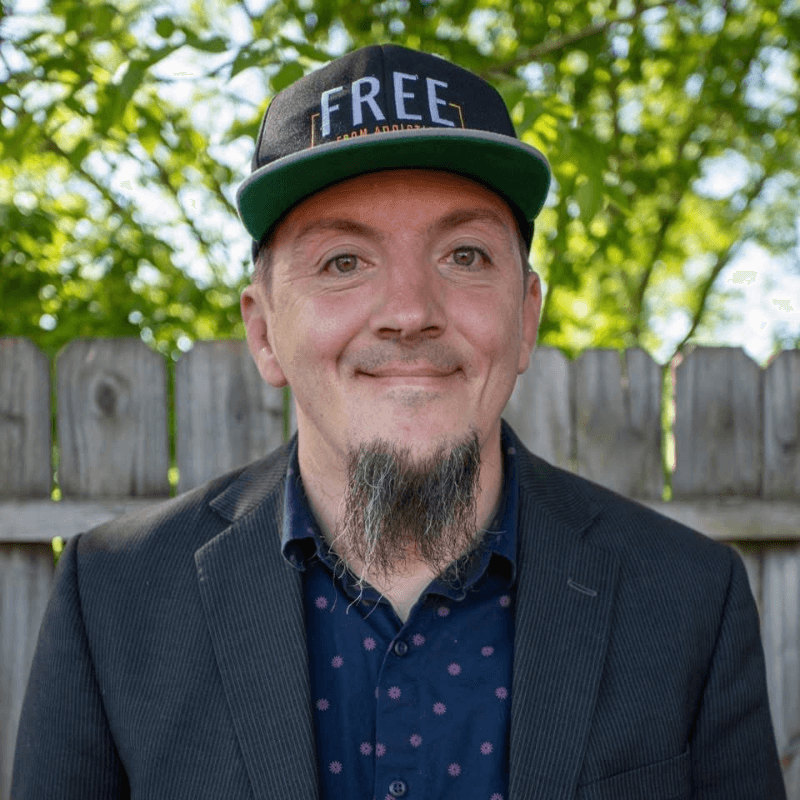
Justin Franich
Justin Franich is a former meth addict, Teen Challenge graduate, and pastor who has been clean since 2005. Today he's a husband, father, and Executive Director of Shenandoah Valley Adult Teen Challenge. He hosts the Rebuilding Life After Addiction podcast and helps families across the U.S. navigate faith-based recovery options, compare programs, and rebuild life after addiction.
Read my storyKeep going
Monthly partners
Episodes like this stay free because partners keep them free.
Monthly partners cover the studio, the phone line, and the family guidance behind every episode — so the next family searching at 2 a.m. finds real help, not a paywall.
Become a monthly partner