
Finding Help
7 Myths About Teen Challenge (And What's Actually True)
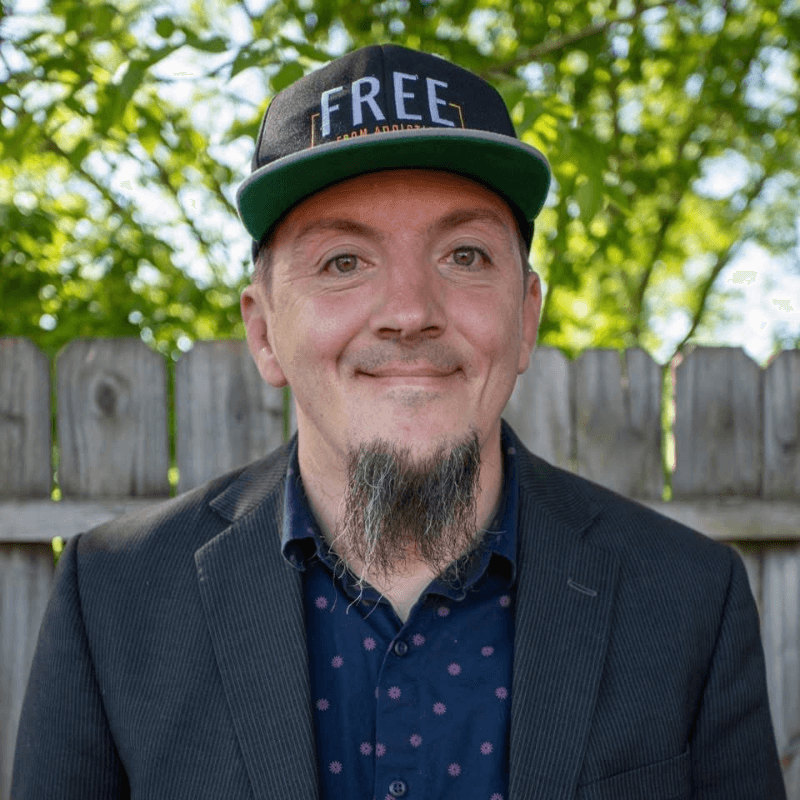
Justin Franich
August 1, 2025 · 10 min read

Every week, families call us with questions shaped by something they read online, heard from a friend, or picked up from a well-meaning pastor who knew someone who knew someone. Some of what they've heard is true. A lot of it isn't.
Misinformation costs families time they don't have. A mom dismisses Teen Challenge because she heard it's only for teenagers. A dad assumes they can't afford it because someone told him about hidden fees. A wife crosses it off the list because she read on a forum that it's basically a cult.
At SVTC, we spent 16 years running residential programs and many more helping families navigate the recovery landscape. We've heard every myth in the book. Some contain a grain of truth wrapped in layers of misunderstanding. Others are flat wrong.
Here's the honest truth behind the most common myths we encounter.
Myth #1: Teen Challenge Is Only for Teenagers
The name causes this confusion constantly. "Teen Challenge" sounds like a youth program. It's not.
The ministry was founded in 1958 by David Wilkerson, who started working with gang members and drug addicts in New York City. Many of those early participants were teenagers, hence the name. But the organization has served adults from the beginning and continues to do so today.
Most Teen Challenge residents are adults. The typical age range runs from early twenties through fifties, though programs accept people as young as 18 and have no upper age limit. We've seen men in their sixties find freedom through these programs.
The name stuck for historical reasons, not because of age restrictions. Adult & Teen Challenge (ATC) is the current branding many centers use to clarify this, but the confusion persists.
If your loved one is an adult, don't let the name scare you off. For details on Virginia programs specifically, see our Teen Challenge Virginia overview.
Myth #2: It's Free, But There Are Hidden Fees
This one has a grain of truth buried in misunderstanding.
Teen Challenge programs are dramatically more affordable than clinical treatment centers. A 30-day rehab facility might cost $20,000 to $50,000 or more. A 12-month Teen Challenge program might cost $5,000 to $15,000 total, depending on the location. Some centers operate entirely on donations and charge families nothing.
That's not a typo. The cost difference is real.
But "affordable" and "free" aren't the same thing. Most programs have some financial expectation, whether it's a monthly fee, a one-time contribution, or a commitment to fundraise. The specifics vary by center.
The "hidden fees" accusation usually comes from families who didn't ask the right questions upfront. Prescription medications, dental work, eyeglasses, and personal items typically aren't covered by program tuition. These aren't hidden. They're just not included, the same way a college tuition bill doesn't include textbooks and toiletries. Teen Challenge cost page.
If someone you love is in addiction and you don't know what to pray anymore, grab our free guide: 5 Prayers for Families Still in the Fight.
No spam. Unsubscribe anytime.
Myth #3: It's More Like Boot Camp or Punishment Than Recovery
This myth often comes from people who visited a program decades ago or heard secondhand stories from someone who didn't finish.
Adult Teen Challenge programs are structured. Residents wake up early, follow schedules, do work assignments, and live under rules. For someone used to the chaos of active addiction, this feels restrictive. Some people call it "boot camp" because they've never experienced healthy structure before.
But structure isn't punishment. It's protection.
Addiction thrives in chaos. Early recovery requires external scaffolding while internal discipline develops. The schedule, the accountability, the expectations: these aren't arbitrary. They're designed to create an environment where transformation can happen.
The difference between boot camp and Teen Challenge is the goal. Boot camps break people down to rebuild them as soldiers. Teen Challenge programs introduce people to Jesus and disciple them into freedom. The structure serves the discipleship, not the other way around.
Myth #4: Success Is Guaranteed If You Finish the Program
We wish this were true. It's not.
Completing a 12-month program is a significant accomplishment. Graduates leave with spiritual foundations, life skills, accountability relationships, and momentum. They have a real shot at long-term freedom.
But graduation isn't a guarantee. Recovery is a lifetime commitment, and some graduates stumble. Some relapse. Some walk away from everything they learned.
Anyone promising 100% success rates is either lying or defining success in ways that hide the failures. Be skeptical of programs that claim guarantees. Addiction is too complex and human will too fragile for certainties.
What we can say: graduates who stay connected to church, maintain accountability relationships, and continue the practices they learned in the program have far better outcomes than those who don't. The program provides the foundation. What the graduate builds on that foundation determines the trajectory.
For an honest look at outcomes, see our article on Teen Challenge success rates.
Myth #5: There's No Aftercare or Long-Term Support
This myth comes from a misunderstanding of what aftercare realistically looks like in faith-based recovery.
Here's the honest truth: many families specifically want distance between home and the residential program. A mom in Northern Virginia might send her son to a program in Texas precisely because she needs him away from old friends, old dealers, and old patterns. That's wise. But it also means the program staff can't exactly pop by for coffee once a month after graduation.
Hands-on aftercare from the program itself is frankly difficult to execute when graduates scatter across the country. Some centers do better than others. Some have alumni networks, check-in calls, or transitional housing nearby. But the logistics of a Virginia-based program providing meaningful ongoing support to a graduate who moved back to Ohio are challenging.
This is why we tell families the same thing over and over: aftercare is best accomplished through a strong connection to a local church.
The program provides the foundation. The local church provides the community. Graduates who plug into a healthy congregation, find accountability partners, join a small group, and stay connected to believers in their hometown have far better outcomes than those waiting for a phone call from program staff 500 miles away.
The question to ask isn't just "what's your aftercare program?" It's "how do you help graduates connect to churches in their home communities?" That handoff matters more than any alumni newsletter.
At SVTC, this is actually central to what we do now. We help families think through the church connection piece before the program ends, not after. Because graduation without a church home is a setup for isolation. And isolation is where relapse breeds.
Myth #6: It's Not for Women (or People with Trauma or Mental Health Issues)
Teen Challenge programs serve both men and women, though typically in separate facilities. Virginia has centers specifically designed for women, including Beauty for Ashes Women's Center, which offers trauma-informed care within a faith-based framework.
The myth that Teen Challenge can't handle trauma or co-occurring mental health issues is more complicated.
Here's the honest truth: Teen Challenge is not a clinical treatment facility. Programs don't have psychiatrists on staff. They don't prescribe medications. They don't offer intensive therapy for complex PTSD or severe mental illness.
What they do offer is long-term discipleship in a structured environment with spiritual formation at the center. For many people, including many with trauma histories, this is exactly what they need. The 12-month timeline allows space for wounds to surface and healing to begin in ways that 30-day programs simply can't accommodate.
But if your loved one has severe psychiatric conditions requiring ongoing clinical oversight, active psychosis, or needs that require licensed clinical intervention, Teen Challenge may not be the right fit. Or it may be the right fit after clinical stabilization. Every situation is different.
Good programs are honest about their limitations. Ask directly: "Is this program equipped to serve someone with my loved one's specific needs?" A trustworthy center will tell you the truth, even if that truth means referring you elsewhere.
Myth #7: Graduates Always Relapse Eventually
This is the cynical flip side of Myth #4. Instead of promising guaranteed success, it assumes guaranteed failure.
Neither extreme is true.
Some graduates relapse. Some don't. The percentage depends on how you define success, how long you follow up, and which graduates you're counting. Statistics in addiction recovery are notoriously slippery because people disappear from contact and definitions vary.
What we can tell you from 16 years of running programs and many more years of staying connected to graduates: lasting freedom is possible. We've watched men and women celebrate 5, 10, 15 years of sobriety. We've attended their weddings, met their kids, and seen them lead recovery ministries themselves.
Relapse is common enough that every family should prepare for the possibility. But it's not inevitable. And when it happens, it's not the end of the story. Many people who eventually find lasting freedom stumbled multiple times along the way.
Myth #8: Is Teen Challenge a Cult?
This question comes up more than people think.
Teen Challenge is a 12-month Christian discipleship program built around daily Bible study, chapel services, work assignments, and a level of structure that can look intense from the outside. That intensity exists because addiction doesn't respond to anything less.
The program is voluntary. Always has been. People can leave whenever they want and some do. There's no locked door and no threat hanging over anyone who walks out. Even students who come through a court referral are there because they requested the program as an alternative. Teen Challenge doesn't enforce court consequences. If someone leaves, that's between them and the court. The ministry's role is discipleship, not detention.
Most centers have a blackout period in the first few weeks with limited phone access and no visits. That's not unique to Teen Challenge. It's standard across residential recovery because the early days are the most fragile. Not every relationship on the outside is pulling someone toward health. Some of the voices calling are the same ones that were present in the addiction. The boundaries create space to stabilize, and after the adjustment period, family involvement becomes a core part of the process. Visitation, phone calls, family days.
Over 200 centers operate independently across the U.S., each with its own director, board, and local church partnerships. There's no central figure and no compound. Most residents pay little to nothing. The whole thing runs on donations and the generosity of people who believe in what's happening inside the program.
When I went through the program, what I found wasn't control but necessary structure and guardrails to help me do the difficult work of rebuilding my life. A Bible, people who didn't give up on me, and a God who had more planned for my life than I did.
The Truth Behind the Myths
Every myth on this list contains a grain of something real. The name is confusing. Costs vary. Structure is strict. Outcomes aren't guaranteed. Not every center handles every issue well. Faith is central.
The question isn't whether you can find someone online who had a bad experience. You can find that for any program, any church, any organization. The question is whether Teen Challenge might be the right path for your loved one, given their specific situation, needs, and openness.
If you're hearing these myths and wondering what's true for your family, learn about our 12-month program. We're happy to talk openly.
You’re not alone in this
If addiction has someone you love, talk to someone who’s been there.
The conversation is free and confidential. Justin & Rob answer the phone — both in recovery themselves.
One quiet email a week
New articles and podcast episodes when they drop. No pressure, no spam.
Justin Franich
Justin Franich is a former meth addict, Teen Challenge graduate, and pastor who has been clean since 2005. Today he's a husband, father, and Executive Director of Shenandoah Valley Adult Teen Challenge. He hosts the Rebuilding Life After Addiction podcast and helps families across the U.S. navigate faith-based recovery options, compare programs, and rebuild life after addiction.
Read my storyKeep going


Know a family who needs this? Send it to them.
Monthly partners
Articles like this stay free because partners keep them free.
No paywall, no ads — monthly partners cover the writing, the phone line, and the guidance behind every page, so the next family searching at 2 a.m. finds real help.
Become a monthly partner