Finding Help
Adult Teen Challenge vs Prison: Why Faith-Based Recovery Works
Justin Franich
November 8, 2023 · 7 min read

The United States has tried to solve its addiction crisis through incarceration. It hasn't worked.
We lock people up, they detox behind bars, serve their time, and then-with no tools, no support, and often no place to go-they're released back into the same environment that fueled their addiction in the first place. Within months, many are using again. Within a year, many are back in prison.
The cycle repeats. Families suffer. Communities deteriorate. And we keep pouring billions of dollars into a system that treats addiction as a crime rather than something that requires healing.
There's a better way. A way that addresses the root cause of addiction instead of just punishing the symptoms. A way that transforms lives instead of warehousing them.
That way is faith-based recovery-and Adult & Teen Challenge has been proving it works for over 60 years.
The Crisis: Addiction is Destroying Lives Faster Than We Can Respond
According to a SAMHSA report from 2022:
- 17.8 million adults had an alcohol use disorder
- 7 million adults had an illicit drug use disorder
- 24.8 million adults struggled with substance abuse disorders
- Only 2.8 million participated in any recovery or rehabilitation program
Let that sink in. Nearly 25 million Americans are battling addiction, and only about 11% are getting help.
The rest? Many end up in the criminal justice system.
Why Prison Fails to Address Addiction
Here's what typically happens when someone with a substance abuse disorder is incarcerated:
The Incarceration Cycle:
- Arrest - Person is caught possessing drugs or committing a crime to fund their addiction
- Detox in jail - Forced withdrawal with minimal medical support
- Incarceration - Time served, but no real treatment for the underlying addiction
- Release - Sent back to the same environment, same triggers, same hopelessness
- Relapse - Often within weeks or months of release
- Re-arrest - The cycle starts over
This approach costs Virginia taxpayers approximately $31,500 per inmate per year (Virginia Department of Corrections, 2022)-a 5.1% increase from the previous year. And yet, despite the escalating expense, there's limited evidence that incarceration benefits those battling substance abuse disorders.
In fact, research shows that incarceration often makes addiction worse:
- No access to comprehensive treatment
- Trauma of prison environment
- Loss of family connections and employment
- Stigma and criminal record making reintegration harder
- Exposure to more serious criminal networks
Prison punishes. It doesn't heal.
If someone you love is in addiction and you don't know what to pray anymore, grab our free guide: 5 Prayers for Families Still in the Fight.
No spam. Unsubscribe anytime.
What Virginians Actually Want: Treatment, Not Incarceration
Virginians are waking up to this reality.
In a 2022 Virginia public policy poll, 65% of respondents advocated for treatment over incarceration for those grappling with addictive disorders. The consensus leans more than ever towards therapeutic interventions for both heroin users and prescription drug abusers.
People understand what the data has been showing for decades: You can't incarcerate your way out of an addiction crisis.
But here's the question: What kind of treatment actually works?
Why Most Secular Treatment Programs Fall Short
Traditional secular treatment programs focus primarily on:
- Detoxification
- Behavioral therapy
- Coping mechanisms
- Relapse prevention strategies
These are all important. But they're incomplete.
They address the symptoms of addiction without addressing the spiritual void at its core.
Most people struggling with addiction aren't just battling chemical dependency. They're battling:
- Deep shame and guilt
- Broken relationships and lost trust
- A sense of hopelessness and purposelessness
- Spiritual emptiness that substances were trying to fill
You can teach someone coping skills. You can help them detox. You can give them tools to avoid triggers.
But if you don't address the spiritual brokenness that drove them to substances in the first place, you're treating the symptom, not the root cause.
This is why faith-based recovery programs consistently show higher success rates than secular alternatives.
What Adult & Teen Challenge Offers: Spiritual Transformation, Not Just Sobriety
Adult & Teen Challenge is a Christ-centered residential recovery program that has been transforming lives for over 60 years. Unlike prison or short-term treatment facilities, Adult & Teen Challenge offers:
1. Long-Term Residential Program (12 Months)
Why this matters: Addiction doesn't develop overnight, and it can't be fixed in 28 days. A 12-month residential program provides:
- Time for deep, lasting transformation
- Removal from triggering environments
- Opportunity to build new habits and thought patterns
- Community support during the critical first year of recovery
Prison comparison: Prison offers time away from drugs, but no structured path toward healing. Teen Challenge offers time dedicated entirely to restoration.
2. Christ-Centered Biblical Teaching
Why this matters: At the heart of Adult & Teen Challenge is the belief that addiction requires more than behavior modification. It requires spiritual transformation, identity restoration, and genuine encounter with God.
Participants engage with biblical principles that:
- Provide a new identity rooted in Christ, not addiction
- Address the shame, guilt, and hopelessness that fuel substance abuse
- Offer forgiveness, redemption, and purpose
- Build a foundation for lifelong transformation
Prison comparison: Prison offers punishment. Teen Challenge offers redemption and a new identity.
3. Work Therapy and Life Skills Training
Why this matters: Sobriety alone isn't enough. Participants need practical skills to rebuild their lives.
Adult & Teen Challenge includes:
- Vocational training and work therapy
- Financial literacy and budgeting
- Time management and responsibility
- Job readiness and interview skills
Prison comparison: Prison may offer some vocational programs, but they're limited and often inadequate for successful reintegration. Teen Challenge equips participants with comprehensive life skills from day one.
4. Mentorship and Personal Discipleship
Why this matters: Recovery isn't a solo journey. Adult & Teen Challenge pairs participants with mentors who:
- Provide accountability and support
- Share their own recovery stories
- Walk alongside participants through struggles
- Help craft individualized reintegration plans
Prison comparison: Prison isolates. Teen Challenge builds authentic, healing relationships.
5. Community and Brotherhood
Why this matters: Isolation is one of the biggest relapse triggers. Adult & Teen Challenge creates a community of men walking the same path.
Group therapy and community living teach:
- Healthy communication
- Conflict resolution
- Trust-building
- Authentic vulnerability
Prison comparison: Prison creates survival-mode relationships built on self-protection. Teen Challenge builds genuine brotherhood.
6. Aftercare and Ongoing Support
Why this matters: The program doesn't end at graduation. Participants receive:
- Ongoing mentorship and check-ins
- Connection to local recovery communities
- Support during the critical transition back to society
- Resources for continued spiritual growth
Prison comparison: Prison releases inmates with minimal support, often just a bus ticket and $25. Teen Challenge ensures participants have a support network for life.
The Results: Faith-Based Recovery Works
The numbers speak for themselves:
Adult & Teen Challenge Success Rate: Approximately 73%
This means nearly 3 out of 4 participants who complete the program achieve long-term sobriety and life transformation.
Prison Recidivism Rate (Drug-Related Offenses): 60-70% within 3 years
When comparing recidivism rates for Teen Challenge versus incarceration, the contrast is stark. Faith-based recovery addresses what prison cannot: the spiritual void that drives addiction in the first place.
This means 6-7 out of 10 people incarcerated for drug-related crimes are re-arrested within three years.
The difference is staggering.
Why does Adult & Teen Challenge work when prison fails?
Because it addresses the whole person:
- Spiritual transformation (identity in Christ)
- Emotional healing (addressing trauma and shame)
- Practical skills (work, finances, relationships)
- Community support (mentorship and brotherhood)
- Long-term aftercare (ongoing accountability)
A Better Path Forward
If you or someone you love is struggling with addiction, there's hope beyond the cycle of incarceration and relapse.
Shenandoah Valley Teen Challenge can help you find the right program for your situation. We provide referral services to connect families with Teen Challenge centers across the country.
Learn more about what Teen Challenge is, how the program works, or what it costs.
The path to freedom isn't through a prison cell. It's through genuine transformation-body, mind, and spirit.
You’re not alone in this
If addiction has someone you love, talk to someone who’s been there.
The conversation is free and confidential. Justin & Rob answer the phone — both in recovery themselves.
One quiet email a week
New articles and podcast episodes when they drop. No pressure, no spam.
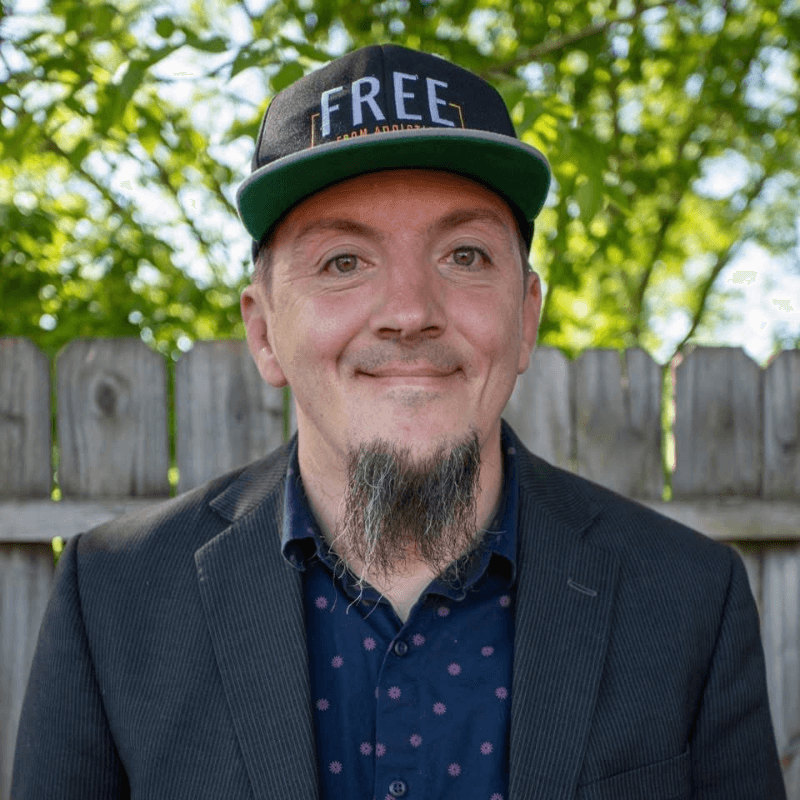
Justin Franich
Justin Franich is a former meth addict, Teen Challenge graduate, and pastor who has been clean since 2005. Today he's a husband, father, and Executive Director of Shenandoah Valley Adult Teen Challenge. He hosts the Rebuilding Life After Addiction podcast and helps families across the U.S. navigate faith-based recovery options, compare programs, and rebuild life after addiction.
Read my storyKeep going
Know a family who needs this? Send it to them.
Monthly partners
Articles like this stay free because partners keep them free.
No paywall, no ads — monthly partners cover the writing, the phone line, and the guidance behind every page, so the next family searching at 2 a.m. finds real help.
Become a monthly partner