Finding Help
Sober Living After Rehab, Jail, or Teen Challenge: What Comes Next?
Justin Franich
May 22, 2026 · 7 min read
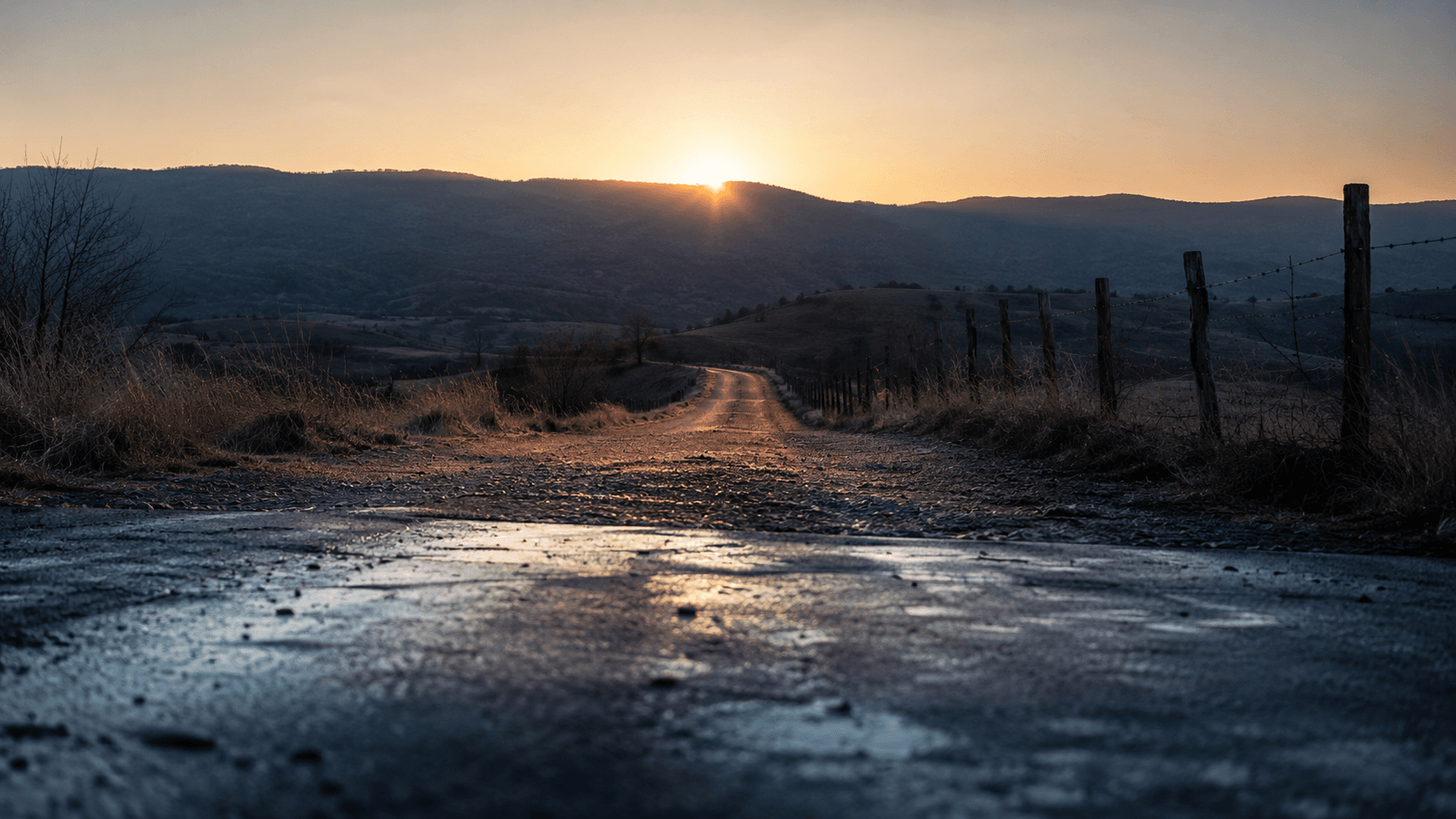
Graduation day is the most dangerous day in recovery.
A man walks out of a program, a treatment center, or a jail with more momentum than he's had in years. He's clear-eyed. He's hopeful. He's quoting Scripture or reciting a relapse plan. And somewhere in his pocket is the address of the same neighborhood, the same friends, the same routines that took him out the first time.
The structure that held him up for months is gone by lunchtime. That's the gap. That's where men get lost.
If you're finishing rehab, jail, or Teen Challenge in Virginia, this article is for you. The next step is not figuring it out on your own. The next step is faith-based sober living for men in Virginia.
Why the transition is the riskiest window
Nobody talks about this part enough. The most dangerous stretch in recovery isn't the program itself. It's the seventy-two hours after it ends.
The structure disappears. The accountability evaporates. The phone fills back up with the wrong contacts. Old triggers walk up to you in the grocery store wearing a name you used to love. And your willpower, which felt like a fortress two days ago, suddenly feels like a screen door in a storm.
Paul wrote, "For we do not wrestle against flesh and blood, but against principalities, against powers, against the rulers of the darkness of this age, against spiritual hosts of wickedness in the heavenly places" (Ephesians 6:12, NKJV). That's not metaphor. Something is hunting your sobriety, and it knows the day your program ends.
If you're trying to think through how to protect what you built, read how to prevent relapse and setbacks in recovery. Both are honest about how this actually goes.
The answer is not more willpower. The answer is structure that doesn't vanish on graduation day.
After rehab: when treatment ends but life hasn't restarted
If you came out of clinical treatment, you know the rhythm. Thirty days, sixty days, ninety days. Then a discharge plan, a printout of meeting times, and a ride home.
What rehab cannot do is restart your life. It stabilizes you. It puts a floor under you. But the actual rebuilding, the job, the marriage, the budget, the church on Sunday, the men who know your name, that work begins the day you walk out the door. We've written about this directly in life after rehab: what happens when treatment ends and sustaining sobriety beyond rehab.
A sober living home is where that rebuilding happens in real time, with people who've been there.
After jail or prison: a clean record of time, not a clean slate of habits
You did the time. The cell door closed behind you. The state is done with you, at least for now.
But the time inside doesn't automatically rewrite the patterns. The cravings don't expire on the release date. The relationships waiting on the outside are the same relationships that helped land you inside. And the version of you that walked in might still be the version that walks out, just thinner and tireder and with a few more verses memorized.
That's not a failure of character. That's the work of restoration not yet done. The Lord spoke through Joel: "So I will restore to you the years that the swarming locust has eaten" (Joel 2:25, NKJV). Restoration is a promise. It is not automatic. It happens in real life, through real people, over real time.
Bible verses about second chances is the place to sit with that promise. And if you're weighing whether a structured discipleship environment makes more sense than going straight home, Teen Challenge vs prison lays out the contrast plainly.
Sober living gives a man somewhere to put the second chance.
After Teen Challenge: keeping the discipleship going
Teen Challenge graduates have a different problem. The faith is real. The transformation is real. The risk is that everything that grew inside the program quietly stalls out once the program isn't holding the schedule anymore.
Jesus said, "A disciple is not above his teacher, but everyone who is perfectly trained will be like his teacher" (Luke 6:40, NKJV). The word that matters is trained. Discipleship is not an event. It's a long apprenticeship. Twelve months in a program is the trailhead, not the summit.
What happens after Teen Challenge graduation walks through this directly. Sober living is one of the most common next steps because it does the same thing the program did, just turned outward: the men, the schedule, the accountability, the Word, only now you're working a job, paying rent, and learning to live this new life in the actual world.
The discipleship doesn't end. It just gets harder. That's why you need the brothers.
What sober living adds that a program can't
A program is a controlled environment. That's its strength, and that's its limit.
Sober living is real-world testing under support. You get a job. You handle a paycheck. You handle a hard day at work without using. You disagree with a roommate and have to actually resolve it instead of walking away. You sit in church on Sunday and don't just attend, you belong. You learn what your sobriety looks like in traffic, in a grocery store, in a family argument, in a long evening alone.
You do all of that while still living under a roof with men who'll call you out if you slip. That combination, freedom plus accountability, is the thing no program can replicate, and no apartment alone can either.
Solomon understood it: "Two are better than one, because they have a good reward for their labor. For if they fall, one will lift up his companion. But woe to him who is alone when he falls; for he has no one to help him up... a threefold cord is not quickly broken" (Ecclesiastes 4:9–10, 12, NKJV).
Systems that keep you free in long-term recovery gets into the practical scaffolding of what those systems actually look like once the program ends.
You cannot do this alone, and were never meant to
I've watched men try to do the next chapter solo. Save money. Keep their head down. Stay off the apps. Avoid the old neighborhood. Read the Bible by themselves at night.
A few make it. Most don't. And the ones who don't aren't weak. They're isolated. Isolation is what the enemy of your soul has been working toward since the day you got clean.
Paul wrote, "Brethren, if a man is overtaken in any trespass, you who are spiritual restore such a one in a spirit of gentleness, considering yourself lest you also be tempted. Bear one another's burdens, and so fulfill the law of Christ"(Galatians 6:1–2, NKJV). That work cannot happen at a distance. It happens at a kitchen table. It happens on a porch at 11 p.m. It happens when somebody notices you've been quiet for three days and asks why.
That's what we mean by freedom after addiction. Not freedom alone. Freedom in community. Freedom that holds because it's tied to other men who are walking the same road and refuse to let you walk it by yourself.
Plan the next step before you need it
Most men plan the program. Few plan what comes after the program. That is the single most fixable mistake in recovery.
If you're inside a program right now, or sitting on a release date, or finishing rehab in the next month, this is the conversation to have before the discharge paperwork is signed. Not after. The men who land well are the men who knew where they were going before they had to go there.
The Rebuilding Life Sober Living Home in Mount Jackson is built for this exact transition. Brothers, structure, Scripture, a local church, a path forward.
If you want to talk through what comes next before you're standing at the door, talk to us about getting help.
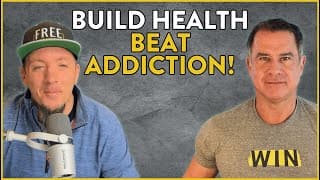
Hear more on the Rebuilding Life podcast: Recovery Doesn't End at Rehab — Here's What Comes Next
You’re not alone in this
If addiction has someone you love, talk to someone who’s been there.
The conversation is free and confidential. Justin & Rob answer the phone — both in recovery themselves.
One quiet email a week
New articles and podcast episodes when they drop. No pressure, no spam.
Justin Franich
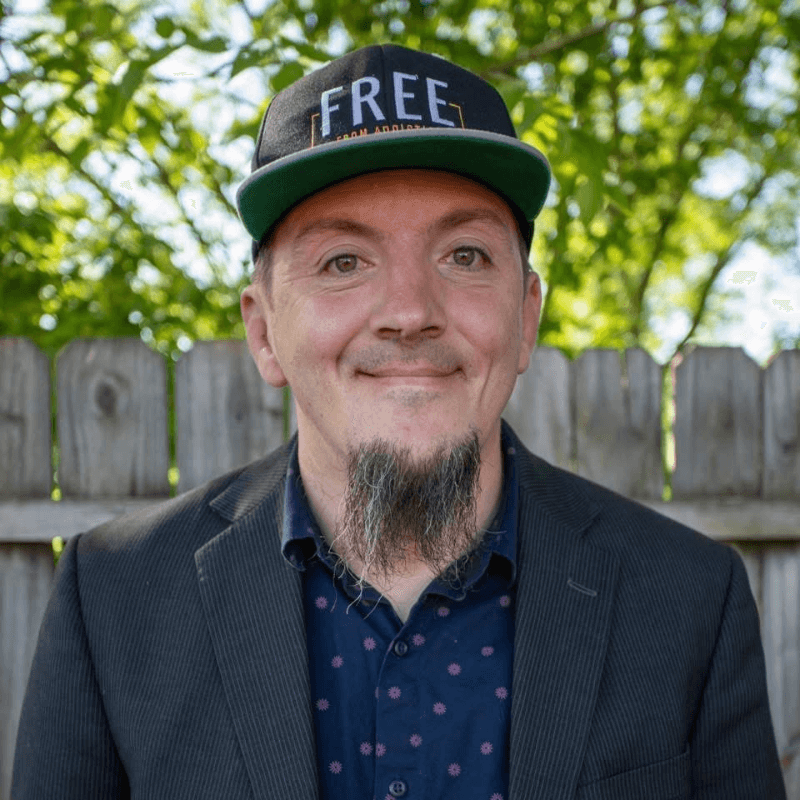
Justin Franich is a former meth addict, Teen Challenge graduate, and pastor who has been clean since 2005. Today he's a husband, father, and Executive Director of Shenandoah Valley Adult Teen Challenge. He hosts the Rebuilding Life After Addiction podcast and helps families across the U.S. navigate faith-based recovery options, compare programs, and rebuild life after addiction.
Read my storyKeep going
Know a family who needs this? Send it to them.
Monthly partners
Articles like this stay free because partners keep them free.
No paywall, no ads — monthly partners cover the writing, the phone line, and the guidance behind every page, so the next family searching at 2 a.m. finds real help.
Become a monthly partner