
Finding Help
What Level of Care Does Your Loved One Need? A Family Decision Guide
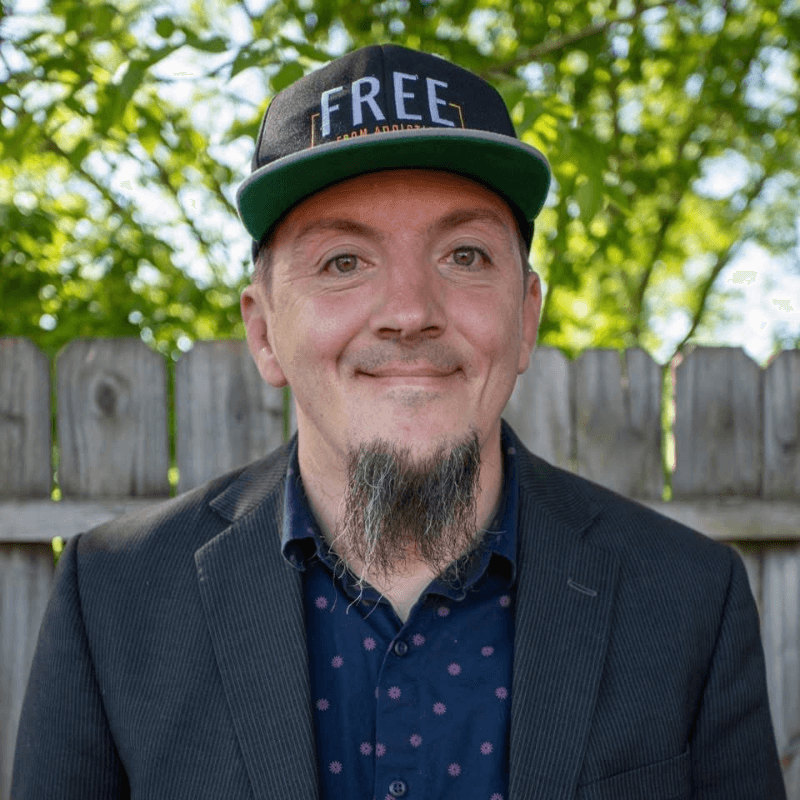
Justin Franich
March 23, 2026 · 7 min read

Your son hasn't answered the phone in three days. Your daughter's rent check bounced again. Your husband swore last Tuesday was the last time, and you found the empty bottles on Thursday. You know something has to change. You just don't know what kind of change, or how much of it.
That question is one of the hardest a family member can face. Not because the answer is complicated. Because the answer requires you to be honest about what you're seeing, and that honesty costs something.
This won't diagnose your loved one. But it will walk you through the real signals that indicate what kind of help fits, from a conversation with a pastor to a long-term faith-based program. The goal is simple. Give you a framework so you're not guessing.
Why "Just Get Help" Isn't Enough
Telling someone to "get help" is like telling someone with chest pain to "see a doctor." Technically correct. Practically useless.
Addiction works the same way. A college student who binge drinks on weekends and a father who's lost two jobs and a marriage to meth both need help. They don't need the same help.
Rob Grant, a recovery leader in San Diego, put it this way. "A lot of times we're like, 'Man, just quit. Why don't you just quit?' That's the wrong question. The question is, what are you hiding from? What are you afraid to face if you do stop using?"
What your loved one needs depends on what's underneath the substance use, how far the consequences have reached, and whether they can get there on their own or need a structured environment to do it.
A Counselor, a Group, or a Program?
Think of it in three categories. Not clinical levels. Just practical ones.
They need someone to talk to.
This fits when your loved one is still holding things together most of the time. They're working. They have stable housing. The substance use is a problem but it's not running their life yet. A Christian counselor, a pastor, a support group like a concerned persons group or a recovery-focused small group at a local church can be the right starting point.
This doesn't fit when they've already tried talking to someone and nothing changed. Or when they can't go two days without using. Or when the people they're living with are part of the problem.
They need daily structure and accountability.
This fits when the addiction is serious but there's still a safe home to go back to at night. They need someone checking in every day. They need a schedule that doesn't leave room for the old patterns. An intensive outpatient program or a structured daily group can provide that accountability while they stay connected to their job and family.
This doesn't fit when home is where the problem lives. If the people around them are using, or enabling, or both, daily structure won't overcome a toxic environment.
They need to be somewhere else entirely.
This is where programs like Teen Challenge come in. Long-term. Residential. 12 to 18 months. The person lives on-site. The focus isn't just getting clean. It's rebuilding an identity, learning to live differently, and letting God do the deeper work that no 30-day program touches.
This fits when the addiction has been going on for years. When shorter programs haven't produced lasting change. When their entire social network, living situation, and daily routine is built around using. When there are deep-rooted issues — trauma, family dysfunction, identity — that can't be addressed in a month.
Don Wilkerson, co-founder of Teen Challenge, explained the distinction. "It's one thing to be clean. It's another thing to be pure. We are not just a drug rehabilitation program. We are a discipleship program." The people who experience lasting transformation surrender to a process of becoming someone new. Not just sober. New.
If your loved one has a physical dependency that requires medical attention before entering a program, that needs to happen first. Once they're physically stable, a long-term discipleship program can address everything else.
What to Look For
Walk through these honestly.
If you're seeing occasional bad decisions but your loved one is still meeting their responsibilities most of the time, start with a counselor or a support group. Don't overcorrect by jumping to a residential program if the situation doesn't call for it yet.
If you're seeing daily use, failed attempts to quit, mood swings, isolation, and lying, your loved one needs more than a weekly meeting. They need daily accountability at minimum, and they may need to be removed from their environment entirely. If home is safe, a structured daily program can work. If home is part of the problem, residential is the right call.
If you're seeing job loss, legal problems, broken relationships, or your loved one has been through programs before without lasting change, the pattern is bigger than the substance. When someone has cycled through multiple short-term programs, the issue isn't the drugs. Rob Grant put it this way. "I don't think people are really addicted to drugs. People have a rooted issue that they've never been able to address, and they hide behind the drugs." That's when a long-term discipleship program makes sense.
If you're seeing fentanyl use, overdose history, or immediate danger, call 911. Get them safe first. Everything else comes after.
What Families Get Wrong
Three mistakes I see over and over.
Waiting for rock bottom. Rob Grant challenged this directly. "Rock bottom ends up at death for a lot of people. That's terrifying to say, 'I'm just going to let somebody go to rock bottom.'" With fentanyl in the supply, there may not be a rock bottom to come back from. The better approach is to bring the bottom up. An intervention or a structured confrontation that creates a crisis without waiting for a fatal one.
Letting cost make the decision. Programs like Teen Challenge are donation-funded and low-cost or free. But even when money is tight, choosing a program based on what you can afford instead of what the situation demands is dangerous. Talk to someone who can help you explore options before your budget makes the decision for you.
Assuming your loved one has to want it first. Don Wilkerson noted that many people who come to Teen Challenge arrive under duress. "They come to please a mother or a wife." Some of the most transformed lives he's seen started with someone who didn't want to be there. Willingness can grow inside the right environment. Don't wait for your loved one to want help. Sometimes you have to get them in the building first.
When to Act
You've probably been sitting on this decision longer than you want to admit. Reading articles late at night, scrolling forums, asking friends who don't really understand what you're dealing with. That's normal. You're trying to gather enough information to feel confident before you move.
You already know enough. If you're reading an article about what kind of help your loved one needs, they need help. The specifics matter, and that's what a conversation with someone who's been through it can sort out. But the direction is already clear.
If you're not sure where to start, this guide walks you through the questions to ask when you're evaluating programs. And if you want to talk to someone today, call us at 540-213-0571. We'll help you figure out what makes sense and point you in the right direction, whether that's our program or somebody else's.
You’re not alone in this
If addiction has someone you love, talk to someone who’s been there.
The conversation is free and confidential. Justin & Rob answer the phone — both in recovery themselves.
One quiet email a week
New articles and podcast episodes when they drop. No pressure, no spam.
Justin Franich
Justin Franich is a former meth addict, Teen Challenge graduate, and pastor who has been clean since 2005. Today he's a husband, father, and Executive Director of Shenandoah Valley Adult Teen Challenge. He hosts the Rebuilding Life After Addiction podcast and helps families across the U.S. navigate faith-based recovery options, compare programs, and rebuild life after addiction.
Read my storyKeep going


Know a family who needs this? Send it to them.
Monthly partners
Articles like this stay free because partners keep them free.
No paywall, no ads — monthly partners cover the writing, the phone line, and the guidance behind every page, so the next family searching at 2 a.m. finds real help.
Become a monthly partner