Stories
Finding Purpose in the Middle of PTSD
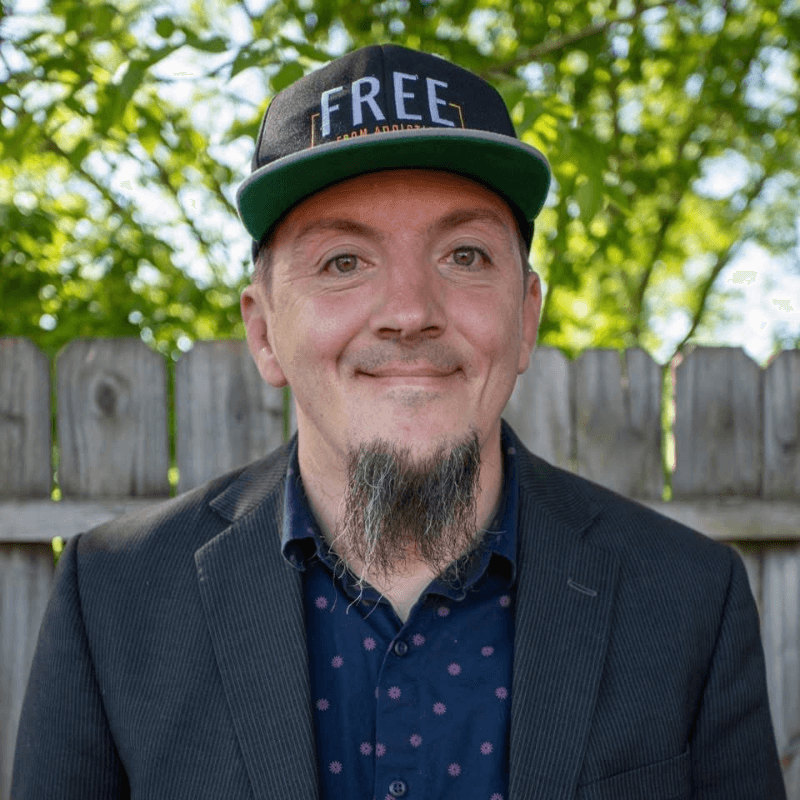
Justin Franich
April 5, 2026 · 7 min read
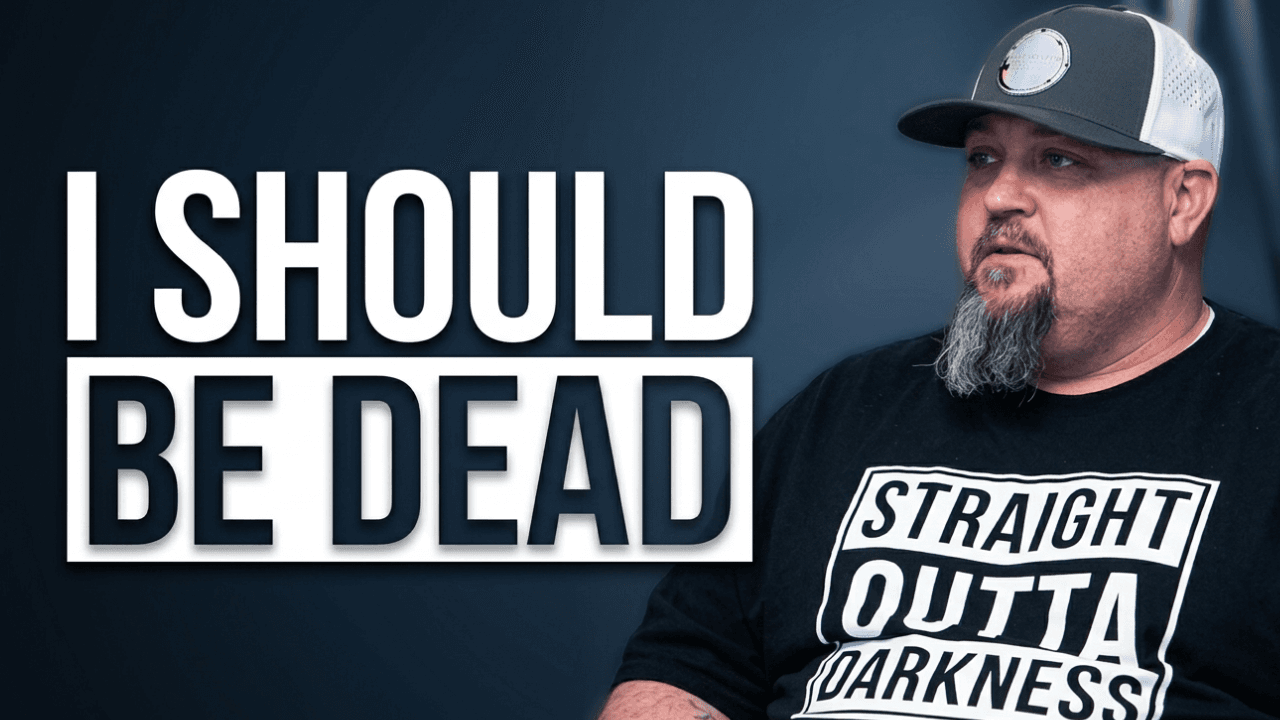
Most testimonies have a clean arc. I was lost, God found me, now I'm free. Ace Aspiras doesn't have that kind of story. Not because God hasn't shown up. He has. But because Ace is still in the middle of the fight, and he's choosing to be honest about it.
If you want Ace's full addiction story, we've covered that before. This is about what came after sobriety. The part most people don't talk about, when the substances are gone but the pain underneath is still very much alive.
What the Hospital Did to Him
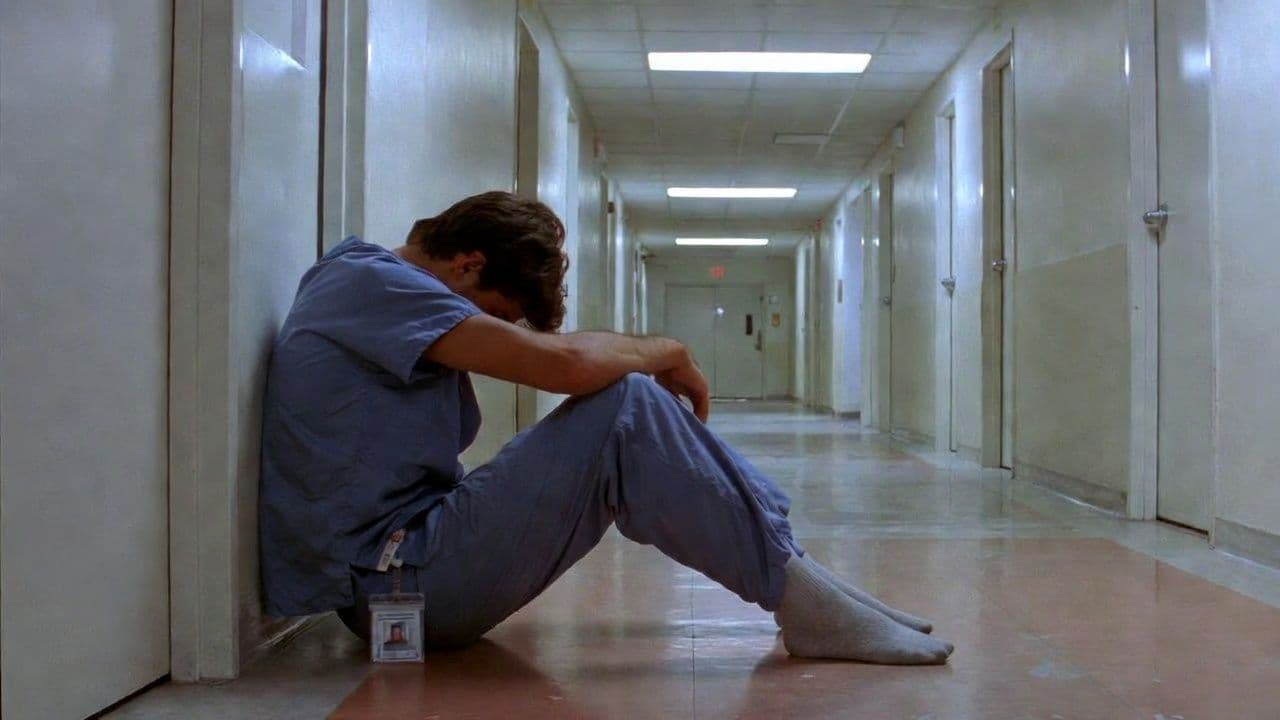
In February 2020, Ace was one of the respiratory therapists who treated the first community-spread COVID patient in the United States. He watched people die. He worked in conditions that nobody had trained for. And when the crisis faded from the headlines, he carried it home with him.
What followed was a spiral into hard drugs, alcohol, and marijuana. On December 18, 2021, three days before his brother's wedding, Ace attempted suicide. He was in a dark place with no visible exit. But God met him there and told him something simple: "There's more to life than suffering."
Seven months later, on July 30, 2022, Ace got sober. The way it happened was so unlikely that only God could have arranged it. He was sitting at a bar, told a stranger he was trying to get clean, and found out the man shared his same sponsor. That's not coincidence. That's a Father who meets you where you are without waiting for you to get presentable first.
By January 2022, he'd been diagnosed with PTSD. And instead of letting the diagnosis become the final word, Ace treated it like a starting line.
Pray, Trust, Seek, Declare
A friend named Tim Masters handed Ace an acronym that changed the way he thought about those four letters. Instead of post-traumatic stress, Tim reframed PTSD as: Pray. Trust. Seek. Declare.
Ace's first reaction was that it was fire. Tim's response: "The Lord gave that to me, brother."
That reframing didn't erase what Ace was dealing with. But it gave him a posture for walking through it, and it can work for anyone carrying pain they don't know what to do with.
Pray. Not the polished, Sunday-morning kind. The kind where you're on the floor at 3 a.m. and the only words you have are "God, help." When an episode hits, when the memories flood back, when your body is reacting to something your mind can't even name yet, prayer is the first move. Not because it fixes everything instantly, but because it puts you in contact with the only One who can hold what you're carrying. "Be anxious for nothing, but in everything by prayer and supplication, with thanksgiving, let your requests be made known to God" (Philippians 4:6, NKJV).
Trust. This is the hardest one, because trust means believing God is working when nothing around you looks like progress. Ace had 84 separate moments in his first year of sobriety where he wanted to quit. Eighty-four. Trust is what kept him dialing the phone each time. Sometimes the first person didn't answer. Sometimes neither did the second or third. But somebody always picked up. Trust doesn't require feeling confident. It requires acting like God is faithful even when your feelings say otherwise.
Seek. Seek help. Seek people who've been where you are. Seek brothers or sisters who will tell you the truth instead of just telling you what you want to hear. Ace didn't get sober alone, and he didn't write a book alone. Community carried him through the parts he couldn't carry himself. If you don't have that community yet, start by showing up somewhere. A church, a recovery meeting, a phone call to someone you trust. Isolation is where the enemy does his best work.
Declare. Speak the truth about who you are in Christ out loud, especially when the lies are loudest. The enemy's primary weapon is getting you to agree with him about yourself. You're broken. You're too far gone. You'll never be free. Declarations combat that. "I am a child of God. I have a purpose. What happened to me does not define me." Ace says those truths anchored him through the darkest parts of writing the book, through the PTSD episode that took him off work, through the Christmas where he couldn't buy his kids presents. Declaring truth is not positive thinking. It's spiritual warfare.
If someone you love is in addiction and you don't know what to pray anymore, grab our free guide: 5 Prayers for Families Still in the Fight.
No spam. Unsubscribe anytime.
Writing the Book While Still in It
A brother told Ace he had a vision that Ace was supposed to tell his story. Ace's response was honest: "I'm not a storyteller." But he started writing anyway. First as poetry, then as chapters, then as a full manuscript. The book went through three revisions and became Triumphing in Truth: Transforming Trials into Testimonies, a 12-chapter walk through what Ace calls truth, transformation, and testimony.
The writing itself was brutal. Putting his own story on paper threw him right back into the pain. He learned to tell it in the third person just to survive the process. "This happened to Ace. Ace went through this." Creating distance from the memories was the only way he could get them onto the page without being swallowed by them.
On January 1st, the book launched. That first week it hit number one new release on Amazon for 12 Step Recovery. Number four for PTSD. Number seven overall for health recovery.
But here's what makes Ace's story different from most book launches. Right before the book came out, he had a PTSD episode at work that took him off the job for months. He lost income. He couldn't buy Christmas presents for his kids. He was dealing with nerve pain and fighting to hold it together while the thing he'd poured himself into was about to go public.
He showed up anyway.
God Uses Us in the Suffering, Not Just After It
That's the part of Ace's story that matters most. He's not telling it from the other side of a mountain. He's telling it from the middle of the climb, with a limp, still going.
Most of us want to wait until the victory lap to say anything. We want the clean ending first. But some of the most powerful words ever written in Scripture came from men who were suffering while they wrote them. Paul's letters from prison are some of the most encouraging texts in the Bible, and he didn't write them after he was released. He wrote them while chained to a Roman guard.
Ace puts it plainly: God doesn't just use us after our suffering. He uses us in it. That means you don't need to be healed before you can be helpful. You don't need to have it figured out before your story counts. If you are still standing, still praying, still showing up for your kids and your faith and the people who need to hear what you've walked through, that is the testimony.
The truth that anchored Ace through all of it was simple: "I am a child of God. I have a purpose." Not "I had a purpose before PTSD." Not "I'll have a purpose once this is behind me." Right now, in the middle of it, the purpose is real.
"If I have a dysfunctional family," Ace says, "it could be less dysfunctional if I become functional." That's not a man who's arrived. That's a man who decided to stop waiting for arrival and start walking.
If you're carrying something that sobriety didn't fix, something deeper that's still hitting you when you least expect it, you're not failing. You're dealing with real wounds, and those wounds need more than willpower. They need the kind of strength that only comes from outside yourself. And if the setbacks keep coming, that doesn't mean the progress isn't real.
If you need someone to talk to, we're here.
Hear more on the Rebuilding Life podcast: From Rock Bottom to Published Author: Ace's Triumphant Journey
You’re not alone in this
If addiction has someone you love, talk to someone who’s been there.
The conversation is free and confidential. Justin & Rob answer the phone — both in recovery themselves.
One quiet email a week
New articles and podcast episodes when they drop. No pressure, no spam.
Justin Franich
Justin Franich is a former meth addict, Teen Challenge graduate, and pastor who has been clean since 2005. Today he's a husband, father, and Executive Director of Shenandoah Valley Adult Teen Challenge. He hosts the Rebuilding Life After Addiction podcast and helps families across the U.S. navigate faith-based recovery options, compare programs, and rebuild life after addiction.
Read my storyKeep going
Know a family who needs this? Send it to them.
Monthly partners
Articles like this stay free because partners keep them free.
No paywall, no ads — monthly partners cover the writing, the phone line, and the guidance behind every page, so the next family searching at 2 a.m. finds real help.
Become a monthly partner