Stories
Healing from Trauma as a Christian
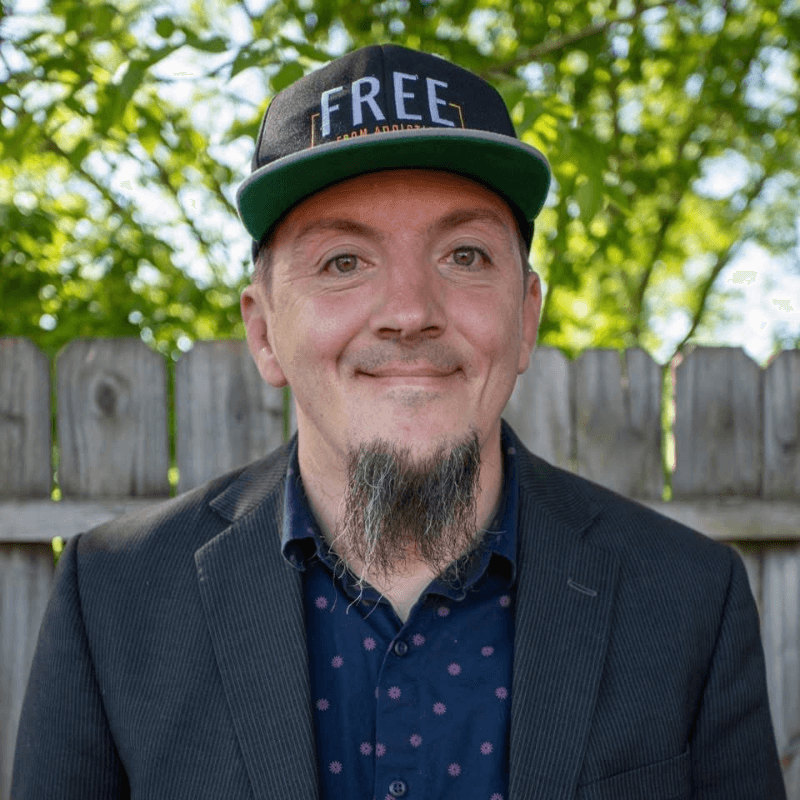
Justin Franich
April 5, 2026 · 7 min read
Chipo didn't walk into that first appointment looking for healing. She walked in looking for someone to agree with her that the divorce was her ex-husband's fault.
She was angry. Had been for a long time. Angry at him, angry at the situation, angry in ways that leaked into her parenting and her work and every relationship she touched. But she didn't know the anger had a source that went back decades. She thought it was about the marriage. It wasn't.
Within minutes, the counselor told her she had unresolved pain from her childhood. Chipo's reaction was immediate: "What is this woman talking about? I'm here to deal with my divorce."
But the counselor was right.
The Door She Didn't Want to Open
When Chipo was a child, her uncle sexually abused her. She told her father. He responded the best way he knew how, which was to push it under the carpet. Nobody talked about it again. But the abuse continued. And because nobody acknowledged what was happening, Chipo internalized it. She blamed herself. She believed the pain was proof that she was dirty, that she deserved it, that God either didn't care or was punishing her.
That belief system ran underground for decades. It didn't look like addiction in the way most people picture it. There were no substances. But there was overwork, sometimes sixteen-hour days just to avoid sitting still. There was anger that showed up at the wrong times and in the wrong places. There was isolation. And there were moments, more than once, where she tried to end her life because she couldn't see a reason to keep going.
All of it traced back to a wound she had never been allowed to name out loud.
Prayer Alone Didn't Fix It
One of the hardest things for Chipo to accept was that prayer, by itself, was not enough to undo what had been done.
That's a difficult sentence to write on a ministry website. But Chipo would tell you the same thing. She prayed. She believed. She loved Jesus. And the pain was still there, because nobody had ever helped her actually face it.
"Just pray" is something people say when they don't know what else to offer. Chipo heard it for years. But as she puts it, there's no transformation in "just pray." The transformation comes through doing something about the pain. Prayer opens the door. It gives you the courage and the power of the Holy Spirit to walk through it. But you still have to walk through it.
For Chipo, that meant getting help from someone who could sit with her in the mess and guide her through what she couldn't sort out alone. It meant going back to painful memories she had buried and letting them come to the surface one piece at a time. Some weeks she'd feel like she was making progress. The next week a trigger would hit, maybe just hearing her ex-husband's name, and the pain would feel as fresh as the day it happened.
She called her counselor once, convinced the process wasn't working. "How come I'm still feeling this way? I felt fine last week." But healing from deep wounds doesn't move in a straight line. It circles. It goes deeper in layers. And each layer hurts, because each layer is real.
If someone you love is in addiction and you don't know what to pray anymore, grab our free guide: 5 Prayers for Families Still in the Fight.
No spam. Unsubscribe anytime.
The Little Girl in the Hallway
One of the turning points in Chipo's healing came through a simple exercise. A life coach walked with her down a long hallway while she was sobbing. The coach asked her, "Who are you?"
Chipo said her name.
"No. You are a child of God. You are a woman of God."
Chipo knew that. She'd said it a hundred times. But she'd never separated the woman she was becoming from the little girl who was still carrying all that pain.
The coach told her, "There's a little girl who's still hurting. We're going to pray for her, and we're going to leave her right here. And you're going to walk back into that room as the woman God created you to be."
That exercise didn't erase the memory. Chipo is clear about that. You don't forget. But you stop letting the pain define who you are today. "That happened to that little girl. Not because she was unworthy. Because the uncle was a sinner dealing with his own issues, and he hurt a child. That's on him."
The shift was identity. Not from "damaged" to "fixed." From "that is who I am" to "that is what happened to me, and it is not the same thing."
What God Said in the Middle of It
During the worst of her healing process, God gave Chipo a vision. She saw herself as a child, in the moment the abuse first happened. And she heard Him say: "I've always had you in the palm of My hand."
Even then. Even before she was saved. Even when no one else was watching. He was there.
That didn't make it okay. It didn't make the abuse acceptable. It meant that God was not absent from the worst moment of her life, even though it felt like He was. And if He was there then, He was certainly there now, in the slow, grinding, repetitive work of putting the pieces back together.
Psalm 139 says, "You have searched me and known me" (NKJV). God knew every fractured piece of Chipo's story before she did. He wasn't waiting for her to figure it out on her own. He was waiting for her to let Him in.
Time Doesn't Heal. Dealing with It Does.
Chipo will tell you that the divorce was one of the best things that ever happened to her. Not because divorce is good, but because it created the crisis that finally forced her to her knees. "God, if You don't fix this, I'm done."
And God did. Not instantly. Not painlessly. Through people, through hard conversations, through letting go of guilt and shame she had carried since childhood, through learning what triggered her and building the awareness to catch it before it pulled her under.
Today, Chipo is pursuing her doctorate in counseling. She wants to sit with other women who are carrying what she carried and be a voice that says: you're not crazy. You're not broken. You're not too far gone. The pain is real, and God is bigger than it. But you have to be willing to face it.
Her parting words, the ones she'd go back in time and tell her younger self:
"You are okay. Not you're going to be okay. You are okay. Not because you're all that, but because God has you in the palm of His hand."
If that's where you need to start today, start there. And if the pain underneath is connected to addiction or something you can't stop on your own, reach out. You don't have to white-knuckle your way through this.
When recovery hurts more than the addiction, it usually means you've hit something real. Don't run from it. That's where the healing is.
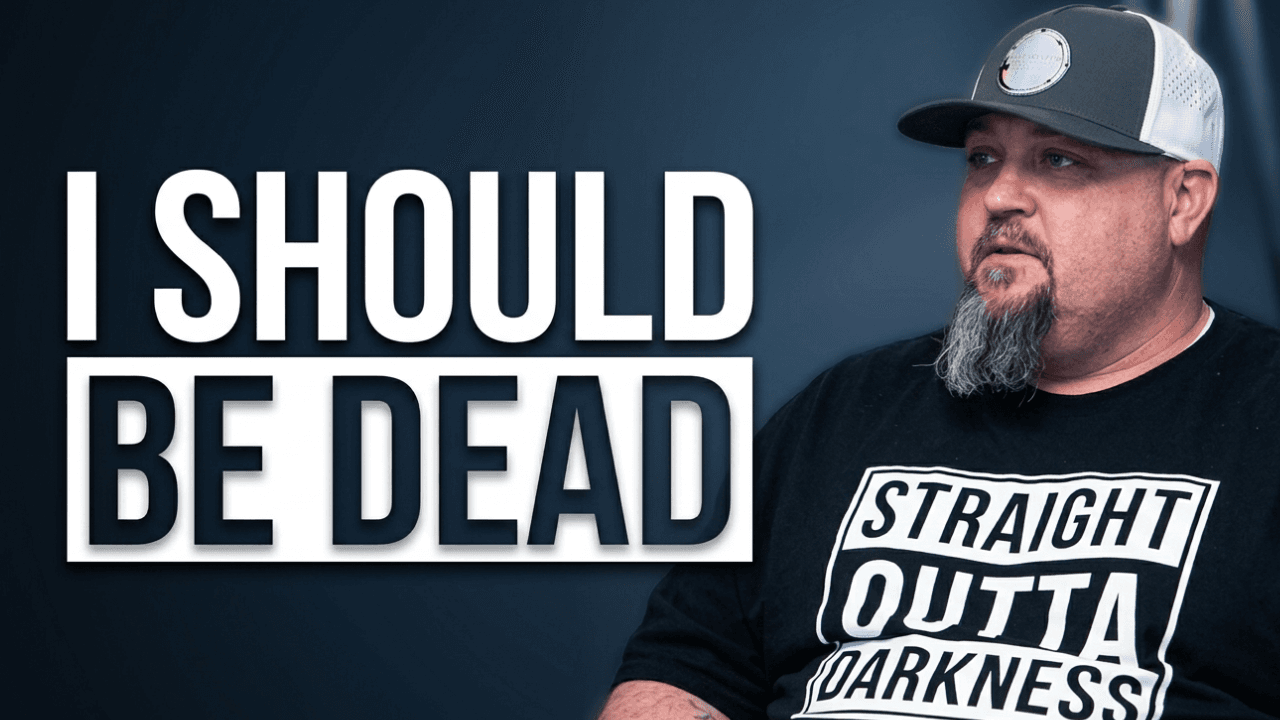
Hear more on the Rebuilding Life podcast: Healing from Trauma as a Christian with Chipo Mathis
You’re not alone in this
If addiction has someone you love, talk to someone who’s been there.
The conversation is free and confidential. Justin & Rob answer the phone — both in recovery themselves.
One quiet email a week
New articles and podcast episodes when they drop. No pressure, no spam.
Justin Franich
Justin Franich is a former meth addict, Teen Challenge graduate, and pastor who has been clean since 2005. Today he's a husband, father, and Executive Director of Shenandoah Valley Adult Teen Challenge. He hosts the Rebuilding Life After Addiction podcast and helps families across the U.S. navigate faith-based recovery options, compare programs, and rebuild life after addiction.
Read my storyKeep going
Know a family who needs this? Send it to them.
Monthly partners
Articles like this stay free because partners keep them free.
No paywall, no ads — monthly partners cover the writing, the phone line, and the guidance behind every page, so the next family searching at 2 a.m. finds real help.
Become a monthly partner