Field Notes
How to Start a Recovery Ministry at Your Church
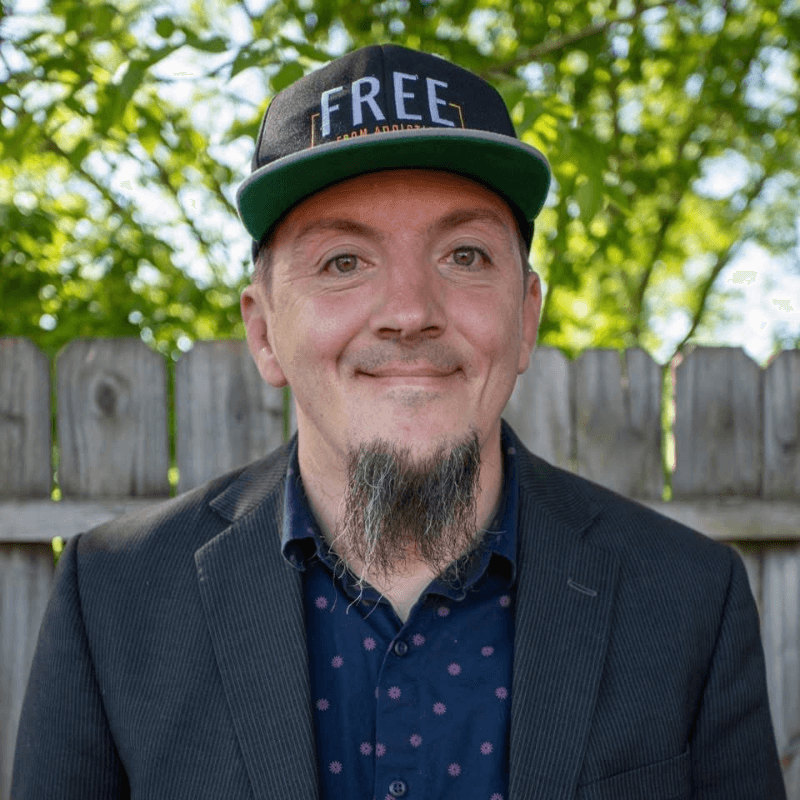
Justin Franich
March 13, 2026 · 7 min read
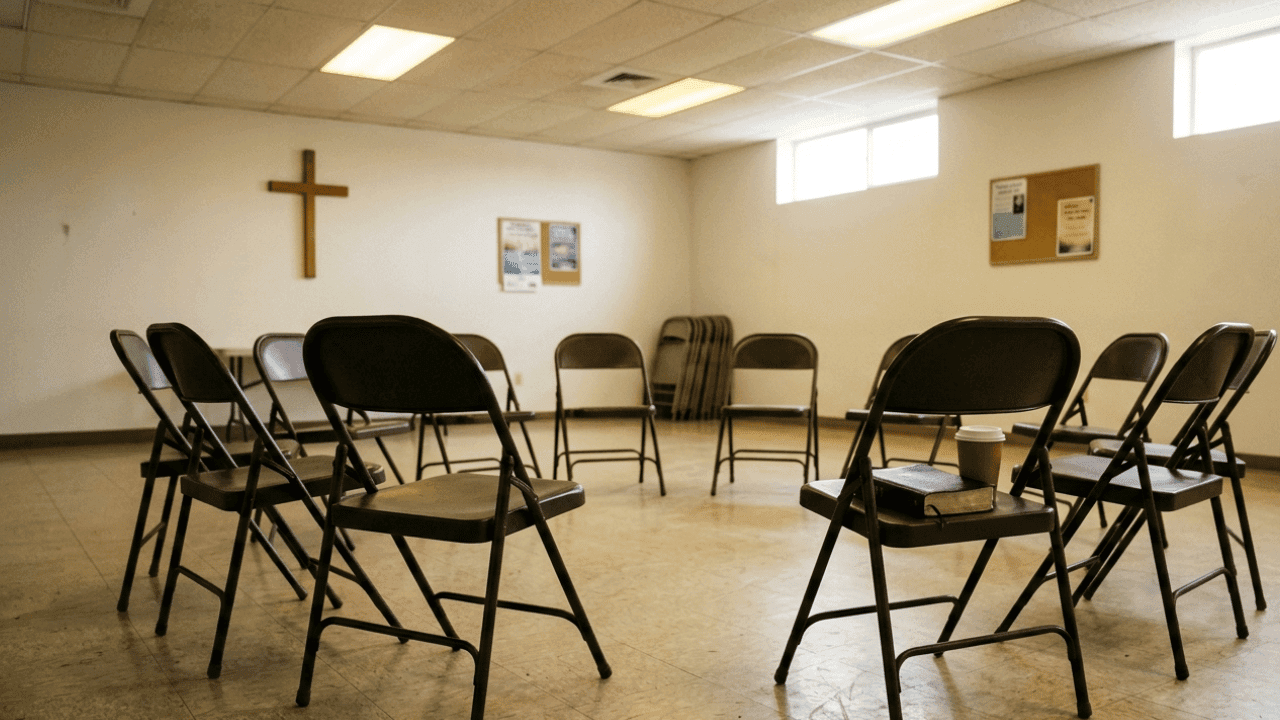
Starting a recovery ministry takes four things. A leader who will commit for three years. A model that fits your church's size. A board that's been pitched with data instead of feelings. And a partner organization so you're not building from scratch.
This guide covers all four, plus the costs, the liability question, and a 90-day launch plan.
One number before you start. Roughly one in ten people in your congregation is affected by addiction, either their own or a family member's. You're not deciding whether to enter this. You're already pastoring it. You're deciding whether to be useful in it.
Step 1: Decide If You're Ready to Build
Most church recovery ministries quit inside eighteen months. Not because the need went away. Because the leader burned out or the first group had four people and somebody called that failure.
Answer these honestly before you spend a dollar:
Do you have a leader who will own this for three years? Not the pastor. A champion. Someone with recovery in their own story or a deep burden for it, who won't quit when the room is half empty in month eight. If you don't have this person, you're not ready to build.
Can you commit one night a week, every week? Consistency matters more than curriculum. A group that meets every Tuesday for two years beats a polished program that fizzles in six months.
Is your congregation prepared? People in early recovery may show up in the wrong clothes, say the wrong things, relapse and disappear for three weeks. If your church culture can't absorb that without flinching, prepare the congregation first. Honest conversations, not one announcement from the stage.
If you failed any of these, don't build yet. Partner instead. Host a family support group. Become a referral point for a residential program. Provide meeting space. That's real ministry too, and it's how many churches start. If you're wrestling with this, read your ministry doesn't have to be the answer.
Step 2: Pick Your Model
There are two models that work at the local church level. The decision comes down to who you have.
Structured small group. A closed group of 5 to 10 people working through a Christ-centered curriculum, 9 to 12 weeks, one night a week, led by a trained facilitator and co-facilitator. Living Free is the curriculum we recommend and train facilitators in. It covers addiction, anger, anxiety, grief, codependency, and support for families of addicts. The closed format is the key mechanic. After week two, no new members. That's what builds enough trust for people to say what they've never said.
Pick this if: you have people who are good at running a process, and your church wants a defined pathway with materials and training.
Open community model. A regular gathering for prayer, worship, and shared meals, plus one-on-one discipleship relationships. No curriculum, no graduation. People stay as long as they need.
Pick this if: your committed people are better at presence than programs. This model runs entirely on consistency. You need 3 to 5 volunteers who will show up every week for a year minimum. If they burn out at month three, the ministry dies with them.
Don't pick the model that sounds more impressive. Pick the one that matches the people you actually have.
If someone you love is in addiction and you don't know what to pray anymore, grab our free guide: 5 Prayers for Families Still in the Fight.
No spam. Unsubscribe anytime.
Step 3: Know the Real Costs
Structured group: facilitator training, participant workbooks (typically $15 to $25 each), and one room one night a week. Total startup is usually a few hundred dollars, not thousands.
Community model: food, coffee, and volunteer hours. Cheaper in dollars, more expensive in people.
The cost nobody budgets for: leadership bandwidth. Recovery ministry burns out leaders faster than almost any church role because the need never stops and the boundaries are thin. Build a co-leader in from day one. Put a rhythm of rest on the calendar before launch, not after the crisis.
Step 4: Set Your Edges
A recovery ministry is a church small group. You already run small groups. You don't need new policies, new insurance, or a lawyer. You need one page and one list.
The one page: what your ministry does (weekly group, discipleship, prayer) and what it doesn't (detox, medical care, housing, crisis intervention). Your church is not a rehab and shouldn't try to be one.
The list: referral partners you trust. When someone walks in needing more than a small group, the most loving thing you can do is connect them to a residential program that can carry it, then welcome them back when they're ready. Know your partners before you launch, not when someone is standing in front of you in crisis. Get help here is where to send someone who needs residential care now.
Step 5: Pitch the Board
Four rules for the proposal:
- Lead with data. "One in ten people in this room is affected by addiction" lands harder than "I feel called." Pull your county's overdose numbers. Make it local.
- Ask small. One pilot group, one room, one night a week, 12 weeks. It's a small group. Pitch it like one.
- Bring a testimony. If someone in your church has walked through recovery and will share with the board, that does more than any slide.
- Define success up front. "If we serve 5 people consistently for 12 weeks, we run the next one." Clear finish line, easy yes.
Step 6: Don't Build Alone
The churches that survive year two almost always have a partner organization behind them. Someone who trained their facilitator. Someone who says "that's normal, keep going" when the group shrinks. Someone who takes the call when a person needs residential care.
That's what we do at SVTC. We help churches across Virginia start recovery ministries. We train your facilitator in Living Free, help you pick the right model for your size, and stay available past the point where most ministries quit. When someone needs more than your group can give, we take that referral so your church doesn't carry what it isn't built to carry.
You bring the room and the people. We bring the experience so you're not inventing this from scratch.
If you want to understand the residential program model first, start with the complete guide to Teen Challenge or how to choose a faith-based recovery program.
Your First 90 Days
Weeks 1 to 2: Identify your 3 to 5 committed people. Meet, pray, pick a model using Step 2.
Weeks 3 to 4: Contact a partner organization about facilitator training. Visit a nearby church already running recovery ministry if one exists.
Weeks 5 to 6: Present the board proposal using Step 5. One page. Pilot framing.
Weeks 7 to 8: Train your facilitators. Set up the room. Order workbooks. Make a one-page flyer and deliver it to local counselors, probation officers, and the hospital. Those three referral sources will send you more people than any announcement from your own stage.
Weeks 9 to 12: Launch. Expect 3 to 5 people the first night. That's not failure. That's the starting size of nearly every recovery group that ever lasted. The people who show up first are the ones who need it most. Serve them well and they become your invitation strategy.
Start the Conversation
If you're ready to look at this seriously, text us at 540-213-0571. Tell us your church name and where you are in the process. We'll help you pick the model, get your facilitator trained, and stay with you past the part where most ministries quit.
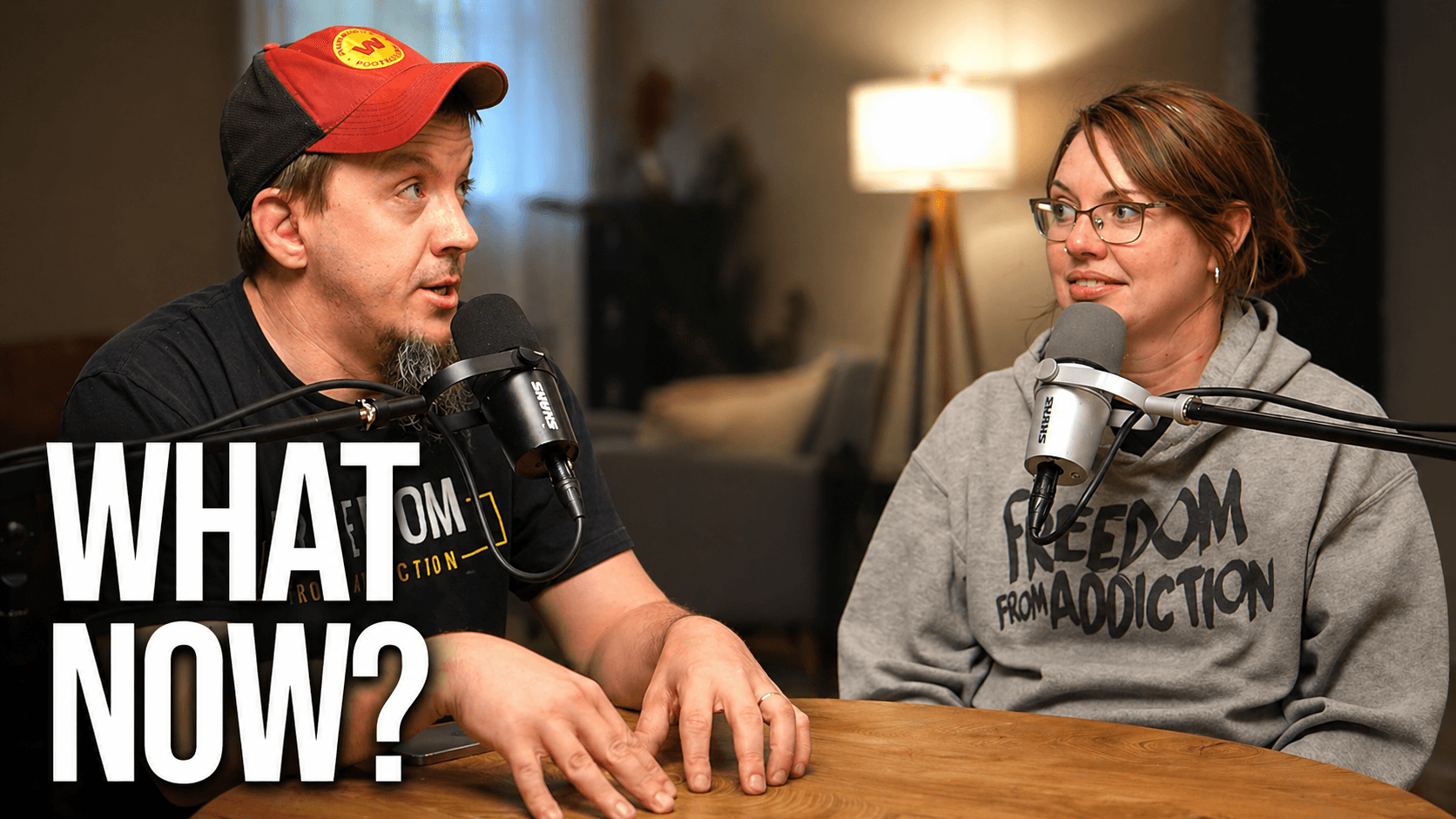
Hear more on the Rebuilding Life podcast: Ministry Isn't Easy. Here's What It's Really Like covers the burnout and boundary side of this work firsthand.
You’re not alone in this
If addiction has someone you love, talk to someone who’s been there.
The conversation is free and confidential. Justin & Rob answer the phone — both in recovery themselves.
One quiet email a week
New articles and podcast episodes when they drop. No pressure, no spam.
Justin Franich
Justin Franich is a former meth addict, Teen Challenge graduate, and pastor who has been clean since 2005. Today he's a husband, father, and Executive Director of Shenandoah Valley Adult Teen Challenge. He hosts the Rebuilding Life After Addiction podcast and helps families across the U.S. navigate faith-based recovery options, compare programs, and rebuild life after addiction.
Read my storyKeep going
Know a family who needs this? Send it to them.
Monthly partners
Articles like this stay free because partners keep them free.
No paywall, no ads — monthly partners cover the writing, the phone line, and the guidance behind every page, so the next family searching at 2 a.m. finds real help.
Become a monthly partner