Field Notes
What Is Medetomidine? Rhino Tranq in the Fentanyl Supply
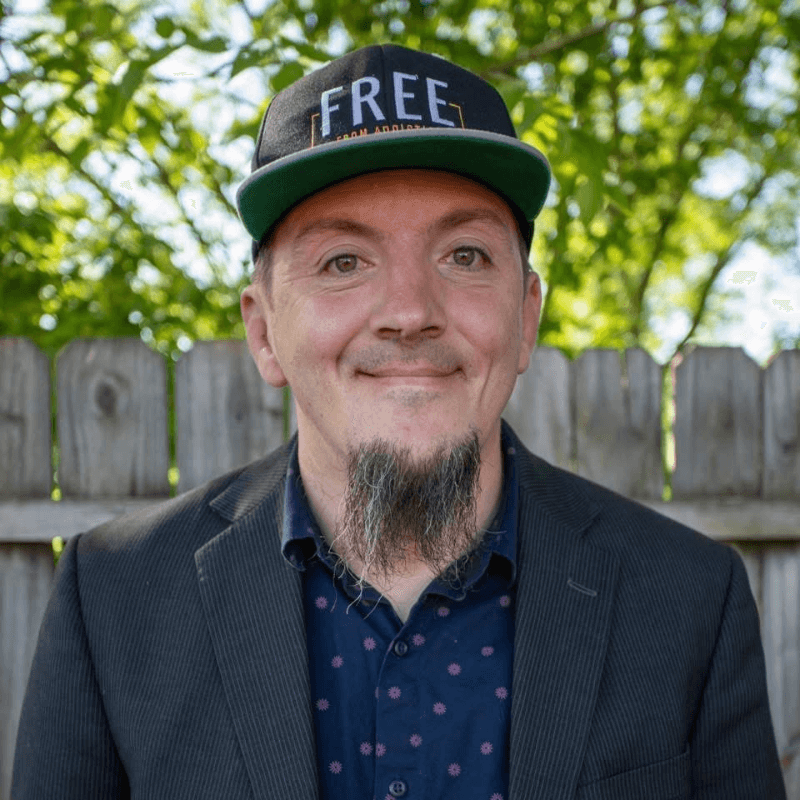
Justin Franich
April 8, 2026 · 11 min read

There is a new sedative in the fentanyl supply, and naloxone cannot fully reverse it.
It is called medetomidine. A veterinary tranquilizer that was never meant for human use. On April 2, 2026, the CDC and the White House Office of National Drug Control Policy issued a joint health advisory warning that medetomidine is now being mixed into illicit fentanyl, and that in recent federal data, almost every sample that tested positive for medetomidine also contained fentanyl. If you love someone in addiction, you need to know what this is, because the drug supply your loved one has been using just changed on them.
If you or someone you love is experiencing a drug overdose or severe withdrawal, call 911 immediately. This article is for informational and pastoral purposes and is not medical advice.
What Is Medetomidine?
Medetomidine is a sedative used by veterinarians to sedate dogs and other animals for procedures. It has never been approved for human use in the United States. Its cousin, dexmedetomidine, is used in hospitals for procedural sedation, but medetomidine itself has no approved human application.
It is in the same chemical family as xylazine, the sedative that started showing up in the fentanyl supply a few years ago. Both are what toxicologists call alpha-2 adrenergic agonists. According to a February 2025 bulletin from the University of Virginia's Division of Medical Toxicology, medetomidine is approximately 200 times more potent than xylazine.
The CDC lists three common street names for it: "rhino tranq," "mede," and "dex." Almost nobody is asking for medetomidine by name. Nobody is walking up to a dealer and ordering it. It is being added to fentanyl without the user's knowledge. According to CDC sentinel site data cited in the April 2 health advisory, approximately 98% of medetomidine-positive drug samples in the second half of 2025 also contained fentanyl.
When I was using in the early 2000s, if you bought meth, you got meth. You knew what was going into your body. That is not how the drug supply works anymore. What is out there now is something the people selling it cannot fully identify, and the people using it are downstream of chemistry decisions being made in labs they will never see.
Where It Is Showing Up
According to federal lab data cited in the CDC advisory, medetomidine detections have increased dramatically in a short period:
- 247 law enforcement lab reports in 2023
- 2,616 in 2024
- 8,233 in 2025
That is almost a tenfold increase from 2023 to 2024, followed by another 215% increase in 2025. The detections are concentrated in the eastern half of the country. The CDC reports that in 2025, 52% of medetomidine detections came from the Northeast, 31% from the Midwest, and 17% from the South.
Virginia is on the map. A DEA Overdose Response Strategy slide deck from late 2025 shows that in a four-state region including DC, Maryland, Pennsylvania, and Virginia, law enforcement labs identified 63 medetomidine-positive exhibits. That same deck describes medetomidine as "more prevalent on the East Coast."
Virginia's own medical community has been sounding this alarm for more than a year. UVA toxicologists published a medetomidine bulletin in February 2025, describing it as "increasingly being detected as an adulterant in drugs of abuse such as fentanyl and cocaine." That was more than twelve months before the federal advisory dropped.
In February and March of 2026, the Virginia General Assembly passed HB 1103. The bill cleared the House 97 to 0 and the Senate 40 to 0. It makes knowingly manufacturing, selling, or distributing medetomidine intended for human consumption a Class 5 felony in Virginia. The Virginia Department of Health is already distributing medetomidine test strips through local health departments and community service boards, alongside test strips for fentanyl and xylazine.
What Virginia does not have yet, at least not in any public statewide report I can find, is a death count attributed specifically to medetomidine. The absence of a statistic does not mean those deaths are not happening. It means the surveillance is still catching up to what is in the supply.
If someone you love is in addiction and you don't know what to pray anymore, grab our free guide: 5 Prayers for Families Still in the Fight.
No spam. Unsubscribe anytime.
Does Narcan Still Work?
The following is a summary of guidance from the CDC and medical toxicology sources. It is not medical advice. In any suspected overdose, call 911 immediately.
The short answer is yes, you should still give Narcan. Carry it, use it, and do not hesitate.
The CDC's April 2 advisory is explicit: because fentanyl is present in most medetomidine-involved overdoses, naloxone should be administered in any suspected overdose to restore normal breathing. The opioid part of the overdose is what naloxone is built for, and that part is still present.
Here is the complication. According to an MMWR report on a medetomidine overdose cluster in Chicago, "The effects of medetomidine cannot be reversed with naloxone." Naloxone addresses the opioid. It does not address the sedative. The UVA toxicology bulletin reports that in medetomidine-adulterated overdoses, naloxone may restore breathing, but sedation, slow heart rate, and low blood pressure can persist. Some patients have required intubation and medication to maintain blood pressure.
For a family member or friend in the room during an overdose: Give the Narcan. Call 911. Understand that even after the person starts breathing again, they may not wake up the way they would have with an older fentanyl supply. The 911 call matters more than ever, because a hospital may need to do things that cannot be done on a bathroom floor.
The CDC also warns about withdrawal. Medetomidine withdrawal can begin within hours of last use and peak at 18 to 36 hours after last exposure. Symptoms include severe high blood pressure, rapid heart rate, chest pain, tremor, and intractable nausea and vomiting. Some patients have required intensive care. This matters for families because withdrawal from this drug can look nothing like the withdrawals you have seen your loved one go through before. A person who seems to be "coming down hard" may be entering a medical emergency.
If someone is experiencing severe withdrawal symptoms, call 911.
For the Family Reading This
If you love someone in addiction, you have probably been carrying fear for a long time. Reading another article about a new drug in the supply does not make that fear smaller. I know.
The drug supply has changed. What your loved one was using last year is not necessarily what they are using this week. Same pills, same powder, same dealer, different chemistry. Their willpower did not fail. Your prayers did not fail. The chemistry changed.
The prayers you have been praying are still the right prayers. Keep praying them. But you may need to add a new one, which is that your loved one survives long enough for the older prayers to be answered. Survival has become a prayer of its own.
You are not overreacting. The danger just got more real. And God has not missed a single one of your prayers along the way. He is not tired of hearing from you. He never has been.
If you are not sure whether your loved one is using, we have a guide on the signs of drug abuse written for families like yours. If you know they are using and you are not sure what to do next, start with our complete family guide. And if you are ready to talk to someone now, reach out to us. We will pick up.
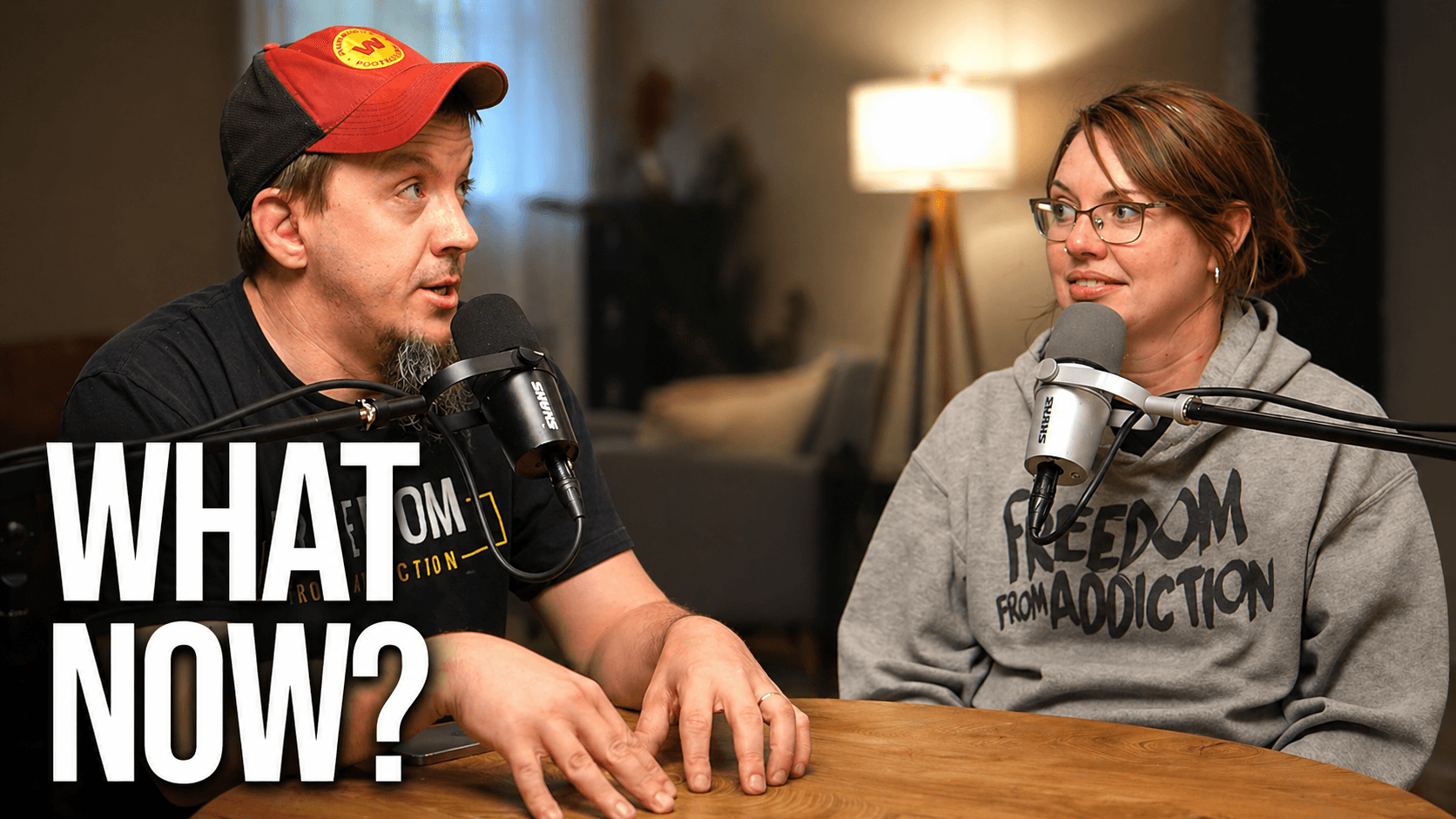
Hear more on the Rebuilding Life podcast: Helping a Loved One Through Addiction — Watch This First
What the Church Needs to Understand
This is for pastors, youth leaders, small group leaders, and anyone who has stood in front of a congregation and said we care about hurting people.
Someone in your church is either using, loves someone who is, or will be affected by what is in the drug supply in the next twelve months. I do not know which pew they are sitting in. But I know they are there. And the question for your ministry is not whether you will be ready when the phone rings at 11pm on a Tuesday. The question is what you will have known when it rang.
Scripture gives us a framework for this.
Proverbs 22:3 says, "A prudent man foresees evil and hides himself, but the simple pass on and are punished" (NKJV). This is a wisdom verse. The prudent see danger coming and they prepare. They do not spiritualize their way around it. They do not pretend it is not there. They face it with their eyes open, and the facing is part of the faith.
Hosea 4:6 says, "My people are destroyed for lack of knowledge" (NKJV). In context, the verse is about a spiritual leadership that stopped teaching the people what they needed to know. The destruction came from inside the covenant community. When the church does not talk about what is actually in the drug supply, we are participating in that same kind of failure. Silence feels safer than engagement, but silence costs lives.
And Jesus, sending His disciples into a hostile world, told them, "Be wise as serpents and harmless as doves" (Matthew 10:16, NKJV). Wisdom and gentleness together. Wisdom includes knowing what is actually happening in your community. Gentleness means carrying that knowledge with love instead of fear.
Practically, here is what wisdom looks like in this moment. Carry Narcan and train your people to use it. Understand that calling 911 is part of how faith shows up in a crisis. Build relationships with local recovery programs before you need them. Keep reading about what is happening in the drug supply, because what is true today may not be true six months from now. And have the quiet posture ready for the family that will eventually walk in and say, we did not know where else to come.
If you are thinking about how to build recovery support into your church, we wrote a guide on how to start a recovery ministry at your church. If you want a framework for talking about addiction from Scripture, our Bible verses for addiction page is the most comprehensive resource we have.
What You Can Do Right Now
- Learn the signs. The signs of drug abuse are worth knowing if you love someone in active addiction. Withdrawal from medetomidine can look different from what you have seen before.
- Carry Narcan and know how to use it. Narcan is available at most Virginia pharmacies without a prescription and free through the Virginia Department of Health and local health departments. It is still the first response. It may not be sufficient on its own in a medetomidine-involved overdose. Call 911 every time.
- Know your route to the nearest emergency room. Seconds matter.
- Have the honest conversation. The old "just say no" talk does not cover this. The new conversation is about a drug supply that is changing faster than any of us can track, and about the fact that every pill, every bag, every hit is being shaped by a chemist the user will never meet.
- If your loved one is using, do not wait. Our complete family guide walks you through what to do. If they are ready for help, get help today.
- Pray, and act on what you pray. Our article on praying for an addict you love was written for exactly this moment. Prayer and action were never meant to be separate.
- Share this article. The people who most need this information are the ones who have not heard it yet.
Hear more on the Rebuilding Life podcast: Breaking the Cycle — Mastering Relapse Prevention in Addiction Recovery
If You Are the One Using
The people writing articles about medetomidine are not writing them to scare you. They are writing them because the drug supply became something they could not predict anymore and they are trying to warn the people they cannot protect. I was that person once. The meth I bought did not have names I could not pronounce. What I survived is not what you are surviving now.
What you are using is not what you think it is. I am not lecturing you. The CDC confirmed it in April. And it matters because the person who loves you is scared, and they should be, and the old math of "I have survived this long" does not hold the way it used to.
Jesus is not done with you. I know how tired you are of hearing people say that. I am not saying it to make you feel better. I sat where you are sitting. The thing I was most sure of was that I was past saving. I was wrong about myself. You are wrong about yourself.
If you want to talk to someone, call or text us.
Hear more on the Rebuilding Life podcast: He Couldn't Fix His Meth Addiction — Here's How God Set Him Free
This article is for informational and pastoral purposes and is not medical advice. If you or a loved one is experiencing a drug overdose or severe withdrawal, call 911 immediately. For information on naloxone and overdose response in Virginia, visit vdh.virginia.gov or contact your local health department.
You’re not alone in this
If addiction has someone you love, talk to someone who’s been there.
The conversation is free and confidential. Justin & Rob answer the phone — both in recovery themselves.
One quiet email a week
New articles and podcast episodes when they drop. No pressure, no spam.
Justin Franich
Justin Franich is a former meth addict, Teen Challenge graduate, and pastor who has been clean since 2005. Today he's a husband, father, and Executive Director of Shenandoah Valley Adult Teen Challenge. He hosts the Rebuilding Life After Addiction podcast and helps families across the U.S. navigate faith-based recovery options, compare programs, and rebuild life after addiction.
Read my storyKeep going

Know a family who needs this? Send it to them.
Monthly partners
Articles like this stay free because partners keep them free.
No paywall, no ads — monthly partners cover the writing, the phone line, and the guidance behind every page, so the next family searching at 2 a.m. finds real help.
Become a monthly partner